
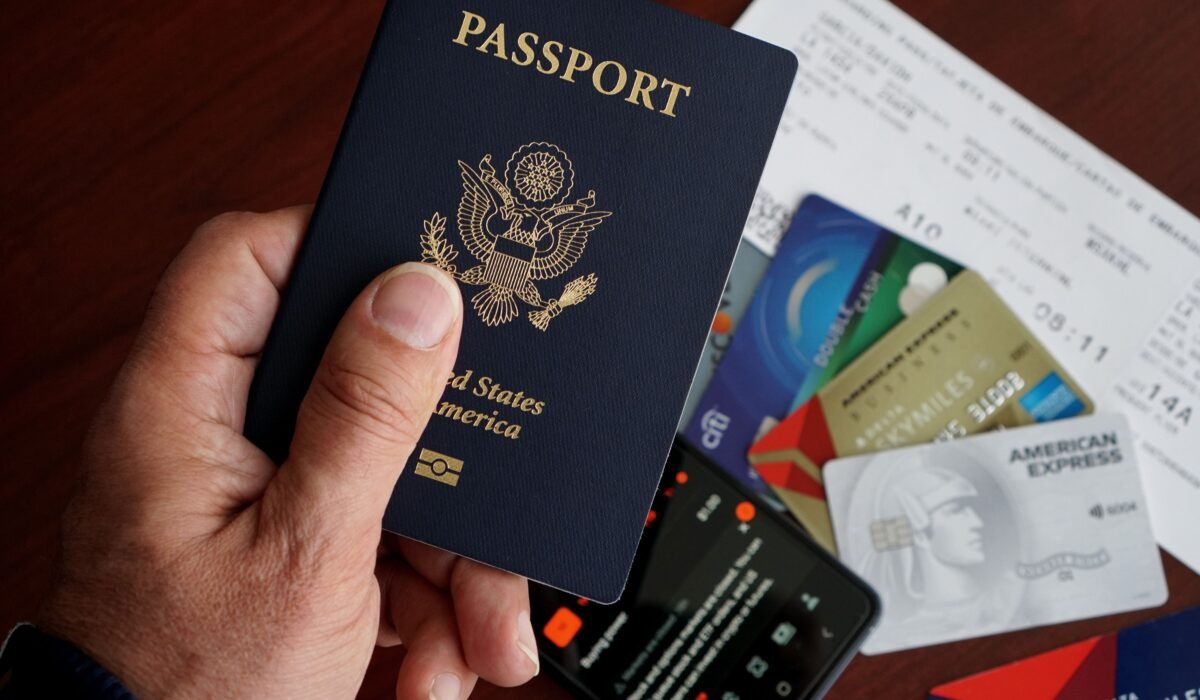
Embarking on your first journey by air can feel daunting, but with the right information, booking your flight can be a straightforward and even exciting experience. This comprehensive Flight reservation guide for beginners is designed to demystify the process, equipping you with the knowledge to book your next trip with confidence and ease.
Speak With A Flight Reservation Specialist
Need help with flight reservations, flight changes, cancellations, refund requests, missed flights, or last-minute bookings? Speak with a flight reservation specialist now.
- Flight Reservations
- Flight Changes
- Flight Cancellations
- Refund Assistance
- Last-Minute Bookings
- Travel Support
What to Know Before You Start Your Flight Reservation?
Before you dive into searching for flights, a little preparation goes a long way. Understanding your basic travel needs and gathering necessary information can streamline the entire booking process and prevent common mistakes. This initial planning is crucial for any first time flying guide.
Essential Documents & Information
Having your key details ready is the first step. You’ll need more than just your credit card to book a flight successfully.
- Valid Identification: For domestic flights, a government-issued ID (like a driver’s license) is usually sufficient. For international travel, you’ll absolutely need a valid passport. Ensure your passport has at least six months of validity remaining from your planned return date, as many countries require this.
- Travel Dates and Destination: Know your desired departure and return dates, and your destination airport. Being flexible with dates can often lead to cheap flights, but having a general idea is key.
- Passenger Information: You’ll need the full legal name, date of birth, and gender for every passenger exactly as it appears on their government ID. Any discrepancies can cause major issues at the airport.
- Payment Method: A credit or debit card is standard. Be aware of any foreign transaction fees if booking in a different currency.
Setting Your Budget & Travel Dates
Defining your budget and travel window helps narrow down your options significantly. This proactive approach saves time and prevents disappointment later.
- Establish a Realistic Budget: Factor in not just the flight cost, but also potential baggage fees, seat selection, and in-flight meals. A clear budget helps you decide between basic economy and more inclusive fare classes.
- Determine Your Travel Flexibility: Can you depart a day earlier or return a day later? As Katherine Cook, Director of Commercial Operations, Flights, noted, “Choosing to fly during the week is generally cheaper than at weekends. Tuesdays and Wednesdays are good for bargains.” Being flexible can unlock significant savings on your flight reservation.
- Consider Peak vs. Off-Peak Seasons: Traveling during off-peak times or shoulder seasons (just before or after peak) often results in lower airfares and fewer crowds.
Understanding Flexibility & Risk
It’s important to weigh the trade-offs between flexibility and cost, especially for beginners. The cheapest flights often come with the most restrictions.
Many airlines offer different fare types with varying degrees of flexibility. While a non-refundable ticket is usually cheaper, a refundable or changeable ticket provides peace of mind, though at a higher price. Understand the terms and conditions before you commit, particularly regarding flight changes or cancellations. This knowledge is fundamental for a smooth flight reservation experience.
Speak With A Flight Reservation Specialist
Need help with flight reservations, flight changes, cancellations, refund requests, missed flights, or last-minute bookings? Speak with a flight reservation specialist now.
- Flight Reservations
- Flight Changes
- Flight Cancellations
- Refund Assistance
- Last-Minute Bookings
- Travel Support
Step-by-Step Flight Reservation Guide for Beginners
Booking a flight doesn’t have to be complicated. This detailed flight reservation guide for beginners walks you through each stage, from initial search to final confirmation. We’ll break down the process into manageable steps, making it easy for you to follow along.
Step 1: Research Your Destination & Dates
Start by knowing where and when you want to go. This foundational step informs all subsequent searches.
- Choose Your Destination: Decide on your exact city or region.
- Select Travel Dates: Input your preferred departure and return dates. If you’re flexible, make a note of a few alternative dates to check.
- Consider One-Way vs. Round-Trip: Most leisure travelers book round-trip flights, but sometimes two one-way tickets on different airlines can be cheaper, especially for complex itineraries.
Step 2: Utilize Flight Search Engines
Flight search engines are your best friends for comparing prices across multiple airlines and online travel agencies (OTAs). They are essential tools for finding cheap flights.
- Start with Aggregators: Websites like Google Flights, Skyscanner, and Kayak are excellent starting points. They pull data from various sources, giving you a broad overview of prices. Google Flights, for instance, is great for research and price tracking.
- Use Filters Wisely: Filter by airline, number of stops, departure/arrival times, and price to narrow down your options.
- Set Price Alerts: Many platforms allow you to set alerts for specific routes, notifying you when prices drop. This is a crucial tip for booking cheap flights.
Step 3: Compare Options & Understand Layover Implications
Once you have a list of potential flights, it’s time to compare them beyond just the price tag.
- Direct vs. Connecting Flights: Direct flights are often more expensive but save time and reduce the risk of missed connections. Connecting flights can be cheaper but involve layovers, which can range from a quick hour to an overnight stay.
- Layover Duration: For connecting flights, ensure you have enough time between flights, especially if you need to change terminals or re-check baggage. A minimum of 2-3 hours for international connections is often recommended.
- Airline Reputation & Reviews: A slightly cheaper flight on an airline with poor service or reliability might not be worth the savings. Check recent reviews if you’re unfamiliar with an airline.
Step 4: Review Fare Details & Add-ons
This is where many beginners miss crucial details. The advertised price isn’t always the final price.
Before clicking “book,” meticulously review what’s included in your fare. This means understanding airline fare classes, baggage allowances, seat selection fees, and any other potential hidden fees. A “basic economy” ticket, for example, often restricts carry-on bags and doesn’t allow seat selection.
Step 5: Enter Passenger Information & Payment
Accuracy is paramount in this step. Double-check everything before proceeding.
Enter each passenger’s full name, date of birth, and gender exactly as they appear on their government-issued ID. Provide contact information (email and phone number) where you can receive booking confirmations and flight updates. Finally, input your payment details, ensuring the billing address matches the card on file.
Step 6: Confirm & Save Your Itinerary
After payment, you’ll receive a confirmation. This isn’t just a receipt; it’s your proof of purchase and contains vital information.
Immediately after booking, you should receive a confirmation email with your booking reference (PNR) and e-ticket number. Save this email, print a copy, or take a screenshot. You’ll need this information for online check-in, managing your reservation, and any communication with the airline. This completes the core flight reservation guide for beginners.
Choosing the Best Flight Booking Platforms and Tools
The landscape of flight booking platforms is vast, offering numerous options from direct airline websites to comprehensive online travel agencies. Knowing which tool to use for your specific needs is key to a successful flight reservation.
Flight Search Engines (Aggregators)
These platforms scour the web for flight prices from various airlines and OTAs, acting as a starting point for your research.
- Google Flights: Excellent for flexible date searches, price tracking, and visualizing flight paths. It’s often recommended for initial research due to its user-friendly interface and robust filtering options.
- Skyscanner: Ideal for budget travelers looking for inspiration with its “Explore everywhere” feature. It often finds deals for offbeat destinations.
- Kayak: A popular choice for a one-stop shop, comparing prices for flights, hotels, and rental cars. It offers enhanced filter options for specific needs.
- Momondo: Known for finding deals for less common routes and sometimes includes checked baggage fees in its initial results, giving a more accurate upfront cost.
Online Travel Agencies (OTAs)
OTAs act as intermediaries, allowing you to book flights, hotels, and car rentals in one place. While convenient, understand their role in customer service.
- Expedia: A major player, great for bundling flights with hotels or cars for potential savings.
- Booking.com: Primarily known for accommodations, but also offers competitive flight options, often with good customer support.
- Trip.com: Particularly strong for routes connected to Asia, offering a wide range of options in that region.
- Priceline: Famous for its “Name Your Own Price” feature (though less common now) and package deals.
While OTAs can offer good deals, keep in mind that if issues arise (delays, cancellations), you might need to go through the OTA’s customer service first, which can sometimes add a layer of complexity compared to direct airline booking. According to Phocuswright, online gross bookings are estimated to reach $1.0 trillion in 2024, with nearly 65% of global travel gross bookings expected to be made online by 2026, highlighting the dominance of these platforms.
Direct Airline Booking
Many experts recommend booking directly with the airline, especially for straightforward itineraries. This offers several advantages.
Booking directly with the airline (e.g., Delta, United, British Airways) can offer better customer service in case of issues, easier access to frequent flyer benefits, and direct communication regarding flight changes. It also often provides more flexibility with changes or refunds, as you’re dealing with the primary service provider. This is a key consideration in any flight reservation guide for beginners.
Specialized Tools & Apps
For those looking for extra advantages, specialized tools can provide deeper insights and savings.
- Hopper: A mobile app that predicts future flight prices and advises whether to book or wait. It claims to save users an average of $50 on domestic and $120 on international flights.
- FlightConnections: A visualizer tool that shows all possible routes and airlines between cities, great for complex planning.
- ITA Matrix: A powerful, advanced tool for complex itineraries and detailed filtering, often used by travel agents and seasoned travelers.
- ExpertFlyer: Helps with award availability alerts, upgrade options, and detailed seat maps, invaluable for frequent flyers.
Speak With A Flight Reservation Specialist
Need help with flight reservations, flight changes, cancellations, refund requests, missed flights, or last-minute bookings? Speak with a flight reservation specialist now.
- Flight Reservations
- Flight Changes
- Flight Cancellations
- Refund Assistance
- Last-Minute Bookings
- Travel Support
Understanding Fare Classes & Avoiding Hidden Fees
One of the most common pitfalls for beginner travelers is misunderstanding what’s included in their flight ticket. Many articles touch on “basic economy” but don’t deeply explain its implications. Our flight reservation guide for beginners aims to clarify these crucial details.
Deciphering Airline Fare Classes
Airlines use different fare classes to segment their pricing and offerings. Knowing the differences can save you money and headaches.
- Basic Economy: This is typically the cheapest fare. It often comes with significant restrictions, such as no advanced seat selection, strict carry-on limits (sometimes only a personal item), no changes or refunds, and boarding in the last group. For many, the low price isn’t worth the inflexibility.
- Main Cabin/Economy: This standard economy fare usually includes seat selection, a standard carry-on bag, and sometimes the option to make changes (often for a fee). It offers a balance between cost and convenience.
- Premium Economy: A step up, offering more legroom, wider seats, enhanced meal service, and priority boarding. It’s a good option for longer flights if you seek more comfort without the business class price tag.
- Business/First Class: The highest tiers offer lie-flat seats, gourmet meals, lounge access, and premium services. These are significantly more expensive but provide a luxurious travel experience.
Always read the fare rules carefully before booking. These rules dictate what you can and cannot do with your ticket, from baggage allowances to change policies. What most people miss is that even within “economy,” there are often several sub-classes with different rules and prices.
Uncovering Potential Hidden Fees
The base fare is rarely the final cost. Be vigilant for additional charges that can quickly add up.
- Baggage Fees: The most common hidden fee. Many airlines charge for checked bags, and some even charge for carry-on bags (especially basic economy fares). Check the airline’s website for specific dimensions and weight limits.
- Seat Selection Fees: Unless you’re in a higher fare class, you might have to pay extra to choose your seat. Otherwise, one will be assigned to you at check-in.
- Change/Cancellation Fees: If your plans change, modifying your ticket can incur hefty fees, sometimes more than the original ticket price. Understand the airline’s flight change policy and cancellation policy.
- Payment Processing Fees: Some booking platforms or airlines might add a small fee for using certain payment methods.
- In-Flight Services: Meals, snacks, drinks, blankets, and entertainment systems might not be complimentary on all flights, especially on budget carriers.
The key is to add up all potential costs before comparing flights. A slightly more expensive ticket that includes baggage and seat selection might be cheaper overall than a basic fare with numerous add-ons.
What Happens After Booking Your Flight?
The flight reservation process doesn’t end when you click “confirm.” Effective post-booking management ensures a smooth journey from your home to your destination. Many beginner guides overlook this crucial phase.
Post-Booking Management Essentials
Once your flight is booked, there are several steps you should take to manage your reservation and prepare for your trip.
- Verify Confirmation: Double-check your confirmation email for accuracy, especially names, dates, and flight numbers. Ensure you have your booking reference (PNR) and e-ticket number.
- Link to Airline App/Website: If you booked through an OTA, use your PNR to pull up your reservation on the airline’s official website or app. This allows you to manage your booking directly, select seats, add baggage, or check for updates.
- Review Baggage Policies: Reconfirm the exact baggage allowance for your specific fare class and route, including carry-on and personal item dimensions and weight limits. This helps you avoid unexpected fees at the airport.
- Consider Travel Insurance: For significant trips, travel insurance can protect you against unforeseen circumstances like cancellations, medical emergencies, or lost luggage.
Preparing for Your Flight
As your departure date approaches, a few final checks can make your travel day stress-free.
- Online Check-in: Most airlines allow online check-in 24-48 hours before departure. This saves time at the airport and is often required to get your boarding pass. If you’re not checking a bag, you can often go straight to security.
- Flight Status Monitoring: Use the airline’s app, website, or flight tracking apps to monitor your flight status in the days leading up to departure. Be aware of any potential delays or gate changes.
- Pack Smart: Adhere to TSA guidelines for liquids and prohibited items. Weigh your bags at home to avoid overweight baggage fees.
- Arrive Early: For domestic flights, aim for 2 hours before departure; for international flights, 3 hours is a good rule of thumb.
What to Do in Case of Flight Changes or Disruptions
Flight disruptions are an unfortunate reality of air travel. Knowing what to do can make a big difference.
- Minor Schedule Changes: Airlines often make minor adjustments to flight times. Check your email regularly for notifications. If a change is significant (e.g., more than an hour or two), you might be entitled to a free change or refund.
- Delays & Cancellations: If your flight is delayed or canceled, the airline is generally responsible for rebooking you on the next available flight. If you booked directly, contact the airline immediately. If you booked through an OTA, you might need to contact them first for assistance. Understand your passenger rights, which vary by region (e.g., EU261 in Europe).
- Missed Connections: If the airline caused you to miss a connection, they should rebook you. If you missed it due to your own delay, you’ll likely be responsible for new tickets. This is why adequate layover times are crucial.
The Travel Support Team regularly researches airline policies on cancellations and refunds to help travelers navigate these situations. Knowing your rights and the airline’s policies is crucial for effective post-booking management.
Navigating International Flight Reservations
International travel adds layers of complexity beyond domestic flights. For beginners, a specific focus on these details is essential to avoid unexpected hurdles. This section of our flight reservation guide for beginners addresses these unique challenges.
Passport & Visa Requirements
Your passport is your golden ticket, but it’s not always enough. Visa requirements vary greatly by destination and your nationality.
- Passport Validity: Most countries require your passport to be valid for at least six months beyond your intended departure date. Always check this well in advance. Renewing a passport can take weeks or months.
- Visa Requirements: Research whether your destination country requires a visa for your nationality. Websites for the embassy or consulate of your destination country are the most reliable sources. Some countries offer visa-on-arrival or electronic travel authorizations (ETAs) that must be obtained before travel.
- Transit Visas: Even if you’re just connecting through a country, you might need a transit visa. This is a common oversight, especially for certain nationalities or longer layovers. Always verify transit requirements.
The International Air Transport Association (IATA) provides a comprehensive database for travel document requirements, which airlines use to verify passengers. Checking this beforehand can save you from being denied boarding.
Customs, Immigration & Transit Considerations
Understanding airport procedures for international travel is vital for a smooth experience.
- Immigration Forms: You might need to complete arrival/departure cards or customs declarations. Some countries have electronic systems for this.
- Customs Declarations: Be honest about what you’re bringing into a country. There are limits on currency, alcohol, tobacco, and certain goods.
- Connecting Flights: If you have an international connection, you might need to clear immigration, collect your bags, clear customs, and then re-check them for your next flight. Always allow ample time for this process.
- Arrival Procedures: Be prepared for potentially long lines at immigration, especially at major international hubs. Have all your documents easily accessible.
Currency & Health Precautions
Beyond documents, consider the practicalities of being in a foreign country.
- Local Currency: Research the local currency and exchange rates. Inform your bank of your travel plans to avoid card freezes. Consider carrying some local currency for immediate expenses upon arrival.
- Health Advisories & Vaccinations: Check travel health advisories for your destination. Some countries require specific vaccinations, and it’s always wise to consult your doctor about recommended immunizations.
- Travel Adaptors: Don’t forget the right power adaptors for your electronics.
- Local Laws & Culture: Familiarize yourself with basic local laws and cultural norms to ensure respectful and safe travel.
Navigating international travel requires diligent planning, but with this guide, you’ll be