
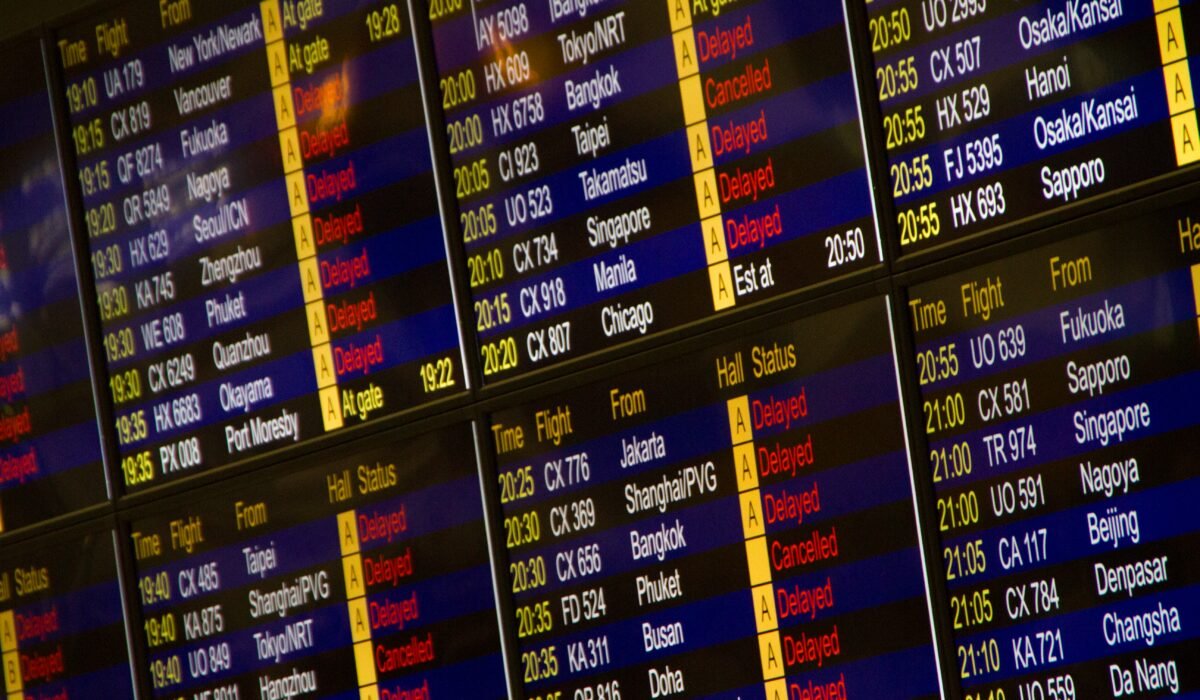
Have you ever faced the sudden dread of a canceled flight, leaving you scrambling for answers? Understanding your Flight Cancellation Policy Explained is crucial for any traveler, empowering you to navigate unexpected disruptions, protect your investment, and secure the refunds or rebookings you deserve. This comprehensive guide, informed by the latest U.S. Department of Transportation (DOT) regulations and airline-specific rules, will break down everything you need to know about your rights and options when plans go awry.
Speak With A Flight Reservation Specialist
Need help with flight reservations, flight changes, cancellations, refund requests, missed flights, or last-minute bookings? Speak with a flight reservation specialist now.
We can assist with:
- Flight Reservations
- Flight Changes
- Flight Cancellations
- Refund Assistance
- Last-Minute Bookings
- Travel Support
Understanding Your Flight Cancellation Policy: The Basics
Navigating the complexities of airline rules can feel like deciphering a foreign language, especially when it comes to cancellations. At its core, a flight cancellation policy dictates the terms under which you can cancel your flight, what fees you might incur, and whether you’re eligible for a refund or airline credit. These policies vary significantly based on the airline, the type of ticket you purchased, and the reason for cancellation.
The first step in understanding your options is always to review the specific fare rules of your ticket. For instance, a basic economy ticket will have far stricter cancellation terms than a flexible, refundable fare. Knowing these distinctions upfront can save you a lot of headache and potential financial loss later on. Many travelers overlook this crucial detail at the time of booking, leading to frustration when a cancellation becomes necessary.
US Flight Cancellation Laws: DOT Regulations & Your Rights
When it comes to your rights as a passenger in the United States, the U.S. Department of Transportation (DOT) sets the baseline for what airlines must provide. These federal regulations are designed to protect consumers, especially in situations where an airline cancels or significantly changes a flight. Understanding these DOT regulations is paramount to advocating for yourself effectively.
A significant development in passenger protection is the new DOT rule, effective October 28, 2024. This rule mandates automatic cash refunds for passengers if their flight is canceled or significantly changed and they do not accept alternative transportation or travel credits. U.S. Transportation Secretary Pete Buttigieg emphasized this, stating, “Passengers deserve to get their money back when an airline owes them – without headaches or haggling. Our new rule sets a new standard to require airlines to promptly provide cash refunds to their passengers.” This change strengthens consumer rights, particularly concerning DOT flight refund rules. Airlines for America (A4A), a major trade group, has voiced concerns that these new refund regulations could potentially reduce competition and drive up prices, highlighting the ongoing tension between consumer protection and airline operations.
The 24-Hour Rule: Canceling a Flight Without Penalty
One of the most valuable consumer protections under DOT regulations is the 24-hour rule, often referred to as the “24-hour flight cancellation rule.” This rule allows you to cancel a reservation and receive a full refund without penalty, provided you booked your flight directly with the airline at least seven days before the flight’s departure and cancel within 24 hours of purchase. This applies to all flights to or from the United States.
This rule acts as a grace period, giving you a day to review your travel plans, confirm details, or correct any booking errors without financial repercussions. It’s a common misconception that this rule applies to all bookings, but it specifically covers flights booked directly with the airline, not necessarily through third-party online travel agencies (OTAs). Always confirm if your specific booking is eligible for this crucial window of flexibility.
When You’re Entitled to a Full Refund for a Canceled Flight
Knowing when you are legally entitled to a full cash refund is key to navigating flight disruptions. The most straightforward scenario for a full refund is when the airline cancels your flight. If the airline cancels your flight, you are entitled to a refund, even if you bought a non-refundable ticket, provided you choose not to accept alternative transportation or a travel credit. This is a fundamental aspect of passenger rights.
Beyond outright cancellations, the DOT also mandates refunds for “significantly changed” flights. The new DOT rule (effective October 28, 2024) provides clearer definitions for what constitutes a significant change:
- Departure or Arrival Time Changes: A change of three hours or more for domestic flights, or six hours or more for international flights.
- Departure or Arrival Airport Changes: Changing the departure or arrival airport.
- Number of Connections: An increase in the number of connections in your itinerary.
- Aircraft Downgrade: A downgrade in the class of service (e.g., from first class to economy).
- Specific Dates: Changes to the operating airline or connecting airport that significantly alter your travel experience.
If your flight experiences such a significant change and you choose not to accept the airline’s proposed alternative, you are entitled to a full cash refund. This helps travelers understand how to get cash refund for canceled flight scenarios beyond just outright cancellations.
Navigating Non-Refundable Tickets and Refund Processing Times
The phrase “non-refundable ticket” can strike fear into the heart of any traveler, but it doesn’t always mean you’re completely out of luck. While you won’t get your money back if you voluntarily cancel a non-refundable ticket, there are often alternatives. Many airlines will issue an airline credit or e-credit for the value of your ticket, minus any applicable change fees. This credit can then be used for future travel with that airline, though it’s crucial to be aware of the airline credit expiration policy, as these credits typically have a validity period.
For basic economy fares, the rules are usually even stricter, with some airlines offering no credit or refund at all for voluntary cancellations. This is a common source of consumer complaints and why understanding the non-refundable flight cancellation policy for your specific fare type is so important. When an airline *does* owe you a refund, the new DOT rule sets clear timeframes: airlines must process refunds within 7 business days for credit card payments and 20 calendar days for other payment methods. This addresses the common “how long does it take for an airline to refund a cancelled flight?” question directly.
Speak With A Flight Reservation Specialist
Need help with flight reservations, flight changes, cancellations, refund requests, missed flights, or last-minute bookings? Speak with a flight reservation specialist now.
We can assist with:
- Flight Reservations
- Flight Changes
- Flight Cancellations
- Refund Assistance
- Last-Minute Bookings
- Travel Support
Airline-Specific Flight Cancellation Policies: Major Carriers Compared
While DOT regulations provide a safety net, individual airlines often have their own unique twists on cancellation policies, especially for voluntary cancellations. Understanding these nuances can significantly impact your travel plans and potential refunds. The overall Flight Cancellation Policy Explained varies widely, making direct comparisons essential.
Here’s a look at how some major U.S. carriers handle cancellations:
- Southwest Airlines: Renowned for its flexibility, Southwest generally allows free cancellations up to 10 minutes before departure for all fare types. Funds are typically issued as a credit that does not expire, a significant advantage for travelers.
- Delta, United, and American Airlines: These carriers often have stricter policies, particularly for “basic economy” fares. While standard economy tickets might allow changes or cancellations for a fee, basic economy fares are frequently non-changeable and non-refundable, offering little to no value back if voluntarily canceled.
- Alaska Airlines: For Saver fares purchased on or after July 19, 2023, Alaska Airlines offers a 50% credit of the ticket value if canceled at least 14 days prior to departure. This illustrates how specific fare types can have unique, evolving rules.
- Frontier Airlines: Known for its low-cost model, Frontier often charges specific fees for cancellations. For example, a $75 fee for canceling a reservation booked with miles and $99 for canceling a paid reservation, showcasing that fees can be substantial.
These examples highlight the importance of reading the fine print for your specific airline and fare class. For instance, if you need to know how to cancel Delta flight and get a full refund, it will depend heavily on the reason for cancellation and your fare type.
Third-Party Bookings: How OTAs Affect Your Cancellation Rights
Booking through an Online Travel Agency (OTA) like Expedia, Priceline, or a traditional travel agent can sometimes complicate your cancellation rights. While DOT regulations generally apply to the operating carrier, OTAs often have their own terms and conditions that can supersede or add layers to the airline’s policy. This is a critical area where many travelers encounter unexpected hurdles.
The 24-hour rule, for example, might not directly apply when you book through a third party. While some OTAs voluntarily offer a similar grace period, they are not legally required to do so under the same DOT mandate. If you need to cancel a flight booked through an OTA, your first point of contact should always be the agency itself, not the airline. They will typically handle the cancellation process, which might involve additional fees or different refund timelines than if you had booked directly. Always review the third-party bookings terms and conditions carefully before finalizing your purchase to understand how cancellations and refunds are processed.
Proactive Steps to Protect Your Travel & Avoid the “No-Show” Clause
Being proactive is your best defense against the financial and logistical headaches of flight cancellations. As a Travel Support Team expert, I always advise travelers to take steps *before* booking to safeguard their trips. This approach empowers you, the passenger, to navigate potential disruptions with greater confidence and fewer surprises.
Here are key proactive steps:
- Understand Fare Types: Always know what you’re buying. A cheaper basic economy ticket might save money upfront but offers minimal flexibility. If flexibility is important, consider slightly higher fare classes.
- Consider Travel Insurance: For significant trips, travel insurance flight cancellation coverage can be a lifesaver, covering non-refundable costs for unforeseen circumstances like illness, family emergencies, or even weather-related delays that aren’t covered by airline policies.
- Book Directly When Possible: Booking directly with the airline can simplify the cancellation and refund process, ensuring you’re dealing with one entity and often making the