
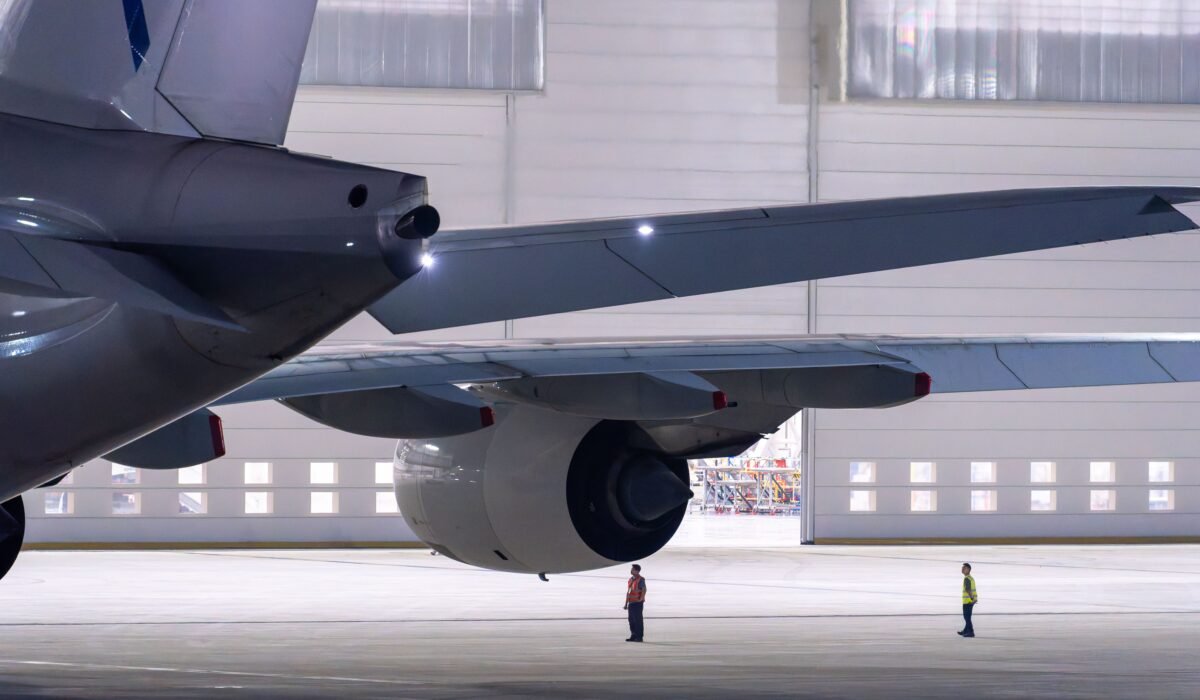
When you’re planning your next journey, a common concern that often arises is understanding the USA airline safety ratings to ensure a secure and worry-free flight. It’s natural to prioritize your well-being and seek out the most reliable carriers, especially with so much information available today. This comprehensive guide from our Travel Support Team will break down how airline safety is evaluated, what factors truly matter, and how you can confidently choose the safest flights for your travels.
Speak With A Flight Reservation Specialist
Need help with flight reservations, flight changes, cancellations, refund requests, missed flights, or last-minute bookings? Speak with a flight reservation specialist now.
- Flight Reservations
- Flight Changes
- Flight Cancellations
- Refund Assistance
- Last-Minute Bookings
- Travel Support
Is Flying Really Safe? Understanding Overall Aviation Safety
It’s a question many travelers ask, especially after hearing news about aviation incidents: is flying really safe? The short answer, backed by overwhelming data, is yes. Despite the high-profile nature of aviation events, commercial flight safety remains the safest mode of transportation globally. Experts consistently confirm this, providing reassurance to anxious passengers.
According to Sean Duffy, the Transportation Secretary, “We have the safest skies in the whole world. Traveling by air is the safest mode of transportation.” Jennifer Homendy, Chair of the National Transportation Safety Board (NTSB), echoes this sentiment, stating, “I assure you that the safest mode of transportation is air travel. It is incredibly safe.” These statements highlight the robust systems in place to protect passengers.
Examining the Latest Airline Safety Statistics
When you look at the raw numbers, the picture of aviation safety becomes even clearer. Preliminary estimates for 2024 show a slight decrease in total accidents involving U.S. registered civilian aircraft, with 1,201 incidents compared to 1,216 in 2023. More importantly, civil aviation deaths also decreased from 327 in 2023 to 321 in 2024.
Crucially, **none of these deaths involved a commercial scheduled airline in 2024**. This is a powerful testament to the rigorous safety standards governing major carriers. Major U.S. airlines experienced a fatal accident rate of 0.0 per 100,000 flight hours in 2024, with no onboard fatalities.
Globally, the International Air Transport Association (IATA) reported 51 accidents among 38.7 million flights in 2025, which is fewer than the 54 accidents in 2024. While there was a slight increase in fatal accidents and onboard fatalities globally in 2025 compared to 2024, the overall trend for fatal accident risk has significantly improved. The five-year rolling average rate for fatal accidents now stands at one fatal accident for every 5.6 million flights (2021-2025), a substantial improvement from one for every 3.5 million flights (2012-2016). These airline safety statistics underscore the continuous efforts to enhance security in the skies.
How Are USA Airline Safety Ratings Determined?
Understanding how USA airline safety ratings are determined can help you make more informed choices about your flights. It’s not just about a single incident or a feeling; a complex methodology involving multiple factors contributes to these crucial assessments. Various organizations and regulatory bodies play a significant role in evaluating and ranking airlines.
The Role of Regulatory Bodies and Industry Standards
At the heart of airline safety in the U.S. are the Federal Aviation Administration (FAA) and the National Transportation Safety Board (NTSB). The **FAA regulations** are the bedrock of aviation safety, setting strict operational, maintenance, and training standards for all U.S. airlines. They conduct regular audits and inspections to ensure compliance. The NTSB, on the other hand, investigates every civil aviation accident in the U.S., identifying probable causes and issuing safety recommendations to prevent future incidents.
Internationally, the International Air Transport Association (IATA) also plays a vital role in setting global operational safety standards through its IATA Operational Safety Audit (IOSA) program. Many airlines voluntarily undergo IOSA audits, which cover over 1,000 parameters to ensure rigorous safety management.
Key Metrics and Methodologies for Airline Safety Ratings
When agencies and websites publish USA airline safety ratings, they typically consider a range of metrics to develop their scores. These often include:
- Incident History: This involves analyzing past accidents, serious incidents, and minor operational disruptions. A clean record over an extended period significantly boosts an airline’s rating.
- Government Audits: Compliance with FAA regulations and other national aviation authority standards is critical. Airlines that consistently pass these audits without significant findings demonstrate strong adherence to safety protocols.
- Fleet Age and Maintenance: While fleet age isn’t the sole determinant of safety, diligent maintenance programs are paramount. Rating systems often look at how well an airline maintains its aircraft, regardless of how old they are.
- Pilot Training and Operational Procedures: The quality of pilot training, adherence to standard operating procedures, and crew resource management are all vital aspects. Airlines with robust training programs tend to score higher.
- Safety Management Systems (SMS) Implementation: A proactive approach to safety, where airlines identify and mitigate risks before they lead to incidents, is increasingly important. We’ll delve deeper into SMS shortly.
- COVID-19 Compliance: In recent years, measures taken to ensure passenger and crew health during pandemics have also factored into some safety assessments.
These factors collectively form the basis for how airline safety is rated, providing a comprehensive view beyond just accident statistics.
Speak With A Flight Reservation Specialist
Need help with flight reservations, flight changes, cancellations, refund requests, missed flights, or last-minute bookings? Speak with a flight reservation specialist now.
- Flight Reservations
- Flight Changes
- Flight Cancellations
- Refund Assistance
- Last-Minute Bookings
- Travel Support
The Safest US Airlines: Top Rankings for 2024-2025
When you’re looking to choose a secure flight, knowing which airlines consistently rank high in safety is incredibly helpful. Several reputable organizations publish rankings for the safest US airlines, providing valuable insights for travelers. It’s important to remember that these rankings often consider various methodologies, so minor differences can occur between lists.
Leading Airlines with Exceptional Safety Records
Based on recent evaluations, several U.S. carriers are frequently cited for their strong commitment to safety. These airlines typically demonstrate excellent operational procedures, robust maintenance, and a proactive approach to risk management. Here’s a look at some of the findings:
* **AirlineRatings.com:** This independent aviation website is a prominent source for safety ratings, using a 7-star system. While they often focus on global top 25, their detailed assessments apply to U.S. carriers. Sharon Petersen, Airline Ratings CEO, noted in the 2026 report that “What stands out this year is how little separates the leaders. Less than four points covered positions one through 14, and at the very top the margins were even tighter.” This suggests that many top airlines, including major U.S. carriers, operate at an incredibly high safety standard.
* **AirAdvisor Rating (2025):** AirAdvisor’s Airline Safety Score for 2025 identified **Allegiant, American, Frontier, Hawaiian, JetBlue, Southwest, and Spirit Airlines** as safest. This ranking was based on IATA data for accident-free records in 2023 and 2024, focusing on recent performance.
* **WalletHub Study (2026):** A comprehensive WalletHub study that analyzed nine major U.S. airlines and two regional carriers across safety, affordability, pet-friendliness, comfort, and reliability, ranked **Frontier Airlines as the safest U.S. airline in 2026**. Following closely were Spirit, SkyWest, Southwest, and Alaska Airlines. This study provides a broader perspective beyond just safety metrics.
It’s clear that while the specific order might shift slightly between reports, many of the most reliable airlines USA consistently appear at the top of these lists. This indicates their sustained commitment to robust safety protocols and continuous improvement.
Why These Airlines Stand Out
These top-ranked airlines often share common traits that contribute to their excellent safety records:
- Rigorous FAA Compliance: They consistently meet or exceed the stringent FAA regulations, undergoing regular inspections and audits with positive results.
- Proactive Safety Culture: These airlines foster a culture where safety is prioritized at every level, from top management to ground crew.
- Investment in Training and Technology: They invest heavily in advanced pilot training, ongoing crew education, and cutting-edge aviation technology to enhance operational safety.
- Comprehensive Maintenance Programs: Regardless of fleet age, these carriers maintain meticulous maintenance schedules, ensuring aircraft are always in optimal condition.
When you’re evaluating USA airline safety ratings, looking for carriers that consistently demonstrate these qualities can help guide your choices.
Beyond the Stars: Interpreting Airline Safety Scores & What They Mean
Understanding the nuances of various rating systems is key to truly grasping what USA airline safety ratings signify. It’s not enough to just see a star rating; knowing the methodology behind it helps you interpret the scores accurately and avoid misinterpretations. Different agencies use different criteria, leading to variations in their published results.
Decoding Different Rating Systems (e.g., AirlineRatings.com vs. AirAdvisor)
Let’s consider two prominent examples:
* **AirlineRatings.com’s 7-Star System:** This widely recognized system evaluates 385-400 airlines annually. It’s comprehensive, factoring in:
* Whether the airline has FAA endorsement or equivalent.
* Incident history over a specific period.
* Results from government audits (e.g., ICAO compliance).
* Profitability and financial stability (as this can impact maintenance budgets).
* Fleet age.
* COVID-19 compliance.
A 7-star rating here indicates an airline has met all the most stringent criteria. What most people miss is that even a 5-star rating from AirlineRatings.com still denotes an incredibly safe airline. As Sharon Petersen noted, “All airlines in the Top 25 are world leaders in aviation safety, and claims that one is significantly safer or less safe than another are both sensationalist and false.”
* **AirAdvisor’s Airline Safety Score:** AirAdvisor’s approach, as seen in their 2025 report, tends to focus more directly on recent accident-free records, often leveraging IATA data. While valuable for showing current performance, it might not delve as deeply into the underlying safety management systems or audit compliance as a multi-factor system like AirlineRatings.com.
The key takeaway here is that you should consider the methodology. A system that accounts for a wider array of factors, from incident history to government audits and internal safety culture, often provides a more holistic view of an airline’s long-term commitment to safety.
The Nuances of Data and Avoiding Misinterpretation
It’s easy to jump to conclusions when you see an incident reported in the news, but it’s crucial to put it into perspective. For example, the **Alaska Airlines Door Plug Incident in January 2024** was a serious event. While investigators found no fatalities, it understandably raised public concern. However, Alaska Airlines responded quickly with inspections and transparent reporting, demonstrating effective incident response. This type of incident, while serious, doesn’t automatically mean an airline is unsafe overall, especially if it’s an isolated event and the airline shows strong corrective action.
Similarly, the **United Boeing 737 Rudder Control Anomaly in February 2024** led the NTSB to issue “urgent safety recommendations.” These events highlight the continuous vigilance required in aviation, but also the effectiveness of systems like the NTSB in identifying issues and pushing for improvements. The fact that these issues are investigated and lead to recommendations is a sign that the system is working to enhance safety.
When evaluating USA airline safety ratings, remember that minor incidents or isolated mechanical issues, while undesirable, are often caught and addressed by robust safety systems. The focus should be on an airline’s overall trend, its adherence to FAA regulations, and its proactive safety management.
Speak With A Flight Reservation Specialist
Need help with flight reservations, flight changes, cancellations, refund requests, missed flights, or last-minute bookings? Speak with a flight reservation specialist now.
- Flight Reservations
- Flight Changes
- Flight Cancellations
- Refund Assistance
- Last-Minute Bookings
- Travel Support
Safety Management Systems (SMS): The Backbone of Airline Security
Beyond regulations and incident reports, one of the most significant advancements in aviation safety is the widespread adoption of Safety Management Systems (SMS). These systems represent a fundamental shift from reactive safety measures to a proactive, comprehensive approach to airline security. Understanding SMS helps you appreciate the depth of commitment airlines have to your safety.
What is SMS and Why is it Critical?
A Safety Management System (SMS) is a systematic, explicit, and comprehensive approach to managing safety, including the necessary organizational structures, accountabilities, policies, and procedures. It’s essentially an airline’s internal framework for identifying hazards, assessing risks, and continuously improving its safety performance.
The critical aspect of SMS is its proactive nature. Instead of waiting for an accident to happen and then investigating, SMS encourages airlines to:
- Identify Hazards: Systematically look for potential dangers in all operations, from maintenance to ground handling and flight operations.
- Assess and Mitigate Risks: Evaluate the likelihood and severity of identified hazards and implement controls to reduce risks to an acceptable level.
- Assure Safety Performance: Continuously monitor and measure safety performance against established goals.
- Promote Safety: Foster a positive safety culture where all employees are encouraged to report hazards and contribute to safety improvements without fear of reprisal.
This continuous feedback loop is what makes SMS such a powerful tool in enhancing commercial flight safety.
FAA Oversight and Implementation in the US
The FAA plays a crucial role in mandating and overseeing SMS implementation among U.S. operators. They have progressively required airlines to adopt these systems, recognizing their effectiveness. The good news is that SMS implementation is on the rise. The FAA cited an increase in SMS implementations among U.S. operators from 38% in 2023 to **65% in 2024**. This indicates a strong push towards more effective oversight and a deeper commitment from airlines to proactive safety management.
When you see strong USA airline safety ratings, it’s often a reflection of a well-implemented and actively managed Safety Management System. These systems are constantly evolving, integrating lessons learned from NTSB investigations and global aviation safety data to ensure that every flight is as secure as possible. The presence of a robust SMS is a strong indicator of an airline’s genuine dedication to passenger safety.
Fleet Age vs. Maintenance: Unpacking the Real Safety Factors
One common misconception when discussing USA airline safety ratings is that older aircraft are inherently less safe. While fleet age can be a factor, it’s far from the sole determinant of an airline’s safety record. The real safety factors lie in the rigor of an airline’s maintenance programs and its adherence to strict operational protocols.
Why Age Isn’t Just a Number in Aviation
It’s true that older aircraft might require more frequent inspections and maintenance. Components can wear out, and technologies can become outdated. However, modern aircraft are built to last for decades, and their lifespan is determined more by flight cycles (takeoffs and landings) and flight hours than by calendar age.
The perception that low cost airlines are less safe because they sometimes operate older fleets is often unfounded. As Dan Bubb, a UNLV professor and airline historian, assures anxious passengers, commercial flying remains the safest way to travel. He notes the significant improvement in accident rates over the years. The key isn’t necessarily the age of the plane, but how it’s cared for.
The Paramount Importance of Rigorous Maintenance Programs
This brings us to the most critical factor: maintenance. An older aircraft with a meticulously maintained service history, regular upgrades, and stringent inspection protocols can be just as safe, if not safer, than a newer aircraft that lacks proper care. The FAA mandates incredibly strict maintenance schedules and oversight for all U.S. commercial aircraft, regardless of their age.
Airlines with top USA airline safety ratings invest heavily in:
- Preventative Maintenance: Regularly scheduled checks, part replacements, and overhauls designed to prevent failures before they occur.
- Advanced Diagnostics: Utilizing sophisticated tools and sensors to monitor aircraft health in real-time and predict potential issues.
- Highly Trained Technicians: Employing skilled and certified engineers and mechanics who adhere to strict FAA guidelines and manufacturer specifications.
- Quality Control and Audits: Internal and external audits to ensure maintenance procedures are followed precisely and effectively.
Consider the Alaska Airlines door plug incident from January 2024. This was not related to fleet age but rather a manufacturing defect and quality control issue. This highlights that even new aircraft can present challenges, and the airline’s response, inspection protocols, and collaboration with regulators are what truly define its safety commitment. It reinforces that **robust maintenance and vigilant oversight are paramount**, far outweighing fleet age alone in determining an airline’s safety profile.
Speak With A Flight Reservation Specialist
Need help with flight reservations, flight changes, cancellations, refund requests, missed flights, or last-minute bookings? Speak with a flight reservation specialist now.
- Flight Reservations
- Flight Changes
- Flight Cancellations
- Refund Assistance
- Last-Minute Bookings
- Travel Support
Your Role in Flight Safety: Tips for a Secure Journey
While airlines and regulators bear the primary responsibility for maintaining high USA airline safety ratings, you, as a passenger, also have a role to play in ensuring a secure and smooth journey. Your awareness and adherence to simple guidelines can contribute to overall air travel security and your personal well-being.
Before You Fly: Smart Choices and Preparation
Making smart choices before you even get to the airport can significantly enhance your travel experience and safety.
- Choose Reputable Airlines: While all U.S. commercial airlines operate under strict FAA oversight, opting for carriers with consistently high USA airline safety ratings, as discussed earlier, can add an extra layer of confidence.
- Stay Informed: Keep an eye on travel advisories and any airline-specific announcements related to your flight.
- Pack Smart: Adhere to baggage restrictions, especially concerning hazardous materials. This prevents potential issues during security screening and onboard. If you need help with baggage fees, check out our guide on USA Airline Baggage Fees: Avoid Overpaying.
- Review Emergency Procedures: Familiarize yourself with the safety card in your seat pocket. Knowing where emergency exits are located and how to operate them is crucial in rare incidents.
These proactive steps ensure you’re well-prepared for your flight.
During Your Flight: Listen, Observe, and Cooperate
Once you’re onboard, your actions can directly impact your safety and the safety of those around you.
- Listen to the Crew: This is paramount. Flight attendants are highly trained in safety and emergency procedures. Their instructions during pre-flight briefings and throughout the flight are not suggestions, but critical commands designed to keep everyone safe.
- Pay Attention to Safety Demonstrations: Even if you’ve flown a hundred times, each aircraft type can have slightly different procedures. Knowing the location of emergency exits, how to use oxygen masks, and how to don a life vest can save lives.
- Keep Seatbelt Fastened: Maintain your seatbelt fastened whenever you are seated, even if the seatbelt sign is off. Unexpected turbulence can occur without warning.
- Report Concerns: If you observe anything unusual or concerning, discreetly inform a flight attendant. They are trained to assess situations and take appropriate action.
- During an Evacuation: In the extremely rare event of an evacuation, leave your bags behind. Your life and the lives of others are far more valuable than your possessions. Blocking the aisle or slowing down an evacuation to retrieve luggage can have severe consequences.
Your cooperation with the flight crew is a significant component of maintaining a secure environment for everyone onboard. The airline’s safety management systems are designed to handle contingencies, but passenger cooperation is essential for their effectiveness.
Frequently Asked Questions
Which US airlines are the safest in 2024?
Based on recent data, several US airlines consistently rank among the safest. Reports from AirAdvisor and WalletHub for 2025-2026 indicate airlines like Allegiant, American, Frontier, Hawaiian, JetBlue, Southwest, Spirit, SkyWest, and Alaska Airlines are considered very safe. These rankings are often based on accident-free records, adherence to FAA regulations, and robust safety management systems.
How are airline safety ratings determined?
Airline safety ratings are determined by a comprehensive evaluation of various factors, including incident and accident history, compliance with FAA regulations and international standards (like IATA’s IOSA), the quality of an airline’s Safety Management System (SMS), and the rigor of its maintenance programs. Organizations like AirlineRatings.com use multi-star systems, while others might focus on accident-free flight hours.
Is flying really safe?
Yes, flying is statistically one of the safest modes of transportation available. Experts like NTSB Chair Jennifer Homendy and Transportation Secretary Sean Duffy consistently affirm the exceptional safety of air travel. Commercial scheduled airlines in the U.S. had a fatal accident rate of 0.0 per 100,000 flight hours in 2024, with no onboard fatalities, underscoring its remarkable safety record.
What is the safest airline to fly right now?
While specific rankings can vary slightly between rating agencies, many major US airlines maintain exceptionally high safety standards. Rather than focusing on a single “safest” airline, it’s more accurate to recognize that all FAA-certified commercial airlines in the U.S. operate under stringent safety protocols. Look for airlines with consistent high ratings from reputable sources like AirlineRatings.com, which often place many top carriers within a very narrow safety margin.
Speak With A Flight Reservation Specialist
Need help with flight reservations, flight changes, cancellations, refund requests, missed flights,