
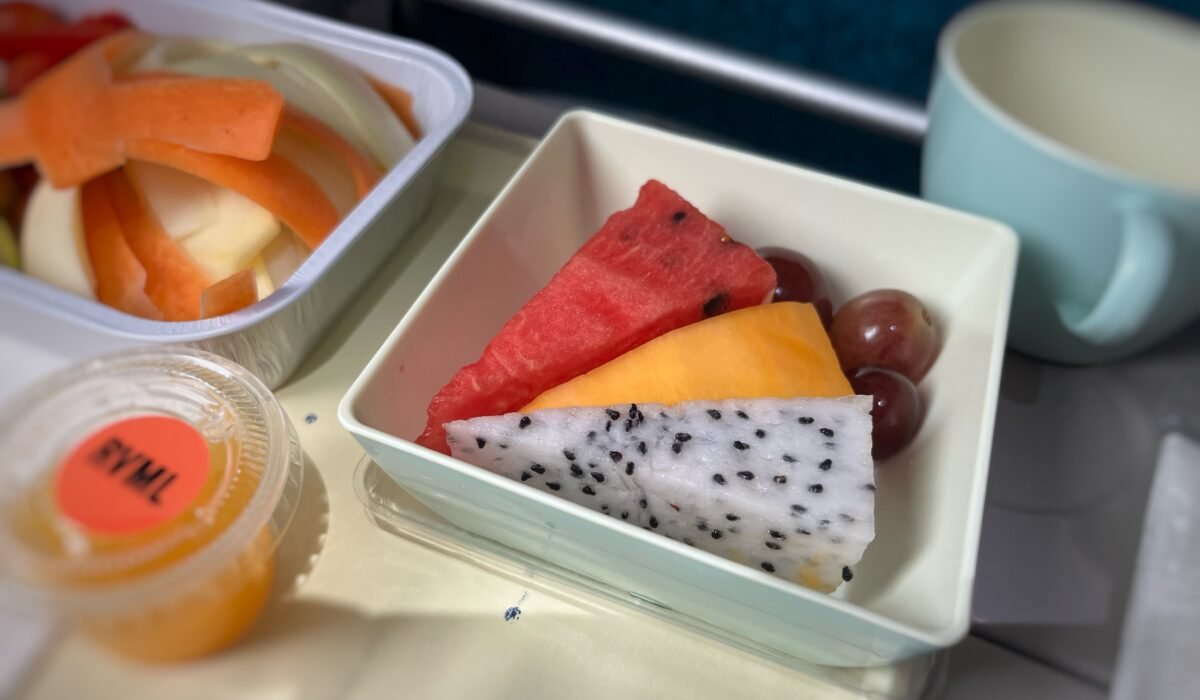
Planning your next trip across the country or abroad means considering every detail, and this comprehensive USA Airline Meals Guide is here to clarify your in-flight dining options, costs, and how to manage specific dietary needs effectively. Navigating the world of airline food can be confusing, with policies varying widely between carriers and cabin classes, but understanding these nuances will ensure a more comfortable journey.
Speak With A Flight Reservation Specialist
Need help with flight reservations, flight changes, cancellations, refund requests, missed flights, or last-minute bookings? Speak with a flight reservation specialist now.
📞 Call Now: +1 (844) 833-2075
- Flight Reservations
- Flight Changes
- Flight Cancellations
- Refund Assistance
- Last-Minute Bookings
- Travel Support
Do US Airlines Still Offer Free Meals & Snacks?
Many travelers wonder about the current state of complimentary dining, and this segment of our USA Airline Meals Guide will answer whether you can expect free provisions on your next flight. The short answer is: it depends heavily on your cabin class, flight duration, and the specific airline you choose. While the golden age of free, hot meals in economy class on domestic flights has largely passed, some airlines still offer thoughtful complimentary snacks and beverages.
For most domestic economy class meals, you’ll find that free offerings are limited to non-alcoholic beverages and small snacks. For instance, American Airlines and United Airlines typically provide complimentary snacks like Biscoff cookies or pretzels on flights exceeding certain mileage thresholds, such as 250 miles for American and 300 miles for United. Delta Air Lines, however, consistently ranks high for its economy snacks, offering a wider variety including Cheez-Its and MadeGood Granola Bars, according to a 2026 survey by point.me.
However, if you’re flying in premium cabins like First Class or Delta One, or on longer routes such as transcontinental flights (e.g., JFK to LAX) and international journeys, complimentary hot meals are generally standard. American Airlines, for example, offers hot meal service in First Class on flights over 900 miles during meal times, and provides full complimentary meals in all cabins on their Flagship Transcontinental and Flagship Hawaii routes. Hawaiian Airlines, which was the last US airline to offer free meals in economy on domestic flights to the mainland, is ending this service on July 1, 2026, shifting to a prepaid model instead.
JetBlue, historically known for a solid inflight dining experience even in economy, made headlines in October 2024 by axing hot meals for economy passengers on transatlantic flights, opting for chilled items to cut costs. This trend highlights the dynamic nature of the in-flight catering market, where airlines constantly adjust their offerings based on operational costs and passenger feedback. So, while a full, free meal might be rare in domestic economy, a thoughtful snack and drink are often still part of the experience.
Understanding USA Airline Meal Costs: Buy-on-Board & Paid Options
When it comes to the cost of your in-flight dining, this USA Airline Meals Guide breaks down what you can expect to pay for buy-on-board and pre-ordered options across major carriers. As complimentary meals have become less common in economy class, the buy-on-board model has flourished, allowing passengers to purchase a variety of snacks, light meals, and alcoholic beverages. These airline food costs can add up, so it’s wise to be informed.
The global in-flight catering market is a significant industry, valued at USD 19.9 billion in 2025 and projected to grow substantially, underscoring the demand for onboard food services. North America alone accounted for a 30.0% revenue share in 2025, showing the scale of the market. On average, you can expect to pay anywhere from $9 to $14 for an economy-class meal entree on US airlines. A 2023 analysis revealed that JetBlue charges around $13 for an entree, Delta $12, Alaska $10.50, and United $9.
Many airlines allow you to pre-order airline meals online before your flight, which can sometimes offer a wider selection or ensure availability of popular items. For example, United Airlines offers hot and cold meals for pre-order on flights over 1,190 miles, with items like SPAM Musubi for $11 or a Chicago Patty Melt for $12. Hawaiian Airlines’ new prepaid options, curated by celebrity chef Sheldon Simeon, will range from $11-$17 for main cabin guests, including plant-based and gluten-free choices. It’s always a good idea to check your airline’s website for their specific buy-on-board menu and pricing before your flight, as offerings can change frequently.
Speak With A Flight Reservation Specialist
Need help with flight reservations, flight changes, cancellations, refund requests, missed flights, or last-minute bookings? Speak with a flight reservation specialist now.
📞 Call Now: +1 (844) 833-2075
- Flight Reservations
- Flight Changes
- Flight Cancellations
- Refund Assistance
- Last-Minute Bookings
- Travel Support
How to Request Special Meals on US Airlines (Dietary & Religious)
Accommodating dietary needs is a critical aspect of modern air travel, and knowing how to make an airline special meal request is essential for many passengers. US airlines are generally equipped to provide a range of special meals for dietary, medical, or religious reasons, but it requires advance planning on your part. This section will guide you through the process.
Airlines typically require 24 to 48 hours notice for special meal requests. This window allows their inflight catering market partners, like Gate Gourmet, sufficient time to prepare and load your specific meal. Failing to request in advance almost guarantees that a special meal won’t be available onboard, as standard buy-on-board menus rarely cater to specific dietary needs beyond basic vegetarian options.
Here’s how you can typically request a special meal:
- During Booking: The easiest way is to select your special meal preference directly when you book your ticket online. Most airline websites have a dedicated section for meal requests during the booking flow.
- Manage My Booking: If you’ve already booked, log into your reservation on the airline’s website under the “Manage My Booking” or “My Trips” section. Look for options related to “Special Meals,” “Dietary Needs,” or “Services.”
- Contact Customer Service: If you encounter any issues online, or if your airline’s website doesn’t clearly offer the option, call the airline’s customer service line. Be prepared with your booking reference number and your specific dietary requirements.
- Travel Agent: If you booked through a travel agent, they can make the special meal request on your behalf.
United Airlines, for example, states they offer 14 special meal options on flights over 2,000 miles, including gluten-friendly, vegan, kosher, and religious meals, all requiring 24-hour advance notice. American Airlines also provides detailed information on their website regarding special meals and nut allergies, emphasizing the need for pre-notification. Always confirm your special meal request when you check in online or at the airport, and politely remind a flight attendant once you are onboard.
Navigating Dietary Needs: Gluten-Free, Vegan, & Allergy Meals
For travelers with specific dietary restrictions or severe allergies, understanding the nuances of airline meal policies is paramount. This part of our USA Airline Meals Guide focuses on how to navigate options like gluten-free airline food, vegan airline options, and critical allergy-friendly airline meals.
Airlines use standardized International Air Transport Association (IATA) codes for special meals to ensure consistency. Some common codes you might encounter include:
- VGML: Vegan Meal (no animal products whatsoever)
- GFML: Gluten-Free Meal (prepared without gluten-containing ingredients)
- KSML: Kosher Meal (prepared according to Jewish dietary laws)
- MOML: Muslim Meal (no pork, alcohol, or non-halal meat)
- DBML: Diabetic Meal (low sugar, balanced carbohydrates)
- LSML: Low Sodium Meal (reduced salt content)
Beyond these, you may find options like lacto-ovo vegetarian, low-lactose, or child meals. It’s crucial to select the meal that most accurately reflects your needs. For instance, a vegan meal (VGML) is typically also dairy-free and egg-free, but a vegetarian meal might include dairy or eggs.
Regarding allergies, especially severe ones, the situation is more complex. While airlines strive to accommodate, they generally cannot guarantee a completely allergen-free environment due to the nature of catering and cabin air circulation. For example, American Airlines explicitly states they cannot guarantee a nut-free cabin. If you have a severe allergy, here’s what to do:
- Notify the Airline: Inform them at the time of booking and again 48-72 hours before your flight.
- Bring Your Own Food: This is the safest option for severe allergies.
- Carry Medication: Always have your EpiPen or other necessary medication readily accessible.
- Communicate Onboard: Inform the flight attendants upon boarding. Some airlines may make an announcement asking passengers to refrain from consuming allergens, but this is not guaranteed.
- Wipe Down Surfaces: Use antibacterial wipes on your tray table and armrests.
For those managing weight with GLP-1 medications, a growing demographic of travelers, the demand for high-protein meal options is increasing. While not a standard “special meal” code yet, selecting meals with lean proteins or bringing protein-rich snacks can help. Delta Air Lines was noted for its high-protein, GLP-1-friendly meal options, capturing 31.6% of votes in a 2026 survey, indicating they are attuned to evolving dietary trends.
Speak With A Flight Reservation Specialist
Need help with flight reservations, flight changes, cancellations, refund requests, missed flights, or last-minute bookings? Speak with a flight reservation specialist now.
📞 Call Now: +1 (844) 833-2075
- Flight Reservations
- Flight Changes
- Flight Cancellations
- Refund Assistance
- Last-Minute Bookings
- Travel Support
Bringing Your Own Food on US Flights: Rules & Tips
For many travelers, especially those with strict dietary needs, budget concerns, or simply a preference for familiar fare, bringing food on planes is a practical solution. The good news is that TSA regulations are generally quite accommodating for solid foods. You can pack most solid food items in both your carry-on and checked luggage.
However, liquid or gel-like foods are subject to the 3-1-1 rule for carry-ons (containers must be 3.4 ounces/100 milliliters or less, fit in one quart-sized bag, and one bag per passenger). This means items like yogurt, creamy dips, soups, or sauces must adhere to these limits. Fresh fruits and vegetables are usually fine for domestic flights but might be restricted on international flights due to agricultural regulations upon arrival.
Here are some tips for packing your own airline meals:
- Choose Non-Perishable & Low-Odor Items: Think sandwiches, wraps, salads (without dressing pre-mixed), nuts, granola bars, and fruit. Avoid strong-smelling foods that could bother fellow passengers.
- Pack Smart: Use reusable containers to prevent leaks and squashing. Pack a small cooler bag with an ice pack if you need to keep items chilled; ice packs are generally allowed if frozen solid when going through security.
- Stay Hydrated: Bring an empty water bottle to fill up after security, as liquid restrictions don’t apply to water once you’ve passed the checkpoint.
- Consider Flight Length: For longer flights, pack more substantial options. For short hops, snacks might suffice.
Bringing your own food can significantly enhance your inflight dining experience, offering control over ingredients, freshness, and cost. It’s often a more reliable option than relying solely on buy-on-board menus, especially if you have an allergy or specific dietary preference.
What Happens to Pre-Ordered USA Airline Meals During Disruptions?
Flight disruptions are an unfortunate reality of air travel, and a common question that arises is: what happens to your carefully planned and pre-ordered USA airline meals when your flight changes or gets canceled? This is a critical area where airline meal policies can become a source of frustration, especially for those with specific dietary needs.
In most cases, if your flight is significantly delayed, changed, or canceled, your pre-ordered meal will likely be canceled along with your original flight segment. Airlines often use third-party catering services, and once a flight’s schedule changes, the catering order for that specific flight number and departure time is usually voided. This means you cannot expect your special meal to automatically transfer to a new flight.
If you find yourself in a disruption scenario, here’s what the Travel Support Team recommends:
- Re-order Immediately: As soon as you are rebooked on a new flight, or if your flight is significantly delayed, contact the airline directly (via their app, website, or phone) to re-request your special meal for the new flight. Remember the 24-48 hour notice period; if your new flight is within this window, it might be challenging to secure your meal.
- Verify with Staff: When you check in for your new flight, or at the gate, ask the airline staff to confirm your meal request.
- Prepare a Backup: Always have backup snacks or a packed meal in your carry-on, especially if your dietary needs are strict or if you are on a tight schedule following a disruption. This is your best defense against unexpected meal issues.
- Understand Limitations: Airlines are generally not obligated to provide your exact special meal on a rebooked flight, particularly if the disruption is last-minute. Their priority will be getting you to your destination.
This is where understanding broader USA Airline Flight Change Policies comes into play. While they cover rebooking and compensation, specific provisions for meal re-ordering are rarely guaranteed. Being proactive is your best strategy to avoid hunger or dietary mishaps during unexpected travel changes.
Troubleshooting Airline Meal Issues: What to Do Onboard & After
Even with careful planning and pre-ordering, sometimes things go wrong. Perhaps your special meal is missing, incorrect, or simply not up to par. Knowing how to troubleshoot airline meal issues effectively can make a significant difference to your inflight dining experience. As part of our commitment to travel assistance, the Travel Support Team has compiled actionable advice.
What to do onboard:
- Politely Inform a Flight Attendant: As soon as you realize there’s an issue with your meal, discreetly and politely inform a flight attendant. Explain the problem clearly – for example, “My gluten-free meal seems to have gluten-containing bread” or “I pre-ordered a vegan meal, but this appears to be a standard chicken dish.”
- Ask for Alternatives: If your special meal is unavailable or incorrect, ask if there are any other options that meet your dietary needs. Sometimes, flight attendants can offer items from business class, a different special meal that might work, or components from standard buy-on-board snacks (e.g., fruit, nuts, plain crackers).
- Avoid Making a Scene: While frustrating, maintaining a calm and respectful demeanor is most effective. Flight attendants are often doing their best with limited resources.
- Document the Issue: If possible, take a discreet photo of the incorrect meal. Note the flight number, date, and the names of any crew members you spoke with, especially if the issue is severe or has health implications.
What to do after the flight:
If the issue was significant, or if your dietary needs were severely compromised, you may want to follow up with the airline after your flight. This is where your knowledge of USA Airline Customer Service Guide and USA Airline Refund Policy becomes useful.
- Contact Customer Relations: Most airlines have a dedicated customer relations department on their website. Submit a complaint or feedback form, detailing the incident. Include all the information you documented onboard.
- Be Specific: Clearly state what went wrong, how it impacted you, and what resolution you are seeking (e.g., a refund for the meal, a voucher, or an apology).
- Be Patient: It may take some time for the airline to respond, especially for detailed complaints.
While airlines strive for perfection, errors can occur in the complex inflight catering market. Proactive communication and a clear understanding of your rights and options are your best tools for addressing meal-related issues.
Speak With A Flight Reservation Specialist
Need help with flight reservations, flight changes, cancellations, refund requests, missed flights, or last-minute bookings? Speak with a flight reservation specialist now.
📞 Call Now: +1 (844) 833-2075
- Flight Reservations
- Flight Changes
- Flight Cancellations
- Refund Assistance
- Last-Minute Bookings
- Travel Support
Is Buying an In-Flight Meal Worth It? Cost vs. Convenience
The decision of whether to purchase an in-flight meal often boils down to a personal balance of cost versus convenience. With a clear understanding of your options from this USA Airline Meals Guide, you can make an informed choice that best suits your travel style and budget. The global in-flight catering market is expected to grow significantly, indicating that many passengers find value in onboard purchases, but that doesn’t mean it’s always the best option for everyone.
On one hand, the convenience of buying an airline meal is undeniable. You don’t have to worry about packing food, navigating security with it, or keeping it fresh. For busy travelers or those on short trips, this can be a huge time-saver. Airlines like Alaska are praised for fresher onboard food choices, and Delta’s partnership with Starbucks for coffee offerings also enhances the inflight dining experience for many. For premium cabins, the quality and service can be a significant part of the overall travel experience, with airlines like American introducing 1920s-inspired menus for their centennial.
However, the cost can be a deterrent. As noted earlier, economy class meals can range from $9 to $14 for an entree, which can quickly add up for families or frequent flyers. The quality of economy class meals can also be inconsistent, with some US airline food reviews suggesting that while some carriers like Alaska offer good options, others might fall short. As Molly Brandt, Executive Chef for Gate Gourmet, notes, creating special airplane food that holds up well in dry cabin air is “really, really challenging.”
Consider these factors when deciding:
- Flight Duration: On a short, 1-2 hour flight, a simple snack might be all you need, which you can easily bring yourself. For longer flights (3+ hours), a more substantial meal might be desired.
- Cabin Class: If you’re in First Class or Business Class, meals are usually complimentary and often of higher quality, making the “worth it” question moot.
- Budget: If you’re traveling on a tight budget, packing your own food is almost always more economical.
- Dietary Needs: If you have complex or severe dietary restrictions, bringing your own food provides the most control and safety.
- Airline Reputation: Some airlines have better reputations for their food. Researching US airline food reviews can give you an idea of what to expect.
Ultimately, the value proposition of paid meals versus bringing your own food depends on your personal priorities for your inflight dining experience.
Frequently Asked Questions
Do US airlines still serve free meals?
Generally, free hot meals are rare in economy class on domestic US flights, but complimentary snacks and non-alcoholic beverages are common on flights exceeding certain distances (e.g., 250-300 miles). Full complimentary meals are typically reserved for premium cabin classes (First Class, Business Class) and longer international or transcontinental routes.
Which US airlines have the best food in economy?
While “best” is subjective, recent surveys and traveler feedback often highlight Delta Air Lines for its economy snacks and Alaska Airlines for fresher onboard food choices. Hawaiian Airlines was also noted for its quality prepaid options, especially with its new chef-curated menus, although its free economy meal service is ending.
How do I request a special meal on a US airline?
You can request a special meal during the online booking process, by logging into your reservation under “Manage My Booking,” or by calling the airline’s customer service. It is crucial to make your request at least 24 to 48 hours before your flight to ensure it can be prepared and loaded.
Can I bring my own food on a US domestic flight?
Yes, the TSA generally allows solid food items in both carry-on and checked luggage. Liquid or gel-like foods must adhere to the 3-1-1 rule for carry-ons. Bringing your own food is an excellent way to manage dietary needs, budget, and ensure you have options you enjoy.