
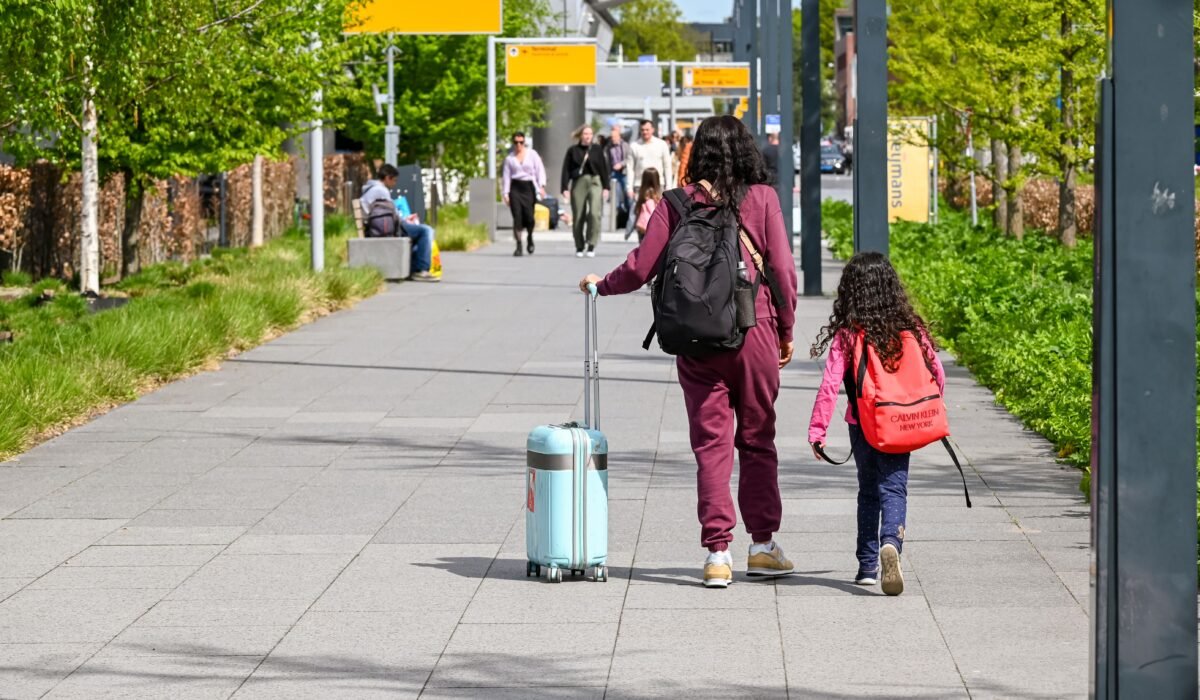
Navigating the complexities of air travel with children can feel overwhelming, but with the right traveling with kids by air tips, you can transform potential chaos into a memorable family adventure. From understanding airline policies to keeping little ones entertained at 30,000 feet, this comprehensive guide from our Travel Support Team offers actionable strategies to ensure a smoother, more enjoyable journey for everyone.
Speak With A Flight Reservation Specialist
Need help with flight reservations, flight changes, cancellations, refund requests, missed flights, or last-minute bookings? Speak with a flight reservation specialist now.
- Flight Reservations
- Flight Changes
- Flight Cancellations
- Refund Assistance
- Last-Minute Bookings
- Travel Support
What are the Rules for Flying with Children?
Understanding the fundamental airline policies for children is the first step toward a successful family trip. While specific rules can vary by carrier, federal regulations set a baseline for safety and documentation. Knowing these guidelines beforehand helps you prepare adequately and avoid surprises at the airport.
Generally, infants must be at least seven days old to fly, though pediatricians Clair McCarthy and Jennifer Shu ideally recommend waiting until an infant is two or three months old. This delay helps reduce the risk of infectious diseases in crowded airport and cabin environments, as a newborn’s immune system is still developing. Always check with your airline and pediatrician, especially for very young infants or those with health concerns.
Child Safety Seats and Restraints
When it comes to safety, the Federal Aviation Administration (FAA) has clear guidelines. For children under two, you have the option of holding them as a lap infant or securing them in an FAA-approved child restraint system (CRS). However, experts like those at HealthyChildren.org emphasize that the safest way to fly with a baby is to use an FAA-approved car seat on plane or an airplane harness device.
Here’s what you need to know about using a car seat on a plane:
- FAA Approval: Ensure your car seat has a label stating it is “FAA Approved for Aviation.” Without this label, it cannot be used on board.
- Appropriate Size: The car seat must fit in the aircraft seat without blocking the aisle. Rear-facing installation is recommended for children under 20 pounds, just as it would be in a car.
- Booster Seats: It’s crucial to remember that booster seats cannot be used on airplanes because they require a lap-and-shoulder belt system, which aircraft seats do not have.
- Turbulence Risk: HealthyChildren.org highlights that turbulence is the leading cause of children’s injuries on airplanes, as parents may struggle to maintain a firm grip on a lap-held child during unexpected jolts. This underscores the importance of a proper child restraint.
Always verify your specific airline’s policy regarding child restraint systems, as some may have additional requirements or recommendations beyond the FAA’s minimums. Our Travel Support Team frequently assists families with these types of detailed inquiries.
Best Age to Fly with a Child & Essential Documents
Determining the “best” age to fly with a child often depends on individual circumstances and comfort levels, but there are medical and logistical considerations. Beyond age, having the correct kids travel documents is non-negotiable for any flight, whether domestic or international.
Ideal Age for Air Travel with Children
As mentioned, pediatricians generally advise waiting until a newborn is at least two to three months old for their first flight. This period allows their immune system to develop somewhat, reducing susceptibility to common illnesses found in confined public spaces. For older infants and toddlers, while they might be more mobile and vocal, they can also be easier to distract with toys and snacks.
What most parents find is that the “best” age is less about a number and more about preparation. A well-rested child with plenty of entertainment and comfort items can make a flight at any age more manageable. The key is to anticipate their needs and plan accordingly, a core aspect of effective traveling with kids by air tips.
Required Kids Travel Documents
The documents your child needs depend entirely on whether you are flying domestically or internationally. Mistakes here can lead to significant delays or even denied boarding, which is why our Travel Support Team stresses accuracy.
- Domestic Flights (within the USA):
- Under 18: Typically, children under 18 traveling with an adult do not need to show ID for domestic flights. However, it’s wise to carry a copy of their birth certificate in case proof of age is requested (e.g., for lap infant status).
- Unaccompanied Minors: If a child is flying alone, airlines have specific unaccompanied minor policies requiring detailed identification for both the child and the adult dropping off/picking up.
- International Flights:
- Passport: Every child, regardless of age, needs their own valid passport for international travel. Apply well in advance, as processing times can be lengthy.
- Visas: Depending on the destination, a visa might also be required. Check the specific entry requirements for your destination country far ahead of your travel date.
- Birth Certificate: Always carry an original or certified copy of the child’s birth certificate, especially if their last name differs from yours or if you are not the biological parent.
- Consent Letter: This is a critical document if a child is traveling internationally with only one parent, with another adult (e.g., grandparent), or as an unaccompanied minor. A notarized letter of consent from the non-traveling parent(s) or legal guardian(s) is often required, granting permission for the child to travel and outlining the dates and destination. This helps prevent international child abduction.
For detailed information on what documents does a child need to fly internationally, always consult the U.S. Department of State website and the embassy or consulate of your destination country. Proactive preparation of these documents is a cornerstone of stress-free family air travel advice.
Speak With A Flight Reservation Specialist
Need help with flight reservations, flight changes, cancellations, refund requests, missed flights, or last-minute bookings? Speak with a flight reservation specialist now.
- Flight Reservations
- Flight Changes
- Flight Cancellations
- Refund Assistance
- Last-Minute Bookings
- Travel Support
Navigating Airline Policies: Seats, Lap Infants, & Baggage for Families
One of the most frequent challenges families face is understanding and navigating the myriad of airline policies for children. These rules can significantly impact your comfort and budget, especially concerning seating arrangements, lap infant rules, and allowances for children’s gear. Our Travel Support Team advises thorough research specific to your chosen airline.
Seat Selection for Families
Ensuring your family sits together is paramount, especially when traveling with young children. This isn’t always guaranteed, especially with certain fare types:
- Basic Economy Warning: Paula Twidale, Senior Vice President of AAA Travel, strongly advises against purchasing basic economy tickets when traveling with kids. These fares often severely restrict seat selection, making it difficult or impossible for families to sit together without paying extra fees at check-in, if seats are even available.
- Advance Seat Selection: For most standard economy and higher fares, you can select seats in advance, often for a fee. This is usually worth the investment for peace of mind.
- Family Seating Policies: Some airlines, like Southwest, offer open seating, allowing families to board early to select seats together. Others, under Department of Transportation (DOT) guidance, aim to seat children 13 and under next to an accompanying adult at no extra cost, though this is not a strict mandate for all airlines or fare types.
- Strategies for Adjacency: If you find yourselves separated, politely ask gate agents or flight attendants for assistance. Often, other passengers are willing to swap seats to help families. For more tips on securing your preferred spot, see our guide on How to Get Best Airplane Seats.
Lap Infant Policies
Lap infant rules allow children under two years old to fly without a purchased seat, typically on a parent’s lap. However, there are important nuances:
- Age Limit: The “under two” rule is strict. If your child turns two during your trip, they will need a purchased seat for the return leg.
- One Infant Per Adult: Following FAA safety rules, airlines like Delta Air Lines stipulate that an adult passenger may only carry one lap-held infant. If you are traveling with two infants, you must purchase a seat for one of them, who would then need to be secured in an FAA-approved child restraint.
- International Flights: While lap infants are often free on domestic flights, most airlines charge a percentage of an adult fare (plus taxes and fees) for lap infants on international flights. This can range from 10% to 25% of the adult fare, so always factor this into your budget.
- Safety vs. Cost: While cost-effective, HealthyChildren.org emphasizes that the safest option for an infant is to be secured in their own FAA-approved car seat, even if it means purchasing a separate ticket. This protects them during turbulence.
Baggage Allowances for Kids’ Gear
Understanding baggage allowances for children’s items can save you significant fees and stress. Most airlines are quite accommodating for essential baby equipment:
- Strollers and Car Seats: Airlines generally allow you to check a stroller and a car seat for free, in addition to your standard baggage allowance. You can often check these items at the curb, at the ticket counter, or gate-check them right before boarding. Gate-checking allows you to use your stroller through the airport, which can be a lifesaver. Look into our Checked Baggage Fees by Airlines guide for more details.
- Diaper Bags: A diaper bag is typically considered a personal item or a carry-on and does not usually count against your standard carry-on baggage rules limit, especially when traveling with an infant or toddler. Confirm this with your specific airline.
- Breast Pumps and Milk: Breast pumps are considered medical devices and do not count as a carry-on item. Breast milk, formula, and juice for infants are exempt from the TSA’s 3-1-1 liquid rule and can be carried in quantities greater than 3.4 ounces, provided they are declared at security.
Always double-check your airline’s specific airline car seat policy and baggage rules before you fly, as they can change. This proactive approach is a key part of effective family air travel advice.
Speak With A Flight Reservation Specialist
Need help with flight reservations, flight changes, cancellations, refund requests, missed flights, or last-minute bookings? Speak with a flight reservation specialist now.
- Flight Reservations
- Flight Changes
- Flight Cancellations
- Refund Assistance
- Last-Minute Bookings
- Travel Support
How to Survive a Flight with Kids: Pre-Flight & In-Flight Strategies
The thought of keeping kids calm and happy during a flight often generates the most anxiety for parents. However, with thoughtful pre-flight preparation and a robust arsenal of in-flight strategies, you can confidently answer the question, “How do you survive a flight with kids?” These flying with a baby tips and flying with a toddler tips are designed to make your journey smoother.
Pre-Flight Preparation for a Smooth Start
Your journey begins long before you step onto the plane. Strategic planning can set a positive tone for the entire trip.
- Online Check-In: Always check in online 24 hours before your flight. This saves time at the airport and allows you to confirm seats. For a detailed guide, refer to our Airport Check-In Process Explained.
- Airport Security with Kids: Be prepared for TSA. Liquids for infants (breast milk, formula, juice) are exempt from the 3-1-1 rule but must be declared. Remove items from your carry-on that might alarm the scanner, like electronics. Strollers must be folded and sent through the X-ray machine.
- Pre-Boarding: Most airlines offer pre-boarding for families with young children. Take advantage of this. It gives you extra time to get settled, install car seats, and organize your carry-ons without feeling rushed by other passengers.
- Tire Them Out (But Not Too Much): A delicate balance! Let toddlers burn off energy at a play area before boarding, but avoid overtiring them, which can lead to meltdowns.
- Talk About the Flight: For older toddlers and children, explain what to expect. Describe the airport, the plane, and what will happen during the flight. This reduces anxiety and helps them feel more in control.
In-Flight Entertainment & Comfort for Happy Travelers
Once on board, the focus shifts to keeping your children engaged and comfortable. This is where your in-flight entertainment for toddlers and older kids truly shines.
- The Power of Distraction: Experts recommend packing a variety of distractions. This includes new, small toys (wrapped individually for a “reveal” surprise), coloring books, sticker books, and storybooks. For older kids, a tablet loaded with movies, games, and educational apps is invaluable. Don’t forget kid-friendly headphones!
- Snacks, Snacks, Snacks: Pack plenty of familiar, non-messy snacks. The novelty of airplane food might wear off quickly, or it might not appeal to picky eaters. Having their favorite treats on hand can be a game-changer for managing moods.
- Ear Pressure Remedies for Kids: Changes in cabin pressure can cause ear discomfort, especially during ascent and descent. For infants, feeding (breastfeeding or bottle-feeding) or a pacifier can help equalize pressure. For older children, chewing gum, sucking on lollipops, or yawning can be effective.
- Familiar Comforts: A favorite blanket, stuffed animal, or small pillow can provide immense reassurance and help children relax in an unfamiliar environment. A white-noise machine can also help soothe babies and block out airplane noise, aiding sleep.
- Movement and Breaks: Encourage older children to stretch their legs periodically (when safe) or take short walks to the lavatory. For babies, gentle rocking or walking the aisle can sometimes help calm them.
The key to successful in-flight management is to be proactive and flexible. What works for one child or one flight might not work for the next, so having a variety of strategies is essential.
Managing Flight Disruptions When Traveling with Kids by Air
Flight delays, cancellations, or missed connections are stressful for any traveler, but they become exponentially more challenging when you’re traveling with kids by air tips. Children have less patience, stricter schedules, and greater needs, making disruptions a major pain point. Our Travel Support Team understands these challenges and offers strategies to navigate them effectively.
Coping with Flight Delays and Cancellations
When your flight is delayed or canceled, your priority shifts to keeping your children comfortable and managing the logistics. Here’s how to approach flight delays with kids:
- Stay Calm and Inform: Your calm demeanor will influence your children. Briefly explain the situation in an age-appropriate way.
- Seek Information: Immediately check your airline’s app, gate screens, or speak to gate agents for updates. Knowing the estimated delay time helps you plan.
- Utilize Airport Amenities: Look for family lounges, play areas, or even quiet corners where your kids can relax or burn off some energy. Many airports now have dedicated children’s zones.
- Replenish Supplies: Use the delay to restock snacks, drinks, and diaper bag essentials. Don’t hesitate to purchase a meal if the delay is significant.
- Airline Assistance: For significant delays or cancellations, airlines typically provide assistance. This can include rebooking on the next available flight, meal vouchers, or hotel accommodations if an overnight stay is required. Be persistent but polite when speaking with airline representatives. Our guide on US Flight Delay Compensation Guide details your rights.
Refund Support & Rebooking for Families
Dealing with rebooking or seeking refunds when traveling with multiple family members and young children adds another layer of complexity. Here’s how our expertise can assist:
- Know Your Rights: The Department of Transportation (DOT) mandates that if your flight is canceled, you are entitled to a full refund, even on non-refundable tickets. This applies to all members of your family traveling on the same reservation. Read our DOT Airline Refund Policy Explained for more details.
- Proactive Rebooking: If a flight is canceled, don’t wait for the airline to contact you. Use their app or call customer service immediately to explore rebooking options. Having a specialist from our team on the line can often expedite this process, especially when coordinating multiple seats.
- Alternative Flights: Be prepared to suggest alternative flights or even other airlines if your original carrier’s options are unsuitable. Sometimes, securing separate tickets for each family member might be faster than waiting for a single booking with multiple seats.
- Document Everything: Keep records of all communications, new booking confirmations, and any expenses incurred due to the disruption. This is vital for any potential compensation claims. For advice on avoiding fees, see Cancel Flight Without Extra Charges and How to Reschedule a Flight Online.
In practice, managing these situations requires patience and persistence. Our Travel Support Team specializes in navigating these intricate airline policies to ensure your family’s travel plans are restored as quickly and smoothly as possible.
Special Considerations for Kids with Special Needs
Traveling by air with children who have special needs requires an extra layer of planning and communication. Airlines are increasingly aware of the diverse needs of passengers, but it’s up to you to advocate for your child and ensure their comfort and safety. These family air travel advice points are especially crucial here.
Start by contacting the airline well in advance of your flight to discuss your child’s specific requirements. Airlines can often arrange for pre-boarding, provide wheelchair assistance, or offer specific seating arrangements. Clearly articulate any accommodations your child might need, whether it’s for mobility, sensory sensitivities, or medical equipment.
- Pre-Boarding: For children with sensory sensitivities or mobility challenges, pre-boarding can be invaluable. It allows them to settle into their seats without the rush and chaos of general boarding, reducing anxiety and overstimulation.
- Specific Airline Accommodations: Inquire about airline programs or services designed for passengers with disabilities. Some airlines offer “dry runs” or practice boarding for children with autism to familiarize them with the airport and aircraft environment.
- Sensory Considerations: Air travel can be overwhelming. Pack noise-canceling headphones, a favorite comfort item, a weighted blanket, or specific sensory toys. Discuss with your pediatrician if any medication might help manage anxiety or sensory overload during the flight.
- Communication with Staff: Inform flight attendants and gate agents about your child’s needs. A simple, polite conversation can make a significant difference in how staff interact with your child and offer support throughout the journey.
- Medical Equipment: If your child requires medical equipment, confirm its compatibility with airline regulations and ensure you have all necessary documentation from their doctor