
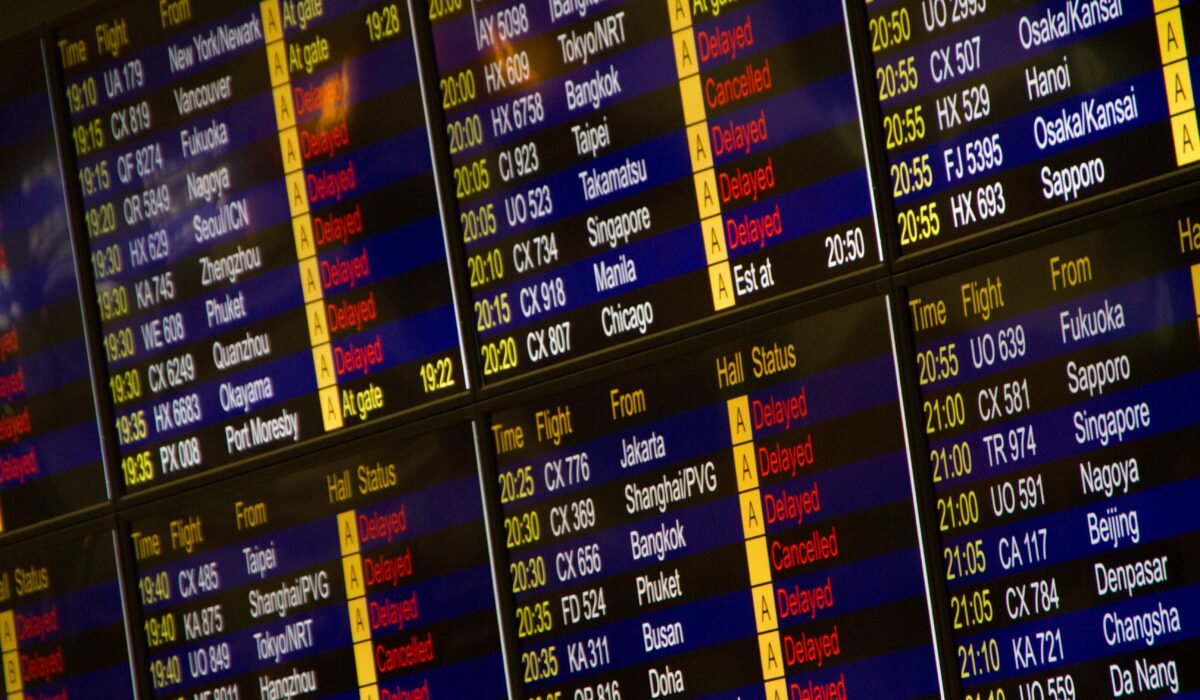
Are you looking to cancel flight without extra charges and wondering if it’s even possible? Many travelers face unexpected changes of plans, and the thought of losing money on a flight ticket can be incredibly frustrating. This comprehensive guide from our Travel Support Team will walk you through the essential rules, policies, and insider tips to help you navigate flight cancellations and secure your refund or credit without incurring hefty fees in 2024.
Speak With A Flight Reservation Specialist
Need help with flight reservations, flight changes, cancellations, refund requests, missed flights, or last-minute bookings? Speak with a flight reservation specialist now.
Our experts can assist you with:
- Flight Reservations
- Flight Changes
- Flight Cancellations
- Refund Assistance
- Last-Minute Bookings
- Travel Support
Understanding the 24-Hour Rule: Your Right to Cancel Without Charges
The 24-hour rule is your first and often best opportunity to cancel flight without extra charges. This crucial consumer protection is mandated by the U.S. Department of Transportation (DOT) and applies to most flights to, from, or within the United States. It allows you to cancel your booking and receive a full refund within 24 hours of purchase, provided your flight is at least seven days away.
How the 24-Hour Rule Works
Essentially, this rule gives you a grace period to review your travel plans immediately after booking. If you find a better deal, realize you made a mistake with dates or names, or simply change your mind, you can often rescind the purchase without penalty. The rule is designed to protect consumers from impulse buys and booking errors.
According to the U.S. Department of Transportation, this “24-hour reservation requirement” means that “a consumer can hold a reservation at the quoted fare for 24 hours without payment or cancel a reservation within 24 hours after the reservation is made without penalty.” This applies to bookings made directly with airlines or through online travel agencies (OTAs) for flights operating under a U.S. carrier’s code, or flights departing from the U.S. The key is that the flight must be booked at least seven days prior to its scheduled departure.
What most people miss is that this rule isn’t just about cancellations; it also allows for minor changes. If you spot a typo in your name or need to adjust a connecting flight within that 24-hour window, you can often do so without incurring a change fee, or simply cancel and rebook correctly. Always double-check your itinerary immediately after purchase to leverage this window effectively.
Exceptions and Nuances to the 24-Hour Rule
While broadly applicable, there are a few 24-hour flight cancellation rule exceptions to be aware of. The primary one is the seven-day advance purchase requirement. If you book a flight less than seven days before departure, the 24-hour rule typically does not apply. Also, some smaller regional airlines might have slightly different interpretations, though major carriers generally adhere strictly to DOT regulations.
For example, while the rule usually applies to refundable and non-refundable tickets alike, the refund processing timeframe varies. Airlines are required to process refunds within 7 business days for credit card payments and 20 calendar days for other payment methods, as mandated by DOT flight cancellation rules 2024. Always document your cancellation request and keep confirmation numbers to ensure you receive your money back promptly.
When Can You Cancel Your Flight Without Extra Charges Beyond 24 Hours?
Moving beyond the initial 24-hour window, opportunities to cancel flight without extra charges become less common but are certainly not impossible. These situations primarily revolve around significant changes initiated by the airline itself, rather than your personal decision to cancel. Understanding these scenarios is crucial for protecting your travel investment.
Airline-Initiated Changes: Getting a Full Refund When Your Flight is Canceled or Significantly Delayed
This is perhaps the most straightforward path to a full cash refund outside the 24-hour rule. If the airline significantly alters your flight schedule, you are generally entitled to a full refund, even on a non-refundable ticket. The U.S. Department of Transportation (DOT) mandate, under rules passed in October 2024, explicitly states that passengers are entitled to a timely and automatic refund if their itinerary experiences a significant change or cancellation, regardless of the cause.
What Constitutes a “Significant Change”?
Defining a “significant change” can sometimes be subjective, but the DOT provides clear guidelines. Generally, these include:
- Flight Cancellation: If the airline cancels your flight, you are entitled to a full refund. This is non-negotiable.
- Significant Schedule Change: A change in departure or arrival time by three hours or more for domestic flights, or six hours or more for international flights, is typically considered significant.
- Change in Departure or Arrival Airport: If the airline changes your departure or arrival airport to a different one, you can usually claim a refund.
- Increase in Number of Connections: Adding a connection to a previously direct flight, or increasing the number of connections, can also qualify.
- Changes to Aircraft Type: In some cases, a significant downgrade in aircraft type (e.g., from a wide-body with lie-flat seats to a narrow-body without premium amenities) might warrant a refund, though this is less common.
As U.S. Transportation Secretary Pete Buttigieg stated, “Passengers deserve to get their money back when an airline owes them – without headaches or haggling. Our new rule sets a new standard to require airlines to promptly provide cash refunds to their passengers.” This reinforces your right to a refund for significantly delayed flights or cancellations.
My experience in travel support has shown that airlines often try to offer flight credits first. While a credit can be useful, remember that you are entitled to a cash refund if the airline cancels your flight or makes a significant change. Always insist on the cash refund if that’s what you prefer, especially if you’re unsure when you’ll travel next. This is a key aspect of the airline refund policy for cancelled flights.
Need Immediate Assistance with a Canceled Flight?
If your flight has been canceled or significantly delayed by the airline and you need help securing your refund, our specialists are ready to assist. Don’t navigate complex airline refund policies alone.
We can help you:
- Understand your refund eligibility
- Communicate with the airline
- Expedite your refund request
Navigating Voluntary Cancellations for Non-Refundable Flights
When you need to cancel for personal reasons and the airline hasn’t made any significant changes, securing a full refund for non-refundable flights is challenging but not entirely impossible. This is where understanding your options and airline change fee waiver policy becomes crucial. Voluntary flight cancellation options typically involve either forfeiting your ticket value or receiving a travel credit, often minus a fee.
Airline Change Fee Waivers and Travel Credits
Many airlines have eliminated change fees on most fare types, particularly for main cabin and first-class tickets. This means that while you might not get a cash refund, you can often cancel your flight and receive a credit for the full value of your ticket (minus any fare difference if you rebook a cheaper flight, or plus a fare difference if you rebook a more expensive one) without paying an additional cancellation fee. This is a significant improvement from past policies where change fees could sometimes exceed the cost of the original ticket.
However, it’s vital to check the specific fare rules for your ticket. Basic Economy or Saver fares often still come with restrictions or fees. For example, JetBlue’s Blue Basic fares can incur a cancellation fee of $100 or $200 depending on the route, with the remainder issued as a travel credit. Always read the fine print when booking, or reach out to the airline directly to understand your options for cancelling non-refundable flight credit.
Leveraging Travel Insurance and Credit Card Protections
This is a critical area often overlooked for those needing to cancel a non-refundable flight. Travel insurance flight cancellation coverage can be a lifesaver. If you purchased a comprehensive travel insurance policy, it might cover your non-refundable expenses if you have to cancel for a covered reason, such as illness, injury, or a death in the family.
Many premium credit cards also offer built-in travel protection. Before you pay for a separate travel insurance policy, check the benefits guide for the credit card you used to book your flight. These protections can include trip cancellation and interruption coverage, which could allow you to recover costs if you need to cancel for a covered event. The key here is “covered event” – personal reasons like a change of heart are rarely covered.
Canceling Flights Booked Through Online Travel Agencies (OTAs)
Booking through an Online Travel Agency (OTA) like Expedia, Priceline, or Google Flights adds another layer of complexity to flight cancellations. While the DOT’s 24-hour rule generally applies to OTA bookings for flights to/from/within the U.S., their specific cancellation policies beyond that window can vary significantly from direct airline bookings. It’s crucial to understand the OTA flight refund process.
Navigating OTA-Specific Policies
When you book through an OTA, you’re essentially dealing with three entities: you, the OTA, and the airline. The OTA acts as an intermediary, and while they must adhere to the 24-hour rule, their own terms and conditions often dictate what happens afterward. Some OTAs may have more restrictive cancellation policies or charge their own administrative fees on top of any airline fees.
Our Travel Support Team often advises clients that if you need to make changes or cancel beyond the 24-hour window, your first point of contact should generally be the OTA. They hold your booking and are responsible for initiating the cancellation process with the airline. However, if the airline has made a significant schedule change, you might also contact the airline directly to assert your right to a refund under DOT rules, even if booked via an OTA. Always document who you spoke with, when, and what was agreed upon.
The Impact of New Regulations on OTA Bookings
The DOT’s new rules, which mandate timely and automatic refunds for airline-initiated cancellations or significant changes, apply regardless of where the ticket was purchased. This means if an airline cancels your flight, the OTA is also obligated to facilitate your refund. However, the process can still be slower through an intermediary.
It’s important to be aware that while the new EU rules primarily impact travelers flying within or from the EU, if you’re a US traveler booking through an OTA that operates globally, some of those consumer protections might indirectly influence their practices. Always check the OTA’s specific terms and conditions, as well as the airline’s policy, to ensure you understand your rights before you book. This layered approach is key to understanding how to get a cash refund for a cancelled flight when booked through a third party.
Special Circumstances: Waiving Fees for Illness, Death, or Military Orders
Life happens, and sometimes unforeseen events make travel impossible. In these special circumstances, many airlines offer waivers for cancellation or change fees, even on non-refundable tickets. While not a guarantee, these situations often present opportunities to cancel flight without extra charges, or at least with significantly reduced penalties.
Medical Emergencies and Bereavement Policies
Most airlines have established policies for passengers who need to cancel due to severe illness, injury, or the death of an immediate family member.
- Illness/Injury: If you or a traveling companion become seriously ill or injured and cannot fly, you may be able to get a refund or a fee-free credit. This typically requires a doctor’s note or medical certificate confirming you are unfit to travel. The specific airline refund policy for cancelled flights due to illness can vary, so check with your carrier.
- Bereavement: In the event of a death in the immediate family, airlines often waive change or cancellation fees. You’ll usually need to provide a copy of a death certificate or an obituary. Some airlines might even offer reduced fares for last-minute travel to a funeral.
It’s worth noting that “immediate family” definitions can vary by airline, so confirm what documentation they require. In my experience, airlines are generally more sympathetic in these situations, but having your paperwork in order is crucial for a smooth process.
Military Orders and Jury Duty
For active military personnel, changes in orders are a common reason for needing to alter travel plans. Airlines typically have specific military policies that allow for fee-free changes or cancellations if you provide official documentation of your new orders. This is a standard airline change fee waiver policy designed to support service members.
Similarly, if you receive a summons for jury duty that conflicts with your travel dates, some airlines may offer flexibility. You would need to provide a copy of your jury summons. While less common than military waivers, it’s always worth asking, especially if you can provide official proof of your obligation.
The key to leveraging these special circumstances is to contact the airline as soon as possible and have all necessary documentation ready. Delays can sometimes limit your options. While these aren’t guaranteed paths to a cash refund, they significantly increase your chances of receiving a travel credit without incurring hefty fees.
Facing an Urgent Travel Change?
If you’re dealing with a last-minute cancellation due to special circumstances like illness or military orders, our team can help you understand your airline’s specific waiver policies and assist with the necessary documentation.
Get expert guidance on:
- Submitting waiver requests
- Understanding required documentation
- Navigating complex airline policies
Airline-Specific Policies: Southwest, Alaska, JetBlue, and More
While federal regulations provide a baseline, individual airline policies often offer additional flexibility or impose unique restrictions. Understanding these nuances can be the difference between a smooth, fee-free cancellation and an expensive headache. Let’s look at some prominent examples.
Southwest Airlines: The Gold Standard for Flexibility
Southwest Airlines stands out with its exceptionally generous policy. They have a long-standing practice of not charging change or cancellation fees for any fare type, provided the cancellation is made at least 10 minutes before the scheduled departure. If you cancel a cash fare, you’ll receive a travel credit (which now has an expiration date, typically 12 months from the original booking date). If you booked with Rapid Rewards points, the points are immediately redeposited into your account without any fees. This “free flight cancellation policy” is a major draw for many travelers.
This policy means that with Southwest, it’s generally very easy to cancel flight without extra charges, even beyond the 24-hour rule, provided you accept a travel credit instead of a cash refund. This flexibility is a huge advantage for travelers whose plans might change.
Alaska Airlines: Saver Fares and Main Cabin Options
Alaska Airlines has a tiered approach to cancellations. For flights booked on or after July 19, 2023:
- Main Cabin and First Class: These fares typically allow for cancellations without a fee, resulting in a full credit of the ticket value.
- Saver Fares: These are their most restrictive fares. If canceled at least 14 days prior to departure, you might be eligible for a 50% credit of the ticket value. Canceling within 14 days of departure often results in a forfeiture of the ticket value.
This distinction highlights why checking your fare type is paramount. What applies to a Main Cabin ticket might not apply to a Saver fare, making the difference between a partial credit and losing your money entirely.
JetBlue: Blue Basic and Points Bookings
JetBlue’s policy also depends heavily on the fare type:
- Most Fare Types (Blue, Blue Plus, Mint): These can generally be canceled for a Travel Bank credit without incurring a fee.
- Blue Basic Fares: As mentioned earlier, these fares often incur a cancellation fee of $100 or $200, with the remaining amount issued as a travel credit. This is a classic example of an airline change fee explained, where the lowest fare comes with the highest restrictions.
- Flights Booked with Points: If you booked your flight using JetBlue TrueBlue points, you can usually cancel without a fee, and the points will be redeposited into your account.
Each airline’s specific refund policy for cancelled flights is unique. Before booking, especially if your plans are uncertain, take a moment to review the cancellation terms for the specific fare you’re considering. This proactive step can save you significant money and stress down the line.
Other Major Airlines
Many other major U.S. carriers like Delta, United, and American have largely eliminated change fees for most domestic and some international economy and premium cabin tickets. This typically means you’ll receive a flight credit for future travel if you voluntarily cancel, rather than a cash refund. Basic Economy tickets, however, almost universally remain non-changeable and non-refundable, unless the 24-hour rule applies or the airline itself cancels or significantly changes the flight. Always check their individual “free flight cancellation policy” pages on their websites.
Unsure About Your Airline’s Policy?
Airline policies can be complex and change frequently. If you’re struggling to understand your specific airline’s rules for cancellations or refunds, our specialists are here to help.
We provide clarity on:
- Specific fare rules
- Eligibility for refunds or credits
- Best practices for contacting airlines
Frequently Asked Questions
How can I cancel a flight and get a full refund?
You can typically get a full cash refund if you cancel your flight within 24 hours of booking (provided the flight is at least seven days away) or if the airline itself cancels your flight or makes a significant schedule change. For voluntary cancellations beyond the 24-hour window, you might receive a travel credit without fees on many fare types, but a cash refund is less common unless you have travel insurance for a covered reason.
What is the 24-hour rule for flight cancellations?
The 24-hour rule, mandated by the U.S. DOT, allows passengers to cancel a flight booking and receive a full refund without penalty within 24 hours of purchase. This rule applies to flights to, from, or within the U.S., as long as the booking was made at least seven days before the flight’s scheduled departure. It provides a grace period for travelers to correct errors or change their minds.
Do airlines have to refund canceled flights?
Yes, under U.S. Department of Transportation regulations, airlines are legally required to provide a full cash refund if they cancel your flight or make a “significant change” to your itinerary and you choose not to accept the alternative offered. This applies regardless of the reason for the cancellation or the type of ticket purchased (refundable or non-refundable). The refund must be processed within 7 business days for credit card payments and 20 calendar days for other payment methods.
Can I cancel a non-refundable flight without a fee?
You can often cancel a non-refundable flight without a fee if you do so within the 24-hour rule, or if the airline cancels or significantly changes your flight schedule. Beyond these scenarios, many airlines have eliminated change fees for most fare types, meaning you can cancel for a travel credit without an extra charge. However, Basic Economy or Saver fares may still incur cancellation fees, or you may forfeit the ticket value entirely. Travel insurance or credit card protections can also provide fee-free cancellation for covered reasons.
Key Takeaways: Your Checklist for Zero-Fee Flight Cancellations
Navigating the complexities of airline cancellation policies requires a strategic approach. While it might seem daunting, there are indeed multiple pathways to cancel flight without extra charges, provided you understand your rights and the specific conditions. From the moment you book, you have options that can save you money and stress.
Here’s a concise checklist to maximize your chances of a zero-fee cancellation:
- Act Fast with the 24-Hour Rule: Always review your booking immediately after purchase. This is your easiest path to a full refund.
- Monitor Flight Changes: Keep an eye on your flight schedule. If the airline makes a significant change or cancels, you’re entitled to a cash refund.
- Understand Your Fare Type: Know the specific rules for your ticket (e.g., Basic Economy vs. Main Cabin) before booking.
- Consider Travel Insurance: For non-refundable tickets, robust travel insurance or credit card trip protection can cover unforeseen circumstances.
- Document Special