
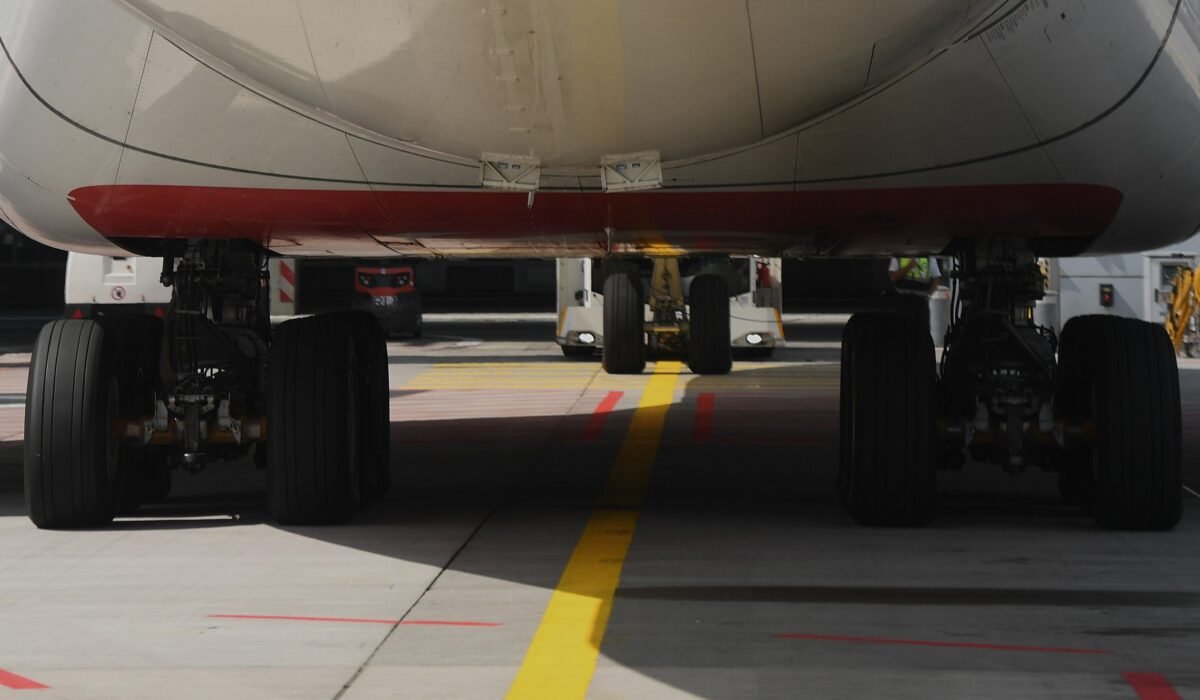
When planning your next journey, a primary concern for many travelers revolves around one crucial question: How robust is USA airline safety for travelers? Understanding the current landscape of air travel safety in the United States is essential for peace of mind, especially with evolving aviation technology and regulations. This comprehensive guide will equip you with the knowledge to make informed decisions, detailing everything from current safety statistics to proactive measures airlines and regulators are taking to ensure your security in the skies.
Speak With A Flight Reservation Specialist
Need help with flight reservations, flight changes, cancellations, refund requests, missed flights, or last-minute bookings? Speak with a flight reservation specialist now.
- ✓ Flight Reservations
- ✓ Flight Changes
- ✓ Flight Cancellations
- ✓ Refund Assistance
- ✓ Last-Minute Bookings
- ✓ Travel Support
How Safe Are USA Airlines for Travelers in 2024-2026?
The short answer is: incredibly safe. When we talk about USA airline safety for travelers, the data consistently shows that commercial air travel remains one of the safest modes of transportation available. Despite high-profile incidents that capture headlines, the overall trend in air travel safety statistics continues to be one of continuous improvement.
For instance, major airlines (scheduled service) in the U.S. reported no onboard fatalities and a fatal accident rate of 0.0 per 100,000 flight hours in 2024. This remarkable record stands in stark contrast to general aviation, which saw 300 onboard fatalities in the same year. Globally, the International Air Transport Association (IATA) reported an all-accident rate of 1.13 per million flights in 2024, meaning one accident per 880,000 flights, a better rate than the five-year average.
While 2025 saw a slight increase in the global all-accident rate to 1.32 per million flights, with eight fatal accidents and 394 onboard fatalities, it’s crucial to remember that these figures are global and encompass all types of commercial aviation, not just U.S. carriers. The U.S. aviation system, under stringent FAA regulations, maintains an exceptionally high safety standard, making flying within the country remarkably secure.
Which USA Airline Has the Best Safety Record?
Pinpointing a single “safest airline US” can be complex, as various organizations use different methodologies for their safety ratings. However, several U.S. carriers consistently rank at the top due to their long histories of operational excellence, robust aircraft maintenance protocols, and advanced pilot training standards.
While specific rankings can fluctuate annually, airlines like Delta, Southwest, United, and Alaska Airlines are frequently cited for their strong safety performance. These airlines invest heavily in maintaining modern fleets, adhering to strict FAA regulations, and implementing proactive safety measures that often exceed minimum requirements. Our team often helps travelers evaluate factors beyond just price, and safety is always a top consideration. If you’re looking for more details on overall performance, you might find our guide on Most Reliable USA Airlines helpful.
It’s important to remember that all U.S. commercial airlines operate under the same rigorous oversight of the FAA and are subject to NTSB investigations in the event of any significant incident. Therefore, while some airlines may have marginally better statistical records over very long periods, the fundamental safety standards for all major U.S. carriers are incredibly high.
Understanding Safest US Airlines Ranking Criteria
When you see a “safest US airlines ranking,” these are typically based on a combination of factors, including:
- Fatal Accident History: The absence of fatal accidents over a long period is a key indicator.
- Incident Rate: The number of non-fatal incidents, such as runway incursions or mechanical issues, per flight.
- Fleet Age: While older planes can be perfectly safe with proper maintenance, newer fleets often incorporate the latest safety technology.
- Audits and Certifications: Adherence to international safety audits like IOSA (IATA Operational Safety Audit).
- Pilot Training: The quality and frequency of pilot training, including simulator hours and recurrent checks.
- Maintenance Practices: The rigor and frequency of aircraft maintenance protocols.
Speak With A Flight Reservation Specialist
Need help with flight reservations, flight changes, cancellations, refund requests, missed flights, or last-minute bookings? Speak with a flight reservation specialist now.
- ✓ Flight Reservations
- ✓ Flight Changes
- ✓ Flight Cancellations
- ✓ Refund Assistance
- ✓ Travel Support
How Are Airline Safety Ratings Determined?
Airline safety ratings explained often involve a multi-faceted approach, combining regulatory oversight with independent industry analysis. In the United States, the Federal Aviation Administration (FAA) is the primary regulatory body, setting and enforcing comprehensive FAA safety regulations 2024 that all commercial airlines must follow. These regulations cover everything from aircraft design and manufacturing to pilot licensing, maintenance, and operational procedures.
Beyond government oversight, independent organizations and industry publications also contribute to airline safety ratings. For example, AirlineRatings.com is a well-known industry publication that assesses airlines based on various criteria. They often consider:
- Fatal Accident History: A clean record over a significant period is paramount.
- Government Audit Status: Whether the airline’s country of origin meets specific international safety standards (e.g., ICAO audits).
- FAA and EASA Approvals: Compliance with the strict safety standards of major aviation authorities.
- IATA Operational Safety Audit (IOSA) Certification: A globally recognized audit program for operational management and control systems.
- Fleet Age and Maintenance: The average age of the airline’s aircraft and the robustness of its maintenance programs.
- Incident Records: Analysis of non-fatal incidents, runway excursions, and other safety-related events.
These comprehensive assessments provide travelers with a broader perspective on an airline’s commitment to safety, extending beyond just the absence of major accidents. The continuous collection and analysis of NTSB accident data also plays a crucial role in identifying trends and issuing recommendations for future safety improvements.
Beyond the Numbers: Proactive Safety Measures & Technology
While statistics provide a snapshot of past performance, the true strength of USA airline safety for travelers lies in the proactive measures and cutting-edge aviation technology advancements constantly being implemented. The industry is not just reacting to incidents but actively working to prevent them through innovation and continuous improvement.
Advanced Predictive Maintenance
Airlines are increasingly using sophisticated data analytics and machine learning to predict potential equipment failures before they occur. Sensors on aircraft collect vast amounts of data on engine performance, hydraulic systems, and other critical components. This allows maintenance teams to identify anomalies and perform preventative maintenance, significantly reducing the risk of in-flight mechanical issues. This goes far beyond traditional aircraft maintenance protocols.
Enhanced Air Traffic Control (ATC) Technologies
The FAA is continually upgrading air traffic control systems to improve situational awareness for controllers and pilots. Initiatives like the Runway Incursion Device (RID), being rolled out at 74 air traffic control towers by March 2025, aim to prevent runway incursions by providing enhanced alerts. These technologies are crucial for managing the increasing volume of air traffic and preventing ground incidents.
Pilot Fatigue Mitigation Programs & Training Standards
Recognizing the human element in aviation, airlines and regulators are implementing advanced pilot fatigue mitigation programs. These include sophisticated scheduling algorithms, mandatory rest periods, and continuous monitoring. Furthermore, pilot training standards are constantly evolving, incorporating advanced simulator training for a wider range of scenarios, including unexpected emergencies, ensuring pilots are always prepared.
Software and System Upgrades
Companies like Southwest Airlines, in partnership with Honeywell, are installing SmartRunway and SmartLanding software across their Boeing 737 fleet by June 2025. These systems provide vocal and text warnings to crews about potential dangers during taxiing, landing, or takeoff, directly addressing the rise in ground incidents due to airport congestion. Such targeted aviation technology advancements are critical to improving overall safety.
Recent Incidents & Their Impact on Future Airline Safety
Even with outstanding safety records, isolated incidents can occur, and it’s how the industry responds that truly reinforces USA airline safety for travelers. These events, while concerning, often serve as catalysts for immediate and tangible policy changes, inspections, and technological advancements.
The Alaska Airlines Door Plug Incident (Early 2024)
The widely reported incident involving an Alaska Airlines Boeing 737 MAX 9, where a door plug detached mid-flight, was a serious event but thankfully resulted in no fatalities. The immediate aftermath saw the FAA ground all Boeing 737 MAX 9 aircraft for extensive inspections. This demonstrated how quickly regulatory bodies and airlines can respond, refining safety systems in real-time. The NTSB investigation process provided crucial insights, leading to new directives for inspections and manufacturing oversight.
Lessons Learned and Systemic Changes
Such incidents trigger a cascade of actions:
- Immediate Investigations: The NTSB launches thorough investigations to determine probable causes, issuing safety recommendations to prevent recurrence.
- Fleet-Wide Inspections: Regulators often mandate inspections across entire fleets or specific aircraft types to identify any underlying issues.
- Manufacturing Process Reviews: Incidents can lead to increased scrutiny of aircraft manufacturing processes and quality control.
- New Regulations and Directives: The FAA may issue new airworthiness directives or tighten existing FAA regulations based on investigative findings.
- Airline Internal Audits: Airlines conduct their own internal audits and implement enhanced training or maintenance procedures.
The FAA’s strong stance, as stated in January 2025, that “The U.S. aviation system is the safest in the world, but one close call is one too many,” underscores this commitment to continuous improvement. Every incident, no matter how minor, is analyzed to bolster future airline safety.
Speak With A Flight Reservation Specialist
Need help with flight reservations, flight changes, cancellations, refund requests, missed flights, or last-minute bookings? Speak with a flight reservation specialist now.
- ✓ Flight Reservations
- ✓ Flight Changes
- ✓ Flight Cancellations
- ✓ Refund Assistance
- ✓ Last-Minute Bookings
- ✓ Travel Support
Your Role: Empowering Yourself as a Safe Traveler
While airlines and regulators bear the primary responsibility for safety, travelers also have a role to play in ensuring a smooth and secure flight. Empowering yourself as a safe traveler goes beyond just listening to flight attendants; it involves being aware and prepared. This is a key aspect of overall passenger safety role and air travel safety tips.
Before You Fly: Preparation is Key
- Review Safety Briefings: Always pay attention to the pre-flight safety briefing, even if you’re a frequent flyer. Procedures can vary between aircraft types and airlines.
- Locate Exits: Identify your nearest emergency exits and count the rows to them. This simple step can be critical in an emergency.
- Understand Exit Row Responsibilities: If you’re seated in an exit row, be sure you understand and are willing to perform the duties required. If not, inform a flight attendant.
- Secure Carry-on Items: Ensure your luggage is stowed properly, either under the seat in front of you or in the overhead bin. Unsecured items can become projectiles during turbulence.
- Stay Informed on Policies: Familiarize yourself with airline pet policies, baggage rules, and prohibited items to avoid delays or issues at security.
During the Flight: Awareness and Compliance
- Keep Seatbelt Fastened: Even when the seatbelt sign is off, keeping your seatbelt loosely fastened can protect you from unexpected turbulence.
- Report Concerns: If you notice anything unusual or have a safety concern, discreetly inform a flight attendant.
- Follow Crew Instructions: Flight attendants are there for your safety. Their instructions are paramount, especially during taxi, takeoff, and landing.
- Avoid Unruly Behavior: Incidents of unruly passengers can divert crew attention and resources, potentially impacting safety protocols. Your cooperation contributes to everyone’s safety.
Is Flying in the US Safer Than Other Countries?
Many travelers wonder how USA airline safety for travelers compares globally. The general consensus among experts and aviation bodies is that the U.S. aviation system is indeed among the safest, if not the safest, in the world. This is primarily due to the maturity and robustness of its regulatory framework, infrastructure, and culture of safety.
The FAA’s comprehensive oversight, coupled with the NTSB’s rigorous accident investigation process, sets a very high bar. Willie Walsh, IATA Director General, highlighted this continuous improvement in February 2025, stating, “The long-term story of aviation safety is one of continuous improvement. A decade ago, the five-year average (2011-2015) was one accident for every 456,000 flights. Today, the five-year average (2020-2024) is one accident for every 810,000 flights.” While these are global figures, the U.S. significantly contributes to this positive trend.
While other countries and regions, particularly in Europe (under EASA regulations) and parts of Asia, also boast excellent safety records, the sheer volume of air traffic and the consistent accident-free record of U.S. commercial carriers underscore its leading position. The commitment to air travel safety statistics, data analysis, and proactive measures is deeply embedded in the U.S. aviation industry, making it a benchmark for global aviation safety trends.
What Do Experts Say About USA Airline Safety?
Experts across the aviation industry consistently affirm the high standards of USA airline safety for travelers. Their insights provide valuable context beyond just raw numbers, emphasizing the systemic approach to safety.
Jennifer Homendy, NTSB Chairwoman, highlighted in July 2026 that the NTSB’s primary mission is to determine the probable causes of accidents and issue safety recommendations. With over 12,480 safety recommendations issued since 1967 and an 82% acceptance rate, the NTSB’s work has fundamentally shaped aviation safety. Her emphasis on learning from every incident, regardless of its scale, underscores a proactive safety mindset.
The FAA’s stance, articulated in January 2025, emphasizes “Safety as a Mindset.” They continually collect and analyze safety data to identify potential risks and develop mitigation strategies. This proactive, data-driven approach is a cornerstone of U.S. aviation safety, rather than waiting for accidents to occur before acting.
Moreover, a CBS News/YouGov survey in March 2025 revealed that seven in 10 Americans believe flying is very or somewhat safe, with frequent flyers showing even greater confidence. This public perception, while not a direct measure of safety, reflects the effectiveness of the industry’s efforts and the trust built over decades of reliable operation. Experts agree that this trust is well-placed, given the layers of regulation, technology, and human expertise dedicated to keeping flights safe.
Speak With A Flight Reservation Specialist
Need help with flight reservations, flight changes, cancellations, refund requests, missed flights, or last-minute bookings? Speak with a flight reservation specialist now.
- ✓ Flight Reservations
- ✓ Flight Changes
- ✓ Flight Cancellations
- ✓ Refund Assistance
- ✓ Last-Minute Bookings
- ✓ Travel Support
Frequently Asked Questions
Which US airline has the best safety record?
While all major U.S. airlines adhere to exceptionally high safety standards set by the FAA, carriers like Delta, Southwest, United, and Alaska Airlines are frequently cited for their consistent operational excellence and robust safety records. They achieve this through rigorous maintenance, advanced pilot training, and proactive safety measures that often exceed minimum regulatory requirements.
How are airline safety ratings determined?
Airline safety ratings are determined by a combination of factors, including regulatory compliance with bodies like the FAA, an airline’s history of fatal and non-fatal incidents, the age and maintenance of its fleet, and adherence to international safety audits like IOSA. Independent organizations and industry publications compile these data points to provide comprehensive safety assessments for travelers.
Is flying in the US safer than other countries?
The U.S. aviation system is widely considered one of the safest in the world, thanks to its mature and comprehensive regulatory framework, advanced infrastructure, and a strong culture of safety. While other regions also have excellent safety records, the sheer volume of air traffic handled by the U.S. with consistently low incident rates highlights its leading position in global aviation safety.
What are the most common causes of airline incidents in the US?
While major fatal accidents are extremely rare in U.S. commercial aviation, minor incidents, when they occur, often relate to factors like runway incursions, bird strikes, minor mechanical issues, or turbulence. The FAA and NTSB continuously analyze these events to implement preventative measures, such as enhanced air traffic control technology and improved pilot training, to mitigate risks.
Speak With A Flight Reservation Specialist
Need help with flight reservations, flight changes, cancellations, refund requests, missed flights, or last-minute