
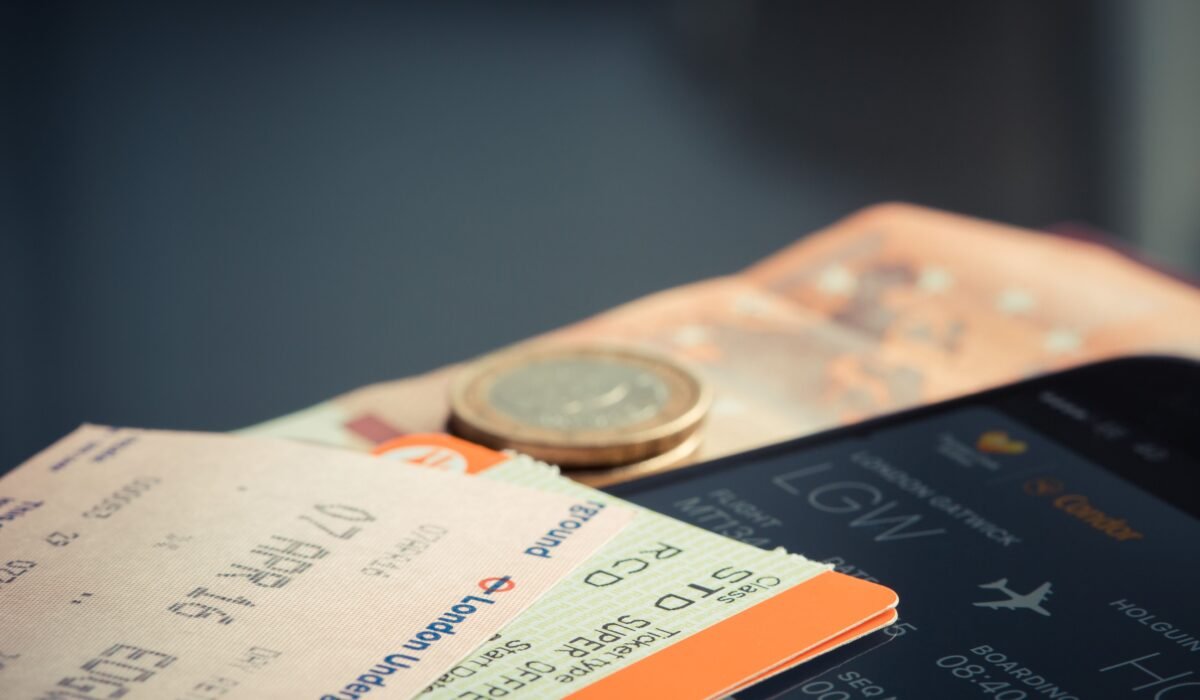
Understanding the intricate world of airline tickets is crucial for any traveler, and this comprehensive USA airline fare classes guide is designed to demystify the system for you. Many travelers book flights without fully grasping the hidden rules and benefits tied to their specific fare, leading to frustration when changes are needed or upgrades are desired. Our goal is to equip you with the knowledge to make smart booking decisions, understand your ticket’s true value, and navigate potential flight modifications with confidence.
Speak With A Flight Reservation Specialist
Need help with flight reservations, flight changes, cancellations, refund requests, missed flights, or last-minute bookings? Speak with a flight reservation specialist now.
📞 Call Now: +1 (844) 833-2075
- Flight Reservations
- Flight Changes
- Flight Cancellations
- Refund Assistance
- Last-Minute Bookings
- Travel Support
What Exactly Are USA Airline Fare Classes? A Comprehensive Guide
When you book a flight, you’re not just buying a seat; you’re purchasing a specific “fare class.” These classes are essentially codes (usually a single letter) that airlines use internally to categorize tickets based on their price, flexibility, and associated rules. Think of them as a secret language airlines use to manage inventory and pricing.
Every airline has its own system, but the core concept remains the same: different fare classes come with different perks and restrictions. For example, two passengers sitting next to each other in the same economy cabin might have paid vastly different prices and have different entitlements, all determined by their assigned fare class. This system allows airlines to offer a wide range of pricing options to consumers, from highly restrictive basic economy fares to fully flexible, refundable tickets.
Understanding the Fare Basis Code Meaning
A fare class is often part of a longer “fare basis code,” which is a detailed alphanumeric string that tells the airline everything about your ticket. While the single letter fare class determines the broad category, the full fare basis code can specify even more granular details, such as validity periods, seasonality, minimum/maximum stays, and whether the ticket is combinable with other fares. For example, ‘Y’ might be full-fare economy, but ‘YAP7’ could mean a specific advance purchase Y-fare. Understanding the fare basis code meaning can reveal a lot about your ticket’s true nature.
Fare Class vs. Cabin Class: Understanding the Key Differences
This is where many travelers get confused. It’s crucial to distinguish between a “fare class” and a “cabin class,” as they are not the same thing. While related, they represent different aspects of your travel experience.
Cabin Class: Your Physical Seat Location
Cabin class refers to the physical section of the aircraft where you’ll be seated. This is the more obvious distinction travelers recognize: Economy, Premium Economy, Business Class, and First Class. Each cabin offers a different level of comfort, service, and amenities. For instance, a First Class cabin typically features lie-flat seats and gourmet meals, while an Economy cabin provides standard seating and basic service.
Fare Class: The Rules and Restrictions of Your Ticket
In contrast, fare class dictates the specific rules, price, and benefits associated with your ticket within a given cabin. Within a single cabin class, like Economy, there can be dozens of different fare classes. For example, an Economy cabin might contain ‘Y’ (full-fare, flexible), ‘K’ (mid-tier, some restrictions), and ‘N’ (basic economy, highly restrictive) fare classes. All these passengers are in the same physical cabin, but their tickets come with vastly different terms, impacting things like upgrades, mileage earning, and change fees. This distinction is key for anyone looking for a comprehensive USA airline fare classes guide.
How to Find Your Airline Fare Class (and What the Codes Mean)
Identifying your fare class is simpler than you might think, though airlines don’t always make it prominent. Knowing this code can be incredibly empowering, especially when you need to make changes or understand your ticket’s benefits.
Where to Locate Your Fare Class
You can usually find your fare class in a few key places:
- On Your E-Ticket Confirmation: After booking, your e-ticket receipt or confirmation email will often list a single letter or a short alphanumeric code next to your flight details. This is your fare class or the beginning of your fare basis code.
- Airline Website (Manage Booking): When you log in to “Manage My Booking” on the airline’s website, your fare class might be displayed under ticket details or fare rules.
- Third-Party Booking Sites: Some online travel agencies (OTAs) will show the fare class during the booking process or on your confirmation. However, it’s often more visible directly on the airline’s site.
- Ask Customer Service: If you can’t find it, a quick call to the airline’s customer service with your reservation code will yield the information.
Understanding these airline booking codes is essential for managing your travel effectively.
Common USA Airline Fare Class Codes and Their Implications
While codes vary by airline, some general patterns exist. We’ve seen a structural shift where ancillary income streams are increasingly critical for profitability, as noted by Jason Kramer of FCM Consulting. This is why understanding your specific fare class is more important than ever.
* Y, B, M: Often represent full-fare economy benefits. These are typically the most expensive but offer maximum flexibility, full mileage earning, and higher priority for upgrades.
* H, Q, V, W, S, T, L, K, G: These are typically mid-tier to deep-discounted economy fares. They come with increasing restrictions as you move down the alphabet. Mileage earning might be reduced, and upgrade eligibility could be lower or require co-pays.
* N: Commonly used for basic economy restrictions. These are the cheapest, most restrictive fares. They often come with no seat selection, no changes, no refunds (beyond the 24-hour rule), and significantly reduced or no mileage earning. For a deeper dive, check out our USA Basic Economy: What To Know (2024-2026 Guide).
* W, P: Often designate Premium Economy. These offer more space and amenities than standard economy.
* J, C, D, Z: Generally signify Business Class fares, with varying levels of flexibility and pricing.
* F, A: Typically represent First Class fares, with F being full-fare and A often a discounted First Class.
Speak With A Flight Reservation Specialist
Need help with flight reservations, flight changes, cancellations, refund requests, missed flights, or last-minute bookings? Speak with a flight reservation specialist now.
📞 Call Now: +1 (844) 833-2075
- Flight Reservations
- Flight Changes
- Flight Cancellations
- Refund Assistance
- Last-Minute Bookings
- Travel Support
How Do USA Airline Fare Classes Affect Upgrades, Miles & Flexibility? Your USA Airline Fare Classes Guide
The impact of your fare class extends far beyond the price you pay. It directly influences key aspects of your travel experience, from how easily you can change your flight to how many frequent flyer miles you earn. This is a critical section of any USA airline fare classes guide.
Airline Upgrade Eligibility
Your fare class is a primary determinant of airline upgrade eligibility.
- Higher Fare Classes (Y, B, M): These typically have the highest priority for complimentary upgrades (for elite members) and are often eligible for upgrade certificates or mileage upgrades with minimal or no co-pay.
- Mid-Tier Fare Classes (H, Q, V): Elite members may still be eligible for complimentary upgrades, but they might clear closer to departure, or require a co-pay for mileage upgrades.
- Basic Economy (N, E): Almost universally, basic economy fares are not eligible for upgrades, even for top-tier elite members. This is a significant restriction to consider. For more on this, consult our USA Airline Upgrade Policies: Your Strategic Guide.
Airlines unbundle services to generate more revenue, with ancillary revenue projected to reach $157 billion in 2025, according to IdeaWorksCompany. This means upgrades often come at a premium or are reserved for specific fare classes.
Mileage Earning by Fare Class
The number of frequent flyer miles or loyalty points you earn is directly tied to your fare class. This is known as mileage earning by fare class.
- Full-Fare Economy & Premium Cabins: Generally earn the most miles, often 100% or more of the distance flown, sometimes even a bonus percentage. For example, American Airlines’ Y/B fares can earn 150% miles.
- Mid-Tier Economy Fares: Typically earn 50-100% of the distance flown.
- Deep-Discounted & Basic Economy Fares: These earn significantly fewer miles, sometimes as low as 0-25% of the distance, or even no miles at all. Delta’s “Basic” experience tiers, for instance, offer lower SkyMiles earning.
If maximizing your airline miles is a priority, paying attention to the fare class is non-negotiable. This is a key strategy for maximizing airline miles fare class benefits.
Ticket Flexibility Options
This is perhaps one of the most significant differentiators. Airline fare class flexibility varies wildly.
- High Flexibility (Y, B, M): These fares are often fully refundable, allow free changes, and can be easily rebooked. They represent the highest tier of ticket flexibility options.
- Moderate Flexibility (H, Q, V): Changes are usually permitted for a fee plus any fare difference. Refunds might be issued as flight credits.
- Low Flexibility (N, E, etc.): Basic economy restrictions mean these tickets are typically non-changeable and non-refundable, except within the 24-hour rule or if the airline initiates a change. For comprehensive details, see our USA Airline Refund Policies 2024: Your Rights Guide.
Knowing your flight change policy by fare class upfront can save you significant money and stress if your plans change.
Strategic Booking: Choosing the Best Fare Class for Changes & Value
Booking a flight isn’t just about finding the lowest price; it’s about finding the best value for your specific travel needs. Our Travel Support Team emphasizes that a truly smart booking considers potential future scenarios. This involves understanding USA airline fare types and making an informed choice.
Assessing Your Travel Needs vs. Fare Class Benefits
Before clicking “book,” take a moment to consider how likely your plans are to change.
- If your travel dates are firm and you don’t anticipate any changes: A basic economy or deep-discounted fare might be the most economical choice. Just be aware of the basic economy restrictions, such as limited baggage, no seat selection, and zero flexibility.
- If there’s a moderate chance of changes: A mid-tier economy fare (like a Main Cabin fare with American or a Classic experience with Delta) often strikes a good balance. You might pay a small change fee, but the overall cost could still be less than a full-fare ticket.
- If flexibility is paramount: Opt for a full-fare economy (Y, B, M) or a higher-tier “experience” like Delta’s “Extra” option. These tickets offer the most robust airline fare class flexibility, often allowing free changes, refunds, and better upgrade chances. While more expensive, the peace of mind can be invaluable.
The US Department of Transportation (DOT) advises travelers to understand ticket restrictions, reinforcing the need to choose wisely based on your expected flexibility.
Comparing Basic Economy vs. Main Cabin
This is a frequent dilemma for travelers.
- Basic Economy: As seen with American Airlines’ Basic Economy or United’s ‘N’ fare, these are the cheapest entry points. They come with significant trade-offs: no advance seat selection (seats assigned at check-in), often no carry-on bag beyond a personal item, no changes, no refunds, and usually no mileage earning or upgrade eligibility.
- Main Cabin (Standard Economy): This typically refers to slightly higher economy fare classes (e.g., American’s M, H, L, K, E; United’s Q, V, W, S, T, L, K, G). While still in the economy cabin, these fares usually include advance seat selection, standard carry-on and checked baggage allowances (though fees may apply for checked bags), and allow changes for a fee. They also generally earn more miles and might be eligible for upgrades. The difference between basic economy vs main cabin can be substantial in terms of your travel experience and options.
Our advice: Always read the fare rules carefully before booking, especially when choosing between Basic Economy and Main Cabin.
Speak With A Flight Reservation Specialist
Need help with flight reservations, flight changes, cancellations, refund requests, missed flights, or last-minute bookings? Speak with a flight reservation specialist now.
📞 Call Now: +1 (844) 833-2075
- Flight Reservations
- Flight Changes
- Flight Cancellations
- Refund Assistance
- Last-Minute Bookings
- Travel Support
Navigating Flight Changes & Cancellations Based on Your Fare Class
Understanding your fare class is paramount when facing unexpected changes to your travel plans. The rules governing modifications and refunds are almost entirely dictated by the specific fare class you purchased. This is where the intricacies of a USA airline fare classes guide truly come into play.
Voluntary Flight Changes: What to Expect
If you need to change your flight voluntarily, your fare class determines the associated costs and possibilities.
- Highly Flexible Fares (e.g., Y, B, M): These typically allow free changes. You might only pay the difference if the new flight’s fare class is more expensive. This is a key benefit of full-fare economy benefits.
- Mid-Tier Fares (e.g., H, Q, V): Expect a change fee, which can range from $75 to $200+ for domestic flights, plus any fare difference. Our USA Airline Change Fees 2024: Compare Major Carriers provides more detail on common fees.
- Basic Economy Fares (e.g., N, E): These are usually non-changeable. Some airlines might allow a change for a very high fee, often making it more cost-effective to buy a new ticket.
Always check the specific flight change policy by fare before attempting to modify your booking. This knowledge can help you avoid airline change fees.
Involuntary Changes & Cancellations: Your Rights
When the airline initiates a change (e.g., schedule change, cancellation), your rights are generally protected by DOT regulations, regardless of your fare class. However, your fare class can still subtly influence your rebooking options.
- Airline-Initiated Cancellations/Significant Schedule Changes: The airline must offer you a refund or rebook you on an alternative flight at no additional cost, even if it’s a basic economy ticket. Your original fare class doesn’t restrict these rights.
- Rebooking Options: While you’re entitled to rebooking, passengers on higher fare classes might have more leverage or priority when negotiating for specific alternative flights, especially if the original flight was oversold or significantly delayed. For more on your rights, see our USA Airline Compensation for Delays: Rights Guide.
In practice, knowing your fare class can help you understand what the airline *should* offer you versus what they are legally obligated to provide.
Empowering Your Travel: Using Fare Class Knowledge with Customer Service
When dealing with airline customer service, knowledge is power. Our Travel Support Team has found that travelers who understand their fare class can advocate for themselves more effectively and achieve better outcomes. This is a key insight for any comprehensive USA airline fare classes guide.
When to Reference Your Fare Class
Knowing your fare class becomes particularly useful in several scenarios:
- Requesting a Change or Refund: When discussing a flight change or cancellation, stating your fare class upfront can speed up the process. It immediately tells the agent what rules apply to your ticket, preventing them from having to look it up.
- Inquiring About Upgrades: If you’re an elite member or have upgrade certificates, mentioning your fare class helps the agent quickly determine your airline upgrade eligibility and priority.
- Disputing a Fee: If you believe a change fee or baggage fee is incorrect, referencing your fare class and its associated rules can help you make a stronger case. For instance, if you have a full-fare ticket that allows free changes, you can point to that specific benefit.
- Understanding Mileage Earning: If your frequent flyer miles haven’t posted correctly, providing your fare class can help the airline investigate why the expected miles weren’t credited. This is crucial for maximizing airline miles fare class benefits.
In our experience, being specific and informed helps customer service agents assist you more efficiently.
Navigating Complex Situations
Sometimes, situations are ambiguous, such as a minor schedule change that doesn’t trigger a full refund but still impacts your connection.
- Leveraging Flexibility: If you have a higher fare class, you might be able to negotiate for a more favorable rebooking option or a waiver of fees, even if the airline’s standard policy wouldn’t normally allow it.
- Citing Policy Exceptions: While basic economy tickets are very restrictive, in cases of significant airline-initiated disruptions, knowing your legal rights (often tied to a general flight change policy by fare class but overridden by DOT rules) can still help you get a refund or rebooking.
Having a copy of your e-ticket with the fare class visible when you call customer service can be incredibly helpful. For more tips on interacting with airlines, refer to our USA Airline Customer Service Guide: Expert Contact & Support.
Speak With A Flight Reservation Specialist
Need help with flight reservations, flight changes, cancellations, refund requests, missed flights, or last-minute bookings? Speak with a flight reservation specialist now.
📞 Call Now: +1 (844) 833-2075
- Flight Reservations
- Flight Changes
- Flight Cancellations
- Refund Assistance
- Last-Minute Bookings
- Travel Support
Frequently Asked Questions
What is fare class on an airline ticket?
Fare class on an airline ticket is a single-letter code (or part of a longer fare basis code) that airlines use to categorize tickets based on their specific rules, price, and associated benefits. It dictates aspects like flexibility, upgrade eligibility, and mileage earning, even for passengers in the same physical cabin.
What is the difference between fare class and cabin class?
Cabin class refers to the physical section of the aircraft you’re seated in (e.g., Economy, Business, First Class), defining comfort and service level. Fare class, however, is a deeper classification within a cabin, determining the specific rules, restrictions, and perks (like change fees, refunds, or mileage earning) tied to your ticket.
How do I find my fare class?
You can typically find your fare class on your e-ticket confirmation email or receipt, usually listed as a single letter or a short code next to your flight details. It may also be visible when you access your booking on the airline’s website under “Manage My Booking” or by calling airline customer service.
Do airline fare classes affect upgrades?
Yes, airline fare classes significantly affect upgrade eligibility and priority. Higher fare classes (e.g., full-fare economy) generally have better chances for complimentary or mileage upgrades, while lower-tier and basic economy fares are often ineligible for upgrades, even for elite frequent flyers.
Speak With A Flight Reservation Specialist
Need help with flight reservations, flight changes, cancellations, refund requests, missed flights, or last-minute bookings? Speak with a flight reservation specialist now.
📞 Call Now: +1 (844) 833-2075
- Flight Reservations
- Flight Changes
- Flight Cancellations
- Refund Assistance
- Last-Minute Bookings
- Travel Support
Mastering the complexities of airline fare classes is a valuable skill that empowers you to be a smarter, more confident traveler. By understanding what your ticket truly entails, you can make informed decisions that align with your budget and flexibility needs. Use this USA airline fare classes guide to navigate the booking process, anticipate potential changes, and maximize your travel benefits, ensuring a smoother journey every time you fly.
Speak With A Flight Reservation Specialist
Need help with flight reservations, flight changes, cancellations, refund requests, missed flights, or last-minute bookings? Speak with a flight reservation specialist now.
📞 Call Now: +1 (844) 833-2075
- Flight Reservations
- Flight Changes
- Flight Cancellations
- Refund Assistance
- Last-Minute Bookings
- Travel Support