
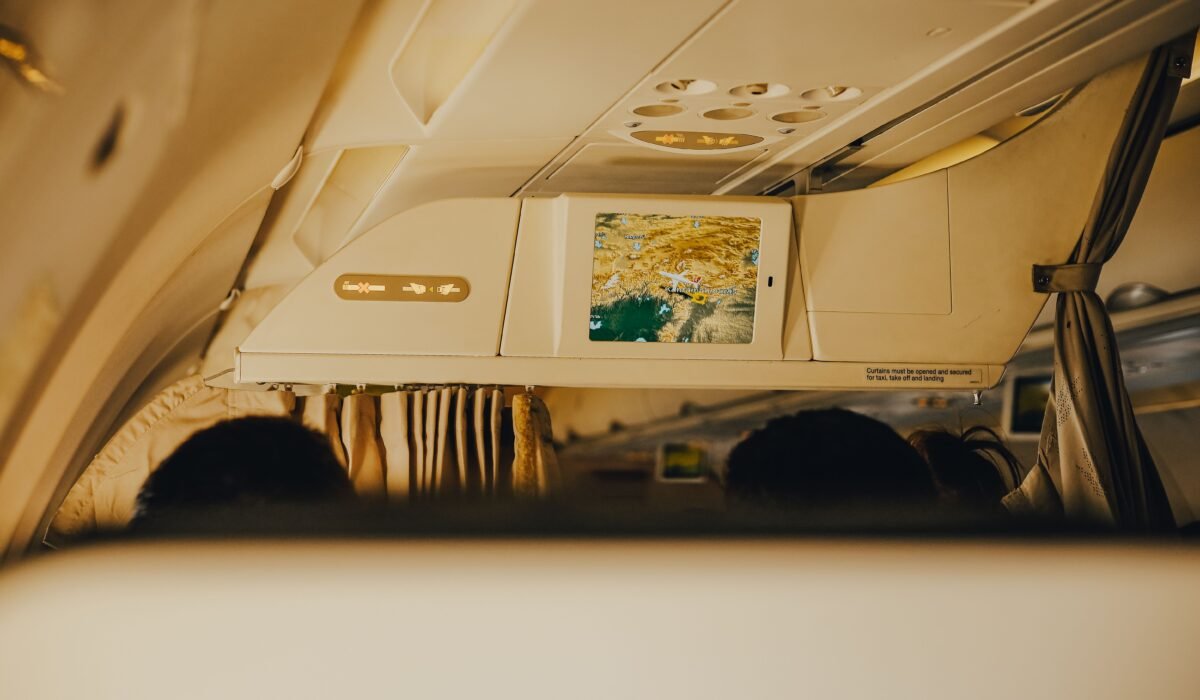
When it comes to choosing best airline seats, the difference between a cramped, uncomfortable journey and a pleasant, productive flight often lies in understanding how to navigate seating charts and airline policies. As part of the Travel Support Team, we know that selecting the right seat is crucial for an enjoyable experience, especially on longer routes within the USA.
Speak With A Flight Reservation Specialist
Need help with flight reservations, flight changes, cancellations, refund requests, missed flights, or last-minute bookings? Speak with a flight reservation specialist now.
- Flight Reservations
- Flight Changes
- Flight Cancellations
- Refund Assistance
- Last-Minute Bookings
- Travel Support
How to Read an Airline Seating Chart Effectively?
Reading an airline seating chart might seem straightforward, but there’s a lot of hidden information that can impact your comfort. These charts, often found during the booking process or on third-party sites, are visual representations of the aircraft’s cabin layout, showing rows, seats, and amenities.
The key is to understand the symbols and color codes. Typically, available seats are green or white, occupied seats are gray, and premium or extra-legroom seats are often highlighted in blue or yellow. Look for indicators of restrooms, galleys, emergency exits, and bassinet positions, as these can affect noise levels and foot traffic.
Pay close attention to details like airline seat pitch, which is the distance from a point on one seat to the same point on the seat in front of it. While not always explicitly shown on basic charts, understanding typical pitch for your airline and aircraft type is vital. You can often find this data on specialized seat mapping tools, which we’ll discuss shortly.
What is the Best Seat to Choose on a Plane?
When it comes to choosing best airline seats, there’s no single “best” option; it truly depends on your priorities. A 2024 survey by Upgraded Points revealed that 66.6% of passengers prefer a window seat, while 31.7% opt for an aisle. Only a tiny 1.7% favor the middle seat.
However, beyond personal preference, certain seats offer distinct advantages:
- Exit Row Seats: These are highly sought after for their significantly increased legroom, making them ideal for taller passengers or those who appreciate stretching out. Be aware, though, that you must be able-bodied and willing to assist in an emergency, and these seats often come with restrictions (e.g., no under-seat storage during takeoff/landing).
- Bulkhead Seats: Located at the very front of a cabin section (e.g., behind a wall separating classes or galleys), bulkhead seats also offer ample legroom as there’s no seat in front of you. They can be great for families needing a bassinet or those wanting to avoid reclining seats, but they lack under-seat storage and may have a wall too close for comfort for some.
- Window vs. Aisle: Window seats offer views and a wall to lean on for sleep, plus fewer disturbances from other passengers. Aisle seats provide easy access to restrooms and the ability to stretch your legs in the aisle, but you might be bumped by passing carts or passengers.
Ultimately, the best seat aligns with your specific needs for the flight, whether it’s maximum space, convenience, or quiet.
Speak With A Flight Reservation Specialist
Navigating complex seat maps or airline policies can be tricky. For personalized assistance with your flight plans, including specific seat requests or changes, our experts are ready to help.
- Expert advice on seat selection
- Assistance with flight changes
- Help with last-minute bookings
- General travel support
Navigating Post-SeatGuru: Best Airline Seat Map Alternatives
For years, SeatGuru was the go-to resource for detailed airline seat maps and reviews, but its usefulness has declined significantly due to a lack of investment and updated information. As Brian Kelly, founder of The Points Guy, observed, its accuracy suffered. Fortunately, a new generation of seat mapping tools has emerged to fill this crucial gap, providing travelers with the information they need for informed seat selection.
Here are the best current alternatives for checking airline seat availability and details:
- AeroLOPA: This tool is highly praised for its exceptional accuracy. AeroLOPA provides to-scale diagrams based on official airline LOPA (Layout of Passenger Accommodations) documents. This means you get precise details, including exact window alignment, galley locations, and cabin features. As of 2026, it even offers a flight-number search feature for convenience.
- SeatMaps.com: Founded by Guinness World Record holder Fred Finn, SeatMaps.com offers color-coded seat maps, basic seat dimensions, and crowd-sourced ratings. It sometimes includes 3D cabin views, giving you a better sense of the space. It’s a strong alternative for quick, visual information.
- ExpertFlyer: While subscription-based, ExpertFlyer offers invaluable features for serious travelers. It provides real-time seat availability, allowing you to see which specific seats are open. More importantly, it can send you alerts when desired seats, such as exit row or bulkhead seats, become available, which is a game-changer for securing prime spots.
- AwardFares: This tool is particularly useful for those booking with points and miles, as it often integrates seat map information alongside award availability, helping you visualize your flight experience.
Using these tools allows you to go beyond the basic airline seat selection interface and make a truly informed decision about your comfort.
Finding the Most Comfortable Seat in Economy Class
Achieving economy seat comfort can feel like a challenge, but with the right strategy, you can significantly improve your experience. Beyond just legroom, consider factors like seat width, recline, and proximity to lavatories or galleys.
A July 2024 study by TRIPinfo.com found that JetBlue Airways leads U.S. airlines with an average economy seat pitch of 32.3 inches, making it a top contender for the best airline for legroom USA. Southwest Airlines follows closely at 31.8 inches. The Embraer 190 aircraft, often used by regional carriers, generally boasts the most legroom at 32.0 inches average seat pitch.
For maximizing comfort:
- Look for “Preferred” or “Economy Plus” seats: Many airlines offer these for an extra fee. They typically come with a few extra inches of pitch, which can make a huge difference on longer flights.
- Avoid the very last row: These seats often have limited or no recline due to the lavatory wall behind them. They are also close to the lavatories, which means more foot traffic and potential odors.
- Consider seats towards the front of the economy cabin: These seats often disembark faster and are quieter, further from the engine noise at the rear. However, they may also be closer to lavatories at the front of the economy section.
- Use an airline seat pitch comparison chart: Tools like AeroLOPA provide specific aircraft layouts and dimensions, helping you identify the best options for your chosen flight.
Remember that even a small difference in airline seat pitch can greatly affect your comfort, especially on longer journeys. Always compare what’s available for your specific aircraft type.
Personalized Seat Selection: Strategies for Every Traveler
Effective choosing best airline seats requires a personalized approach, as different travelers have different needs. What’s ideal for a business traveler might not suit a family with young children.
Here are strategies tailored to various traveler types:
- For Tall Passengers or Those Needing Space: Prioritize exit row seats or bulkhead seats. These offer superior legroom. If these aren’t available, look for airlines known for better legroom, such as JetBlue or Southwest, or consider upgrading to an “Economy Plus” type seat.
- For Business Travelers or Those Needing to Work: A window seat can offer fewer distractions, while an aisle seat allows easy movement without disturbing others. Choose a seat away from galleys and lavatories to minimize noise and traffic. Proximity to a power outlet is also a major plus.
- For Anxious Flyers: Seats over the wing tend to experience less turbulence. A window seat might offer a calming view, or an aisle seat could provide a sense of easier escape. Consider seats closer to the front for a quicker exit upon landing.
- For Families with Young Children: Bulkhead seats can be excellent if you need a bassinet or extra floor space for kids to play. Prioritize seats together, utilizing family seating policies. We’ll dive into this more in the next section.
- For Plus-Sized Passengers: An aisle seat provides the most flexibility for movement and a bit of extra shoulder room. Bulkhead or exit row seats also offer more overall space. Consider purchasing an extra seat if comfort is paramount and the budget allows.
Brian Kelly of The Points Guy advises travelers to “choose your seat in advance to avoid getting bumped, but check 24 hours before departure to see if a better seat has opened up.” This proactive approach is key to securing your preferred spot.
Speak With A Flight Reservation Specialist
Facing a last-minute flight change or need to adjust your seat assignment? Our dedicated team can help you navigate airline policies and secure the best possible outcome for your travel plans.
- Assistance with seat changes
- Understanding airline policies
- Help with family seating requests
- Support for complex itineraries
Understanding Airline Policies: Family Seating & Seat Changes
Airline policies regarding seat selection, especially for families and seat changes, are constantly evolving. It’s crucial to understand these rules to avoid unexpected fees or separation from your travel companions.
Family Seating Policies
The U.S. Department of Transportation (DOT) is actively working to guarantee free family seating for children under 12 next to an accompanying adult. Many airlines have already adapted:
- United Airlines: As of 2024, United allows up to two children under 12 to sit next to an adult family member for free, even if it means opening up “preferred” seats. This is a significant step towards stress-free family travel.
- Other US Airlines: While not all airlines have identical policies, many are moving towards guaranteeing adjacent seats for families, often by blocking off certain seats or allowing agents to override paid seat assignments if necessary. Always check the specific family seating policy US airlines have for your chosen carrier.
My advice is always to book as early as possible and select your seats immediately. If you can’t find adjacent seats, contact the airline’s customer service directly.
Seat Changes and Flexibility
Even after selecting a seat, you might want to change it. This is often possible, but policies vary:
- Pre-Departure Changes: Many airlines allow you to change your seat for free if another standard seat is available. If you want to upgrade to a preferred, exit row, or bulkhead seat, you’ll likely incur a fee.
- Gate Changes: Sometimes, better seats (like exit rows) open up closer to departure. Brian Kelly suggests checking 24 hours before your flight. You can often change your seat at the gate, sometimes for free if it’s an operational necessity or a last-minute open premium seat.
- Flight Changes: If you change your flight, your seat assignment will likely be canceled, and you’ll need to re-select on the new flight. Be mindful of potential US airline flight change fees and how they might impact your overall seating cost.
Remember that 78% of passengers desire clear and detailed information regarding in-flight comfort, punctuality, and onboard amenities by 2026. This trend pushes airlines to be more transparent about their seating options and policies.
Which Seat is Best for Less Turbulence on a Plane?
For passengers concerned about turbulence, selecting the right seat can make a noticeable difference in perceived bumpiness. The general rule of thumb for minimizing the sensation of airplane turbulence seats is to choose a seat over the wing.
Here’s why:
- Center of Gravity: The wings are typically located near the aircraft’s center of gravity. Just like a seesaw, the closer you are to the pivot point, the less movement you’ll experience when it tips.
- Structural Stability: The wings are the strongest part of the aircraft’s structure, designed to withstand immense forces. Sitting near them provides a more stable ride compared to the very front or back of the plane, which can feel more like the ends of that seesaw, experiencing greater up-and-down motion.
While no seat can eliminate turbulence entirely, as it’s a natural atmospheric phenomenon, those over the wing tend to offer the smoothest ride. If you’re an anxious flyer or prone to motion sickness, aiming for a seat in this section is a smart strategy.
How Technology is Changing Choosing Best Airline Seats
Technology is rapidly transforming the process of choosing best airline seats, making it more informed, personalized, and even proactive. From sophisticated seat mapping tools to airline-specific app features, travelers now have unprecedented access to information and control over their in-flight experience.
Here’s how technology is making a difference:
- Advanced Seat Mapping Tools: As discussed with AeroLOPA and SeatMaps.com, these platforms leverage detailed aircraft data and crowd-sourced information to provide highly accurate and visual seat maps, far beyond what airlines typically offer. They help you understand seat pitch, width, recline, and proximity to various cabin features.
- Real-time Availability & Alerts: Services like ExpertFlyer allow travelers to monitor flight seat availability in real-time. You can set alerts for specific desired seats (e.g., an empty exit row or a window seat in a particular section) and be notified immediately when they become free. This is invaluable for securing last-minute upgrades or better comfort.
- Airline Apps with Enhanced Features: Airlines are investing in their own apps to improve the passenger experience. For example, United Airlines rolled out a free preferred seat waiting list feature on its app in 2024. This automatically assigns preferred seats if they become available, taking the stress out of constant checking. Many apps now allow you to view detailed seat maps, compare seat options, and even manage preferences for future flights.
- Personalized Recommendations: Future innovations may include AI-driven recommendations based on your travel history, preferences, and even biometric data, suggesting the ideal seat for you before you even search.
The global aircraft seating market is projected to reach USD 11.44 billion by 2030, growing at a CAGR of 6.5% from 2024, with North America holding a significant share. This growth signals continued innovation in seat design and technology, further enhancing the options available for travelers.
Speak With A Flight Reservation Specialist
Navigating airline websites and apps for the perfect seat can be time-consuming. Let our experts handle the details for you, ensuring your travel preferences are met.
- Assistance with advanced seat mapping tools
- Setting up seat availability alerts
- Utilizing airline app features
- General flight reservation support
Frequently Asked Questions
How do you read an airline seating chart?
To read an airline seating chart, look for symbols indicating seat type (window, aisle, middle), amenities (lavatories, galleys, exits), and color codes for availability or premium status. Familiarize yourself with the aircraft type and cross-reference with third-party seat mapping tools for details like seat pitch and width. Understanding these elements helps you identify seats that best meet your comfort needs.
What is the best seat to choose on a plane?
The best seat to choose on a plane depends on your personal priorities. Exit row and bulkhead seats offer maximum legroom, while seats over the wing provide the smoothest ride during turbulence. Window seats are ideal for views and leaning, while aisle seats offer easy access to the aisle and restrooms. Consider your needs for space, quiet, and movement when making your selection.
Which seat is best in a plane for less turbulence?
For less turbulence, the best seats are typically located over the wing of the aircraft. This area is closest to the plane’s center of gravity and its strongest structural point, resulting in less up-and-down motion compared to seats at the front or very back of the cabin. Choosing a seat in this section can significantly reduce the sensation of bumpiness during your flight.
Are airline seat maps accurate?
Airline seat maps provided during booking are generally accurate regarding the layout and availability of seats. However, they often lack detailed information on seat dimensions like pitch and width, or proximity to galleys and lavatories. For more precise and comprehensive data, it’s best to consult specialized third-party seat mapping tools like AeroLOPA or SeatMaps.com, which offer more in-depth diagrams and reviews.
Speak With A Flight Reservation Specialist
Don’t leave your comfort to chance. For expert guidance on finding the perfect seat and handling any flight-related queries, reach out to our team.
- Personalized seat recommendations
- Assistance with complex bookings
- Real-time travel support
- Ensuring a comfortable flight experience
Ultimately, mastering the art of choosing best airline seats transforms your flight from a mere journey into a comfortable and enjoyable part of your travel experience. By understanding seating charts, leveraging modern mapping tools, and considering your personal needs, you can consistently secure the ideal spot. Don’t settle for a random seat when a little research can make all the difference for your next USA flight.
Speak With A Flight Reservation Specialist
Ready to book your next flight with confidence, knowing you’ll have the best seat? Contact us today for comprehensive support with all your flight reservation needs.
- Flight Reservations
- Flight Changes
- Flight Cancellations
- Refund Assistance
- Last-Minute Bookings
- Travel Support