
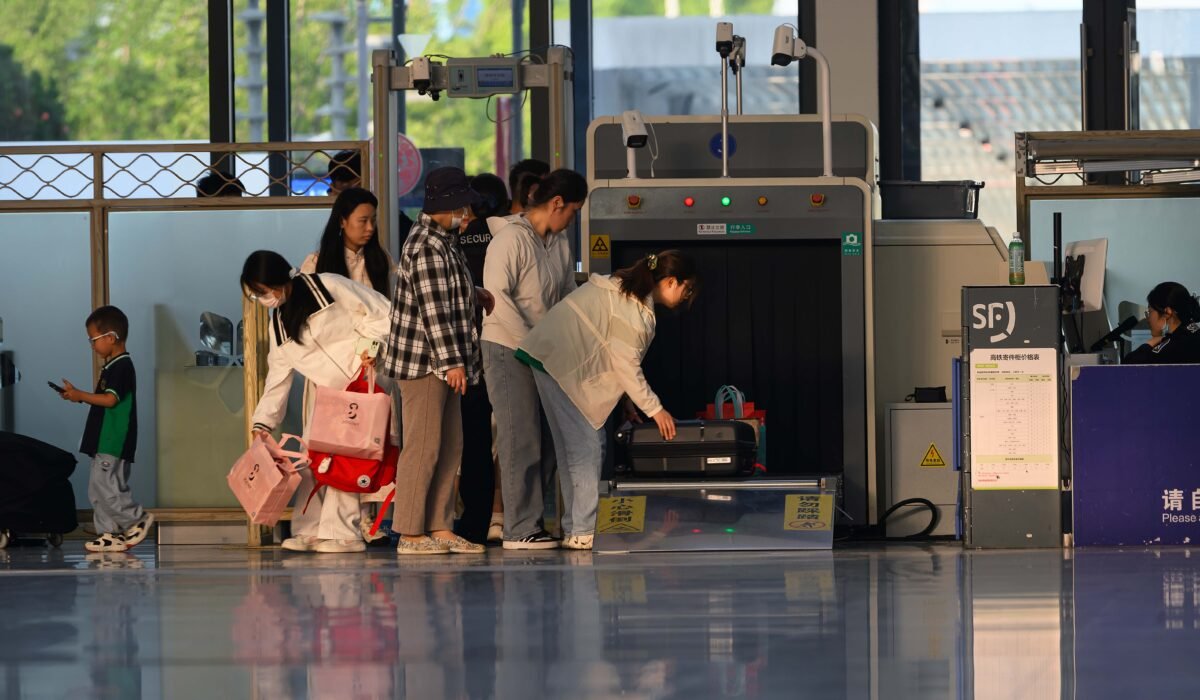
Navigating airport security can often feel like a daunting task, but with the right airport security tips for travelers, you can ensure a smooth, stress-free start to your journey. We understand the common anxieties around security checkpoints, from understanding liquid rules to knowing what can stay in your bag, and this guide is designed to equip you with practical advice to breeze through the process.
Speak With A Flight Reservation Specialist
Need help with flight reservations, flight changes, cancellations, refund requests, missed flights, or last-minute bookings? Speak with a flight reservation specialist now.
- Flight Reservations
- Flight Changes
- Flight Cancellations
- Refund Assistance
- Last-Minute Bookings
- Travel Support
How to Prepare for Airport Security Screening
Effective preparation is the cornerstone of a swift airport screening process. By getting organized before you even leave home, you can significantly reduce your time at the checkpoint and minimize potential hiccups. This proactive approach is one of the best airport security tips for travelers aiming for efficiency.
Pre-Screening Checklist for Your Carry-On Luggage
Your carry-on luggage is where most of your security preparation will focus. Knowing what to pack, and more importantly, how to pack it, can make all the difference. Always check the TSA website for the most current guidelines before flying.
- Documents Ready: Have your boarding pass and a valid ID (like a REAL ID-compliant driver’s license or passport) easily accessible. You’ll need it for the initial identity check.
- Electronics Organized: Laptops, tablets, and other large electronics generally need to be removed from your carry-on for traditional X-ray scanners. Place them in a separate bin for easy access.
- Liquids in a Ziploc: Adhere to the TSA’s 3-1-1 rule for liquids, aerosols, and gels (LAGs). All containers must be 3.4 ounces (100 milliliters) or less, fit in one quart-sized bag, and be limited to one bag per passenger.
- Empty Pockets: Before you get to the front of the line, empty your pockets into your carry-on bag or a designated bin. This includes keys, wallets, phones, and loose change.
What to Wear to Airport Security
Your attire can also impact how quickly you move through security. Simplistic clothing choices often lead to fewer secondary screenings. As international aviation lawyer Anton Radchenko advised in 2025, it’s best to stay away from bulky clothing or anything with a lot of metal, including heavy jewelry, to avoid additional checks.
- Minimal Metal: Opt for shoes without large metal shanks, belts with simple buckles, and minimal jewelry.
- Easy On/Off Shoes: Slip-on shoes are a traveler’s best friend, especially if you’re not enrolled in TSA PreCheck.
- Light Outerwear: Jackets, hoodies, and bulky sweaters often need to be removed and placed in a bin.
- Appropriate Attire: Radchenko also warned against wearing shirts with offensive or politically charged messages, as TSA officers are permitted to question passengers based on their attire.
Understanding New Airport Security Technologies
Airport security is constantly evolving, with new technologies aimed at enhancing both safety and efficiency. Understanding these advancements can help you navigate the airport screening process with greater confidence and potentially faster. For example, the global airport security market was valued at USD 19.9 billion in 2025 and is projected to grow significantly by 2035, with screening technologies making up a large segment.
Biometric Screening and Facial Recognition
Biometric screening, primarily through facial recognition, is increasingly becoming the future of airport security. Dr. Sheldon Jacobson, a computer science professor, notes that it enhances both speed and safety. This technology is used to confirm your identity against your travel documents, often at initial checkpoints.
- How it Works: Your face is scanned and compared to your passport photo or other government-issued ID.
- Data Privacy: Dr. Jacobson emphasizes that the data used for facial recognition is typically deleted right after use, addressing common privacy concerns.
- Benefits: According to a September 2024 Ipsos poll, 79% of air travelers support the use of biometrics at TSA security checkpoints, recognizing its role in verifying traveler identity for security.
Advanced CT Scanners for Carry-On Bags
Many airports are upgrading to advanced 3D X-ray scanners, often referred to as CT scanners, for carry-on luggage. These machines provide a much more detailed view of your bag’s contents, which can significantly speed up the process.
- What’s Different: With CT scanners, you often don’t need to remove laptops, tablets, or even 3-1-1 compliant liquids from your bag. This is a major change from traditional X-ray machines.
- Check Your Airport: Not all airports have these yet, so it’s always best to check your specific airport’s guidelines or look for signage at the checkpoint.
- Potential Future: Aviation expert Gary Leff expressed in 2025 that he’d “love to see the liquid ban dropped” given the advancements in CT scanning technology.
The Fastest Ways to Get Through Airport Security
For many travelers, the question isn’t just “how to get through,” but “what is the fastest way to get through airport security?” The good news is there are several programs and strategies designed to expedite your journey through the checkpoint, especially useful given the record numbers of passengers screened by TSA, reaching 906.7 million individuals in 2025.
TSA PreCheck®: Expedited Screening
TSA PreCheck is a government program for pre-approved, low-risk travelers that offers expedited security screening. It’s a game-changer for many frequent flyers, with over 20 million members as of July 2026.
- Key Benefits: You can typically keep on your shoes, belts, and light jackets. Laptops and 3-1-1 compliant liquids can also remain in your bags.
- How to Enroll: The process involves an online application, a background check, and an in-person appointment for fingerprinting. The cost is typically $76.75 for a 5-year enrollment.
- Who Benefits Most: Ideal for domestic travelers who fly frequently and want a consistent, faster experience.
You can learn more and enroll at the TSA PreCheck official website.
CLEAR Plus: Bypassing the ID Check Queue
CLEAR Plus is a private service that uses biometric data (fingerprints and eye scans) to verify your identity. It allows members to bypass the initial ID check queue at participating airports and some venues, moving you directly to the physical screening line.
- How it Works: You use a dedicated lane where your biometrics confirm your identity, saving you time waiting for a TSA officer to check your ID.
- Combining with PreCheck: For the absolute fastest experience, many travelers combine CLEAR Plus with TSA PreCheck. CLEAR gets you to the front of the line, and PreCheck ensures a quick physical screening.
- Cost: A CLEAR Plus membership costs $209-$219 annually.
Speak With A Flight Reservation Specialist
Need help with flight reservations, flight changes, cancellations, refund requests, missed flights, or last-minute bookings? Speak with a flight reservation specialist now.
- Flight Reservations
- Flight Changes
- Flight Cancellations
- Refund Assistance
- Last-Minute Bookings
- Travel Support
What Not to Do at Airport Security Checkpoints
While knowing what to do is crucial, understanding what to avoid at airport security checkpoints is equally important for a smooth experience. Many delays and frustrations stem from common traveler mistakes or misunderstandings of regulations. Remember, TSA’s primary goal is security, and they screened a record 3.1 million people on the Sunday after Thanksgiving in 2024, showing the sheer volume of operations.
Don’t Bring Prohibited Items
This might seem obvious, but prohibited items are still commonly intercepted. TSA intercepted 6,678 firearms at checkpoints in 2024, with 94% of them loaded, highlighting the serious nature of these rules. Always double-check your carry-on for any items that aren’t allowed.
- Firearms & Weapons: Never carry firearms, ammunition, or realistic replicas in your carry-on. If you must travel with a firearm, it needs to be declared and transported in checked luggage, unloaded, and in a locked, hard-sided container.
- Sharp Objects: Knives, box cutters, razor blades (except safety razors), and large scissors are prohibited in carry-on bags.
- Flammables & Explosives: Lighters (other than one common lighter), fireworks, and explosive materials are strictly forbidden.
- Oversized Liquids: Ignoring the 3-1-1 rule for liquids, aerosols, and gels will result in confiscation. Even seemingly innocent items like soup or glow sticks count as liquids.
Avoid Disruptive or Suspicious Behavior
TSA officers are trained to observe behavior, and certain actions can lead to additional screening or questioning. Cooperation and a calm demeanor are always your best approach.
- Joking About Security: Never make jokes about bombs, weapons, or other threats. Security personnel take all such statements seriously, and it can lead to severe consequences, including arrest.
- Arguing with Officers: While you have rights, it’s best to address concerns politely and professionally. Confrontational behavior can escalate a situation unnecessarily.
- Leaving Bags Unattended: Always keep an eye on your belongings, especially as they go through the X-ray machine. Unattended bags are a security risk and can cause alerts.
- Hiding Items: Attempting to conceal prohibited items will lead to delays, fines, and potentially missing your flight. Transparency is key.
Essential Airport Security Tips for International Travelers
For those venturing beyond domestic borders, international travel introduces an additional layer of complexity to airport security. Beyond TSA regulations, you’ll also interact with Customs and Border Protection (CBP), which has its own set of rules and procedures. These airport security tips for travelers heading abroad are crucial for a smooth entry and exit.
Understanding Customs and Border Protection (CBP)
When arriving in the U.S. from an international destination, you’ll go through CBP, not just TSA. Their focus is on immigration, customs declarations, and preventing the entry of prohibited or restricted items into the country.
- Passport & Visa Ready: Ensure your passport is valid for at least six months beyond your planned stay, and have any necessary visas or ESTA approval readily available.
- Customs Declaration: Be honest and accurate on your customs declaration form regarding items you’re bringing into the U.S. This includes food, alcohol, tobacco, and currency above a certain amount.
- Prohibited & Restricted Items: CBP has strict rules on items like certain agricultural products, meats, and medications. For instance, many fresh fruits, vegetables, and certain plant materials are prohibited to prevent the spread of pests and diseases. Always check the CBP website before you travel.
- Global Entry: Similar to TSA PreCheck, Global Entry is a CBP program that allows expedited clearance for pre-approved, low-risk travelers upon arrival in the United States. It includes TSA PreCheck benefits.
Preparing for Re-screening
Often, after clearing CBP upon international arrival, you may need to re-check luggage and go through TSA security again before connecting to a domestic flight. This can be a point of confusion and delay.
- Allow Extra Time: Factor in ample time for both CBP processing and potential re-screening, especially during peak airport security wait times.
- Repack Smartly: If you picked up items at duty-free or retrieved checked luggage for customs, be mindful of TSA carry-on rules when repacking for your connecting flight.
- Stay Informed: Be aware that some items allowed through customs might still be prohibited by TSA for your next flight (e.g., duty-free liquids purchased abroad that exceed the 3-1-1 rule if not sealed in a STEB bag).
For more comprehensive guidance on international journeys, refer to our Complete International Travel Checklist: Your Ultimate Guide.
Managing Stress and Preventing Theft at Airport Security
Airport security can be a high-stress environment, especially for new travelers or during peak travel periods. A 2024 Ipsos poll found that 59% of air travelers agreed that getting through airport security is “too much of a hassle.” Beyond the procedural aspects, managing your stress and protecting your valuables are crucial components of a positive experience.
Strategies for Stress Reduction
A calm mindset can help you navigate the process more effectively and make better decisions.
- Arrive Early: The single best way to reduce stress is to give yourself plenty of time. Rushing through security only heightens anxiety.
- Know the Rules: Being informed about what to expect and the current TSA rules eliminates much of the uncertainty.
- Visualize the Process: Mentally walk through the steps of removing shoes, electronics, and liquids. This helps you feel more prepared.
- Breathe and Be Patient: Security lines can be long, especially with 904 million passengers screened in 2024. Take deep breaths and remember that everyone is going through the same process.