
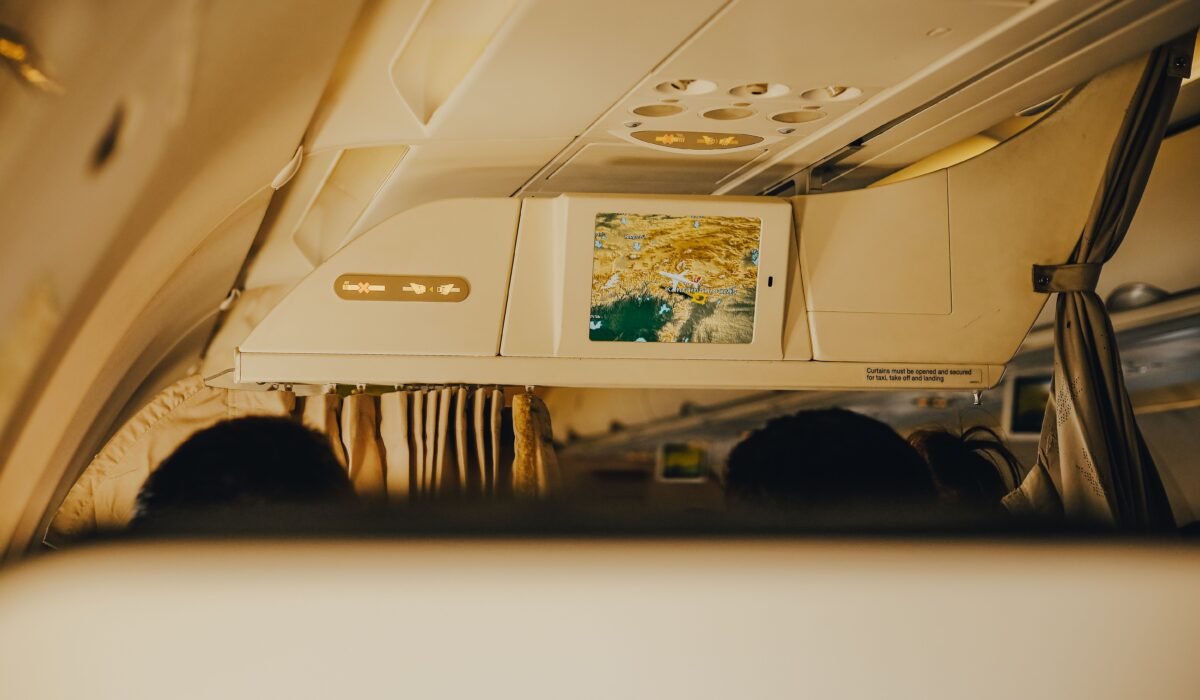
Navigating the complexities of air travel can be daunting, especially when it comes to securing your preferred spot on the plane. This comprehensive airline seat selection guide is designed to cut through the confusion, helping you understand how to choose the best airline seats for your comfort, needs, and budget. We’ll equip you with expert strategies and up-to-date information to ensure your next flight is as enjoyable as possible.
Speak With A Flight Reservation Specialist
Need help with flight reservations, flight changes, cancellations, refund requests, missed flights, or last-minute bookings? Speak with a flight reservation specialist now.
- Flight Reservations
- Flight Changes
- Flight Cancellations
- Refund Assistance
- Last-Minute Bookings
- Travel Support
How to Master Airline Seat Selection: A Step-by-Step Guide
Mastering your airline seat selection is about more than just picking a window or aisle. It involves understanding aircraft configurations, fare rules, and leveraging available resources. Our team, with extensive experience in flight reservations, knows that a proactive approach can significantly enhance your travel experience.
The first step in any effective airline seat selection guide is to know your aircraft. Even within the same airline, different versions of a Boeing 737 or an Airbus A321 can have wildly different seat pitch and width. Always check the specific aircraft type for your flight, as this detail profoundly impacts your comfort.
Understand Your Aircraft and Fare Type
- Aircraft Model: A Boeing 737 MAX 8 might offer different legroom or amenities than an older 737-800. Use your flight number to look up the exact aircraft.
- Airline Configuration: Airlines often customize their cabins. For example, American Airlines’ 787-8 might feature Safran Concept D business class seats on one route and Collins Super Diamond on another.
- Fare Class Restrictions: Basic Economy fares typically restrict seat selection, often assigning seats automatically 24-48 hours before departure. Upgrading your fare might unlock more choices.
Deciphering Airline Seat Maps
Learning how to read an aircraft seat map is crucial. These maps, available on airline websites and third-party tools, use symbols to indicate exits, galleys, lavatories, and often, seat features like limited recline or extra legroom. Pay close attention to these details, as they can make or break your comfort.
What most people miss is that the best seats aren’t always the most expensive. Sometimes, knowing where the galleys are can help you avoid noisy areas, or understanding where the wings are located can give you a smoother ride if you’re a nervous flyer. The Points Guy offers excellent resources on interpreting these maps effectively.
Which Airline Seats Are Best for Comfort, Safety & Legroom?
The “best” seat is highly subjective, depending on your priorities. However, there are general guidelines for maximizing comfort, safety, and legroom. Our insights, drawn from extensive research into airline policies and passenger feedback, highlight common preferences and practical considerations when choosing seats. This part of our airline seat selection guide focuses on popular choices and their trade-offs.
For Maximum Legroom: Exit Rows and Bulkhead Seats
- Exit Row Seats: These typically offer significantly more legroom, making them popular choices, especially for best airline seats long flights. However, passengers must be able-bodied and willing to assist in an emergency, adhering to strict exit row seat rules. They often come with a fee, averaging around $48 according to 2025 data.
- Bulkhead Seats: Located directly behind a physical divider (a bulkhead wall), these also provide extra legroom because there’s no seat in front to recline. The trade-offs include no under-seat storage during takeoff and landing, and tray tables are usually flimsy, folding out from the armrest. These are also the designated spots for bassinets, making them ideal for choosing seats with a baby.
The debate between bulkhead vs exit row often comes down to personal preference for storage access and tray table stability versus unrestricted legroom.
For Comfort and Stability: Over the Wing
For nervous flyers, seats located directly over the wings are often recommended. This section of the aircraft is the most structurally stable, experiencing the least turbulence. While it might obstruct your view, the smoother ride can be a significant comfort factor. This is a key piece of advice in any comprehensive how to choose airplane seat guide.
For a Quieter Experience: Front of the Cabin
Seats further forward in the cabin tend to be quieter, as they are away from the engines and the hustle and bustle of the galleys and lavatories at the rear. This can be particularly beneficial for business travelers or anyone seeking to relax or work undisturbed.
For Safety: Rear of the Plane (Historically)
While all seats are designed to be safe, historical data (though limited and varying by incident) has sometimes suggested a slightly higher survival rate in the rear of the aircraft during certain types of crashes. However, modern aircraft safety standards are incredibly high, making this a less significant factor for most travelers. Focus more on comfort and convenience.
Speak With A Flight Reservation Specialist
Need help with flight reservations, flight changes, cancellations, refund requests, missed flights, or last-minute bookings? Speak with a flight reservation specialist now.
- Flight Reservations
- Flight Changes
- Flight Cancellations
- Refund Assistance
- Last-Minute Bookings
- Travel Support
Is Paying for Airline Seat Selection Worth the Cost?
This is a question our Travel Support Team receives frequently, and the short answer is: it depends on your priorities and the specific flight. US airlines collected over $4 billion in seat assignment fees alone in 2024, highlighting just how common this practice has become. Southwest Airlines, for instance, expects to make $1.5 billion annually from assigned seating starting in 2026.
For many travelers, the peace of mind that comes with a guaranteed preferred seat is worth the extra expense. This is especially true for families who want to sit together, or individuals with specific needs like extra legroom for long flights. The average preferred seat costs $33, while exit rows run $48, based on 2025 data.
When It’s Worth Paying:
- Guaranteed Seating Together: Essential for families with young children or groups traveling together.
- Specific Comfort Needs: If you require extra legroom due to height, a medical condition, or simply prefer more space, paying for an exit row or premium economy seat might be justified. Premium economy is the fastest-growing cabin choice, jumping from 16% to 20% of travelers in 2026, indicating a rising value placed on comfort.
- Long-Haul Flights: For best airline seats long flights, a few extra dollars for comfort can significantly improve your journey. American Airlines can charge up to $160 for extra legroom internationally.
- Anxiety Reduction: If knowing your seat ahead of time reduces travel stress, the cost can be a small price to pay for peace of mind.
When You Might Skip the Fee:
- Short Flights: For flights under two hours, the impact of a less-than-ideal seat is often minimal.
- Flexible Travelers: If you’re comfortable with a middle seat or are traveling solo and don’t mind where you sit, you can often save money.
- Basic Economy Fares: Many Basic Economy tickets don’t allow advance seat selection anyway, making the decision moot.
- Hoping for a Free Upgrade: Sometimes, better seats become available closer to departure if you wait.
Ultimately, the decision to pay for seat selection depends on your personal valuation of comfort, convenience, and control over your travel experience. Our Travel Support Team advises weighing the cost against your specific needs for each trip.
Top Tools & Resources for Smart Airline Seat Selection
The landscape of seat mapping tools has evolved significantly, especially with the decline of SeatGuru. As Brian Kelly, founder of The Points Guy, noted, “She was on her last legs for a long time.” This shift means travelers need to know the best SeatGuru alternatives to make informed decisions. Here’s an updated airline seat selection guide to the best resources available.
Leading Third-Party Seat Mapping Tools:
- AeroLopa: Widely praised for its highly detailed and visually appealing airline seat maps, AeroLopa often indicates nuanced details like seat-facing direction and precise window alignment. It’s a fantastic resource for understanding the exact layout of your aircraft.
- ExpertFlyer: This powerful tool goes beyond simple maps. ExpertFlyer provides real-time seat availability, allowing users to track specific seats and set alerts for when desired seats (like exit rows or premium economy) open up. It’s invaluable for proactive post-booking seat management.
- SeatMaps.com: Offering cabin layouts, seat ratings, and interactive cabin videos, SeatMaps.com has been called “the best of the bunch” among SeatGuru alternatives 2025. Its comprehensive approach helps you visualize your flight experience.
- SeatCompare.ai: With an intuitive user interface, SeatCompare.ai displays useful seat insights and identifies exact aircraft models for accurate seat recommendations. This can be particularly helpful for comparing airline seat pitch comparison across different airlines and aircraft.
Leveraging Airline Websites and Apps:
Don’t underestimate the power of the airline’s own digital platforms. While third-party tools offer comparative data, the airline’s website or app will always have the most up-to-date information on seat availability and pricing for your specific booking. Always double-check there before finalizing your decision.
Speak With A Flight Reservation Specialist
Need help with flight reservations, flight changes, cancellations, refund requests, missed flights, or last-minute bookings? Speak with a flight reservation specialist now.
- Flight Reservations
- Flight Changes
- Flight Cancellations
- Refund Assistance
- Last-Minute Bookings
- Travel Support
Airline Seat Selection Strategies for Every Traveler Type
A truly effective airline seat selection guide must cater to the diverse needs of travelers. From families to business professionals, each group has unique priorities. Our Travel Support Team constantly observes how different travelers optimize their seat choices, and we’ve compiled strategies to help you find your ideal spot.
Families with Young Children:
Priority: Sitting Together & Bassinet Access. Book early to secure seats together. If traveling with an infant, request a bulkhead seat for potential bassinet use. Remember, bulkhead seats lack under-seat storage, so plan your carry-on accordingly. Many airlines offer family seating policies, so inquire directly.
Business Travelers:
Priority: Productivity & Quick Exit. Opt for aisle seats near the front of the plane for quick deplaning and easy access to overhead bins. Consider premium economy or business class for enhanced comfort, reliable Wi-Fi areas, and a more productive environment. Chris Lipp’s research suggests powerful individuals are less sensitive to tight spaces, but for business, comfort often translates to productivity.
Nervous Flyers:
Priority: Stability & Distraction. As mentioned, seats over the wings offer the smoothest ride. A window seat can provide a sense of control and a view for distraction. Avoid seats at the very back, which can experience more turbulence. Some travelers find aisle seats less claustrophobic.
Tall Travelers or Those Needing Extra Legroom:
Priority: Space. Exit rows and bulkhead seats are your best friends, despite the fees. Always check airline seat pitch and width specifics using tools like AeroLopa, as dimensions vary widely. Premium economy is also an excellent investment for longer journeys, offering more generous pitch and width.
Budget Travelers on Basic Economy:
Priority: Avoiding Fees & Maximizing Chance for Better Seats. With Basic Economy, you often can’t select a seat for free. Check in exactly 24 hours before your flight. Airlines often release better seats then, or you might get lucky with an empty middle seat at the back of the plane. This is a key strategy for how to get free seat selection.
Travelers with Accessibility Requirements:
Priority: Accessible Accommodation. Contact the airline directly after booking to discuss your specific needs. According to a GBTA Business Travel Outlook Poll in October 2025, 46% of travel buyers reported air travel seating options as the most frequently requested accessible accommodation. Airlines are obligated to provide reasonable accommodations, including accessible seating. Our team can help facilitate these conversations.
Can You Change Your Seat After Booking? Proactive Tips
Absolutely, you can often change your seat after initial booking, though flexibility varies by airline and fare type. Our Travel Support Team frequently assists travelers with post-booking adjustments, highlighting the importance of staying vigilant. Many travelers don’t realize that their initial choice isn’t necessarily permanent.
Monitoring and Changing Your Seat:
- Check Regularly: Keep an eye on the airline’s website or app. Seat maps are dynamic, and desirable seats (like those with exit row seat benefits) can open up as other passengers change flights, upgrade, or cancel.
- Set Alerts: Tools like ExpertFlyer allow you to set alerts for specific seats. You’ll be notified if a window seat in an exit row, for example, becomes available.
- Check-in Window: As mentioned, 24 hours before departure, when online check-in opens, is a prime time for new seat availability. Airlines often release blocked seats or reassign passengers, creating new opportunities.
- Gate Agent Request: If all else fails, politely ask the gate agent. They have the power to make last-minute changes, especially if there are empty premium seats or if you have a compelling reason (e.g., medical need, family separation).
Dealing with Airline-Initiated Seat Changes:
Airlines can and do change seat assignments, often due to aircraft swaps or operational reasons. This can be frustrating, especially if you paid for a specific seat. If this happens:
- Contact the Airline: Immediately reach out to customer service. Explain your preference and inquire about alternative options or a refund if you paid for the original seat.
- Know Your Rights: If you paid for a specific seat type (e.g., extra legroom) and were moved to a standard seat without a comparable upgrade, you are usually entitled to a refund for the seat fee.
In our experience, being polite but firm, and having your original booking details handy, significantly increases your chances of a favorable resolution.
How to Avoid Airline Seat Fees and Get Free Selection
Given that US airlines generate billions from seat fees, knowing how to avoid airline seat fees is a valuable skill for any savvy traveler. While it’s not always possible, there are several strategies to increase your chances of getting a better seat without paying extra. This element of our airline seat selection guide is all about smart savings.
Strategies for Free Seat Selection:
- Book a Higher Fare Class: While it sounds counter-intuitive to save money, sometimes a standard economy fare (not Basic Economy) includes free advance seat selection, which can be cheaper than buying a Basic Economy ticket and then adding a seat fee.
- Airline Elite Status: Loyalty programs often grant free preferred seat selection, even on economy fares. Higher tiers might even include complimentary upgrades to extra legroom or premium economy.
- Airline Co-Branded Credit Cards: Many airline credit cards offer perks like free checked bags and sometimes complimentary preferred seat selection or discounts on seat upgrades.
- Check-in Early: As mentioned, 24 hours before departure is when the seat map often “opens up.” Airlines release seats previously held for elite members or operational reasons. Be ready to snag a better seat right at the 24-hour mark.
- Call Customer Service: Sometimes, a polite call to the airline can yield results, especially if you have a specific reason (e.g., medical, traveling with a child and seats are separated).
- Monitor Seat Maps (Post-Booking): Even if you’re assigned a less-than-ideal seat, keep checking the seat map periodically. Cancellations and changes can free up desirable seats closer to departure.
- Gate Agent Request: If the flight isn’t full and there are open premium seats, a friendly request at the gate might just work. It’s a long shot, but worth trying.
Remember that 95% of flyers consider seat preference important, and 84% of those who agreed to swap seats later regretted it. So, standing firm on your selection or politely declining a swap is perfectly acceptable. Our team advises against letting the airline pick your seat if you have a strong preference, and always checking in right away to see if better options become available.
Speak With A Flight Reservation Specialist
Need help with flight reservations, flight changes, cancellations, refund requests, missed flights, or last-minute bookings? Speak with a flight reservation specialist now.
- Flight Reservations
- Flight Changes
- Flight Cancellations
- Refund Assistance
- Last-Minute Bookings
- Travel Support
Frequently Asked Questions
How do I choose my airline seat?
To choose your airline seat, start by understanding your personal priorities for comfort, legroom, and location. Then, use online seat maps (like AeroLopa or SeatMaps.com) to research your specific aircraft’s layout and amenities. Finally, select your seat through the airline’s website or app, considering any associated fees or fare class restrictions.
Which seats are best in a plane?
The “best” seats depend on individual preferences. For legroom, exit rows and bulkhead seats are ideal. For a smoother ride, choose seats over the wings. If you prioritize quiet, opt for the front of the cabin. Always consult an airline seat map to identify these optimal spots for your specific flight.
Is it worth paying for seat selection?
Paying for seat selection is often worth it for long-haul flights, when traveling with family to ensure you sit together, or if you have specific comfort needs like extra legroom. For short flights or if you’re flexible, you might save money by letting the airline assign a seat or waiting until check-in for free options. US airlines collected over $4 billion in seat fees in 2024, showing many travelers find value in it.
Can I choose my seat after booking a flight?
Yes, you can typically choose or change your seat after booking, especially if you didn’t select one initially or want to move to a different available seat. You can do this through the airline’s website or app by managing your booking. Keep monitoring the seat map, as better options often open up closer to the departure date, particularly 24 hours before the flight.
<div class="cta-box" style="background-