
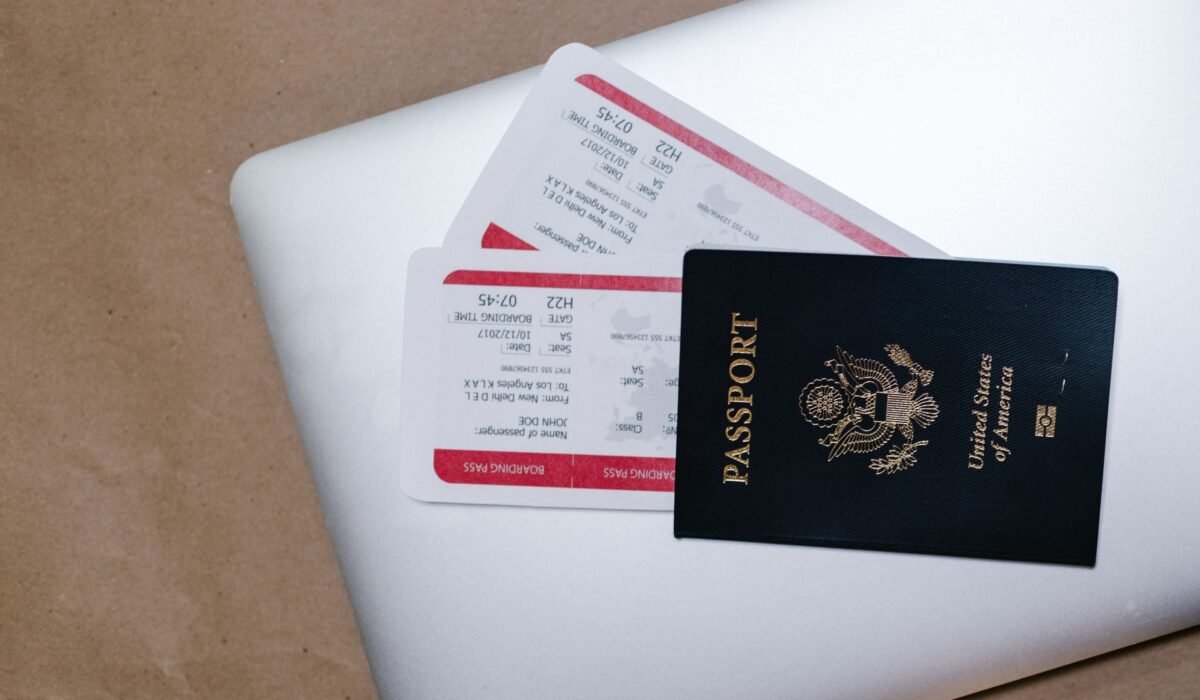
Navigating the world of air travel often brings up confusing terminology, and few phrases cause more head-scratching than understanding the distinction between an Airline Reservation vs Flight Booking. Many travelers use these terms interchangeably, but doing so can lead to unexpected issues, especially when planning international trips or managing flight changes. As your dedicated Travel Support Team, we’re here to clearly define these differences, explain why they matter, and equip you with the knowledge to travel smarter and more confidently.
Speak With A Flight Reservation Specialist
Need help with flight reservations, flight changes, cancellations, refund requests, missed flights, or last-minute bookings? Speak with a flight reservation specialist now.
- Flight Reservations
- Flight Changes
- Flight Cancellations
- Refund Assistance
- Last-Minute Bookings
- Travel Support
What is an Airline Reservation?
An airline reservation is essentially a temporary hold on a seat for a specific flight on a specific date and time. Think of it like reserving a table at a restaurant; you’ve secured your spot, but you haven’t necessarily paid for the meal yet. This hold is recorded in the airline’s system, often through a Global Distribution System (GDS) like Amadeus, Sabre, or Travelport, which manages airline inventory.
The primary purpose of an airline reservation is to secure a fare and a seat without immediate payment. It generates a unique booking reference, often called a PNR number (Passenger Name Record), which serves as your identifier. This temporary status allows you to finalize travel plans, verify details, or meet specific requirements like those for a visa application, before committing financially.
What most people miss is that while a reservation confirms your intention to travel, it doesn’t guarantee your seat or the price indefinitely. Airlines typically place a time limit on these holds, after which the reservation will automatically expire if payment isn’t received. This system helps airlines manage their inventory efficiently, ensuring seats aren’t held indefinitely without commitment.
What is a Flight Booking?
In contrast, a flight booking signifies a confirmed purchase of an airline ticket. When you book a flight, you have completed the payment process, and the airline has issued an electronic ticket (e-ticket) in your name. This transition from a temporary hold to a confirmed transaction is crucial for your travel itinerary.
A confirmed booking means your seat is secured, and the fare is locked in. You receive a flight ticket, which includes your PNR number, ticket number, flight details, and payment verification. This is the stage where you move from merely expressing interest to actually owning a seat on the aircraft, ready for travel.
The flight booking process involves the airline receiving and processing your payment, converting the reservation into a ticketing record. This is the final step where the airline commits to transporting you, and you commit to paying for the service. Without a confirmed booking, you do not have a guaranteed seat on the plane, regardless of any prior reservation.
Speak With A Flight Reservation Specialist
Need help with flight reservations, flight changes, cancellations, refund requests, missed flights, or last-minute bookings? Speak with a flight reservation specialist now.
- Flight Reservations
- Flight Changes
- Flight Cancellations
- Refund Assistance
- Last-Minute Bookings
- Travel Support
Airline Reservation vs Flight Booking: Key Differences Explained
Understanding the core distinctions between an Airline Reservation vs Flight Booking is paramount for any traveler. These differences impact everything from your financial commitment to your ability to actually board a plane.
Payment and Confirmation Status
- Airline Reservation: This is a pre-payment stage. You have a hold on a seat, but no money has exchanged hands, or only a minimal deposit may have been made. It’s a temporary status.
- Flight Booking: This is the post-payment stage. Your payment has been processed, and you have a confirmed flight ticket. This is a permanent and binding transaction, subject to the airline’s cancellation policy.
Documentation and Validity
- Airline Reservation: You receive a booking reference (PNR number) and a provisional travel itinerary. This document is typically not a valid travel document on its own for boarding a flight.
- Flight Booking: You receive a confirmed e-ticket with a unique ticket number, which is your official travel document. This e-ticket is what you present at check-in and security.
Flexibility and Commitment
- Airline Reservation: Offers greater flexibility as there’s no financial commitment yet. You can often let it expire without penalty, though some agencies might charge a small fee for creating a reservation.
- Flight Booking: Represents a firm commitment. Changes or cancellations after booking usually incur fees or may result in forfeiture of funds, depending on the fare rules and refund eligibility.
Is a Flight Reservation the Same as a Confirmed Ticket?
The short answer is no, a flight reservation is not the same as a confirmed ticket. This is a common misconception that can cause significant problems for travelers, especially when dealing with strict deadlines or travel requirements. A flight reservation is merely a placeholder, while a confirmed flight ticket is the actual proof of purchase and your right to travel.
When you have a reservation, the airline’s system holds a seat for you, but until payment verification is complete and a ticket is issued, that seat is not definitively yours. A confirmed ticket, on the other hand, means the transaction is complete, you have a ticket number, and your seat is secured. For instance, if you’re asked for proof of onward travel, an embassy will almost always require a confirmed booking, not just a reservation, because it signifies a true commitment to travel.
In practice, the distinction means that if you only have a reservation, the airline can cancel it without notice if the payment deadline passes, and you would have no recourse. With a confirmed booking, your rights are protected by the airline’s contract of carriage and consumer protection laws, making it a far more secure position.
Do You Need to Pay for a Flight Reservation? (And How Long Does it Last?)
Typically, you do not need to pay for an initial flight reservation in the same way you pay for a flight booking. Many airlines and online travel agencies (OTAs) offer a “hold” option that allows you to reserve a flight ticket at a specific price for a limited time without immediate payment. This can be incredibly useful for planning, especially when coordinating with others or waiting for final approvals.
Payment for Reservations
While the initial hold is often free, some airlines or third-party services might offer longer hold periods for a small fee. This fee guarantees the fare for an extended duration, providing more flexibility than a standard free hold. For example, you might pay $10-$20 to hold a flight for 72 hours, which is much longer than the usual 24-hour free cancellation window offered by many U.S. carriers, as per Department of Transportation (DOT) regulations.
Duration of a Flight Reservation
The length of time a flight reservation lasts can vary significantly:
- Airline-Specific Policy: Most airlines offer a free hold for 24 hours, often tied to U.S. DOT rules allowing cancellation without penalty within 24 hours of booking, provided the booking is made at least seven days before departure.
- Fare Rules: Certain fare classes, especially flexible or premium fares, might allow for longer hold periods.
- Booking Channel: If you use an online travel agency (OTA) like Expedia or Priceline, their hold policies might differ from booking directly with the airline. Some OTAs might not offer a free hold at all, requiring immediate payment for a confirmed booking.
- Proximity to Departure: Reservations made very close to the departure date (e.g., within 72 hours) often have much shorter hold times, sometimes just a few hours, or may require immediate ticketing.
Always check the specific terms and conditions when making a reservation to understand the exact payment requirements and expiration time. Letting a reservation expire without ticketing means you lose the held fare and seat, and you’ll need to start the flight booking process again, potentially at a higher price.
Speak With A Flight Reservation Specialist
Need help with flight reservations, flight changes, cancellations, refund requests, missed flights, or last-minute bookings? Speak with a flight reservation specialist now.
- Flight Reservations
- Flight Changes
- Flight Cancellations
- Refund Assistance
- Last-Minute Bookings
- Travel Support
Flight Reservations for Visa Applications: Essential Tips
One of the most common reasons travelers seek to understand the difference between a flight reservation and a confirmed flight booking is for visa applications. Many embassies and consulates require proof of onward or return travel as part of the visa application process. This is where the term “flight reservation for visa” becomes critical.
While some embassies might accept a flight reservation (a temporary hold) as proof, many prefer or even explicitly require a confirmed flight booking. The rationale is that a confirmed booking demonstrates a genuine intention and financial capability to travel, whereas a reservation can simply expire. In my experience assisting travelers, it’s always safer to provide the strongest possible evidence.
Here are essential tips for managing flight reservations for visa applications:
- Check Specific Embassy Requirements: Always consult the official website of the embassy or consulate you are applying to. They will usually specify whether a “flight itinerary,” “flight reservation,” or “confirmed flight ticket” is required.
- Consider a “Dummy Ticket” Service: Some services offer flight reservations specifically designed for visa applications. These are typically paid services that provide a valid PNR for a short period (often 24-72 hours) without requiring full payment for the ticket. This allows you to submit proof without the financial risk of a full booking.
- Utilize Free Hold Options: If your chosen airline or OTA offers a free 24-hour hold, you can use this to generate a reservation with a PNR. Submit this quickly, but be aware it will expire. This option is less reliable for embassies that take longer to process applications.
- Purchase a Refundable Ticket: For ultimate peace of mind, consider purchasing a fully refundable flight ticket. This acts as a confirmed booking, fulfilling all requirements, and you can cancel it for a full refund if your visa is denied or plans change. This is often more expensive but eliminates risk.
- Do Not Buy a Non-Refundable Ticket Prematurely: Never purchase a non-refundable flight ticket before your visa is approved. If your visa is denied, you could lose a significant amount of money, as airlines may not offer refunds due to visa issues.
For more detailed guidance, you might find our article on International Flight Visa Requirements: Your Guide particularly helpful.
PNR Number: Your Key to Managing Reservations and Bookings
The PNR number, or Passenger Name Record, is a critical piece of information for managing your travel, whether you have an airline reservation or a confirmed flight booking. This unique alphanumeric code, typically 6 characters long, is generated the moment your travel itinerary is created within an airline’s or Global Distribution System’s (GDS) computer system.
Your PNR number acts as your personal identifier for your specific travel segment. It links to a database record containing all essential details about your journey, including your name, contact information, flight details (airline, flight number, dates, times), and any special requests (like meal preferences or seat assignments). It’s the digital key that unlocks your travel information.
You’ll use your PNR number for various tasks:
- Checking Flight Status: Easily track delays or cancellations.
- Online Check-in: Access your booking to check in before your flight.
- Managing Your Booking: Make seat selections, add baggage, or update contact information.
- Verifying Details: Confirm your travel itinerary and ensure all information is correct.
- Communicating with Airlines/OTAs: Provide this number when seeking assistance for flight changes or other support.
Even with just a temporary airline reservation, you will receive a PNR. However, only when that reservation converts to a confirmed flight booking will the PNR be associated with an issued flight ticket number, signifying a complete transaction. Always keep your PNR number safe and accessible.
How Booking Channels (Airlines vs. OTAs) Impact Reservations and Changes
The channel through which you make your travel arrangements significantly influences the nuances of an Airline Reservation vs Flight Booking, particularly when it comes to flexibility, payment verification, and handling changes. In 2023, 51% of travelers booked with Online Travel Agencies (OTAs), compared to 37% who booked directly with airlines, highlighting the prevalence of these different channels.
Booking Directly with Airlines
When you book directly with an airline, you’re dealing with the primary source of the inventory. This often means:
- Clearer Reservation Policies: Airlines usually have straightforward policies regarding free holds (often 24 hours) and payment deadlines for reservations.
- Direct Customer Service: Any flight changes, cancellations, or refund eligibility issues are handled directly by the airline, often leading to quicker resolution.
- Access to All Fares and Perks: You typically have access to all fare classes, including basic economy, as well as loyalty program benefits and direct communication for operational updates.
- Payment Verification: Payment is processed immediately by the airline, leading to an instant confirmed booking once successful.
Booking Through Online Travel Agencies (OTAs)
Online Travel Agencies (OTAs) like Expedia, Booking.com, or Kayak act as intermediaries. While they offer convenience and comparison shopping, their processes can differ:
- Limited Reservation Holds: Many OTAs require immediate payment to secure a flight ticket, meaning the concept of a “reservation” without payment is less common or non-existent. They often operate on a “book now, pay now” model to secure their inventory from the GDS.
- Intermediary for Changes: If you need to make flight changes or request a refund, you often have to go through the OTA, which then communicates with the airline. This can add a layer of complexity and delay.
- OTA-Specific Policies: OTAs have their own cancellation policy and service fees, which may be different from the airline’s. Always read the fine print before booking.
- Payment Verification Delays: Sometimes, an OTA might confirm your “booking” to you, but the actual payment verification with the airline’s GDS could take a few hours, or even a day, potentially leading to issues if fares change during this window.
Our advice: for simple itineraries and direct support, booking directly with the airline is often preferred. For complex multi-leg journeys or price comparison, OTAs can be useful, but be aware of their role as an intermediary when issues arise. For more tips on finding cheaper airfare, check out our guide on Best Flight Booking Hacks 2024.
Speak With A Flight Reservation Specialist
Need help with flight reservations, flight changes, cancellations, refund requests, missed flights, or last-minute bookings? Speak with a flight reservation specialist now.
- Flight Reservations
- Flight Changes
- Flight Cancellations
- Refund Assistance
- Last-Minute Bookings
- Travel Support
Navigating Flight Changes, Cancellations, and Refunds with Reservations vs. Bookings
The distinction between an airline reservation and a confirmed flight booking becomes starkly clear when you need to make changes, cancel your travel, or seek a refund. This is where your financial commitment and legal rights truly come into play.
Flight Reservations and Flexibility
With an airline reservation, your flexibility is at its maximum because you haven’t yet paid for the flight ticket. If your plans change before the reservation expires:
- No Financial Loss: You can simply let the reservation expire, and you won’t lose any money.
- Easy Changes: If you want to change dates or times, you can just abandon the current reservation and create a new one, subject to new fare availability.
- No Refund Process: Since no payment was made, there’s no refund to process.
This “no-strings-attached” nature is why reservations are so useful for initial planning, but remember their temporary status.
Flight Bookings and Financial Implications
Once you have a confirmed flight booking, the situation changes dramatically. Your ability to make flight changes, cancellations, or receive a refund is governed by the fare rules of your specific ticket and the airline’s cancellation policy. According to the U.S. Department of Transportation, while the 24-hour rule provides a window for free changes, beyond that, things get complex.
Here’s what you need to know about confirmed bookings:
- Change Fees: Most non-refundable economy tickets incur a change fee if you modify your flight details. These fees can sometimes be substantial, potentially outweighing the cost savings of the original ticket.
- Cancellation Policy: If you cancel a non-refundable ticket, you typically forfeit the ticket value. Some airlines might issue a future travel credit, minus a cancellation fee. Fully refundable tickets, while more expensive, allow cancellations for a full refund.
- Refund Eligibility: Eligibility for a refund depends heavily on the fare type purchased. Basic economy fares often offer no refunds or changes. Airline-initiated cancellations (e.g., due to operational issues) generally entitle you to a full refund, regardless of your fare type.
- Travel Insurance: This is where travel insurance buying guide becomes invaluable. If you have insurance, it might cover non-refundable costs for covered reasons (e.g., medical emergencies, unforeseen events), providing a safety net for your confirmed booking.
Always review the fare rules before completing your flight booking. A clear understanding of the difference between an Airline Reservation vs Flight Booking empowers you to choose the right option for your travel needs, balancing flexibility with financial commitment. For assistance with confirming your booking, our guide on How to Confirm Your Flight Booking offers practical steps.
Frequently Asked Questions
What is the difference between airline reservation and flight booking?
An airline reservation is a temporary hold on a seat without immediate payment, serving as a provisional booking. A flight booking, conversely, is a confirmed purchase where payment has been processed and an electronic ticket has been issued, guaranteeing your seat and fare.
Is a flight reservation the same as a ticket?
No, a flight reservation is not the same as a ticket. A reservation is a temporary placeholder that may expire, while a ticket is a confirmed, paid-for document (e-ticket) that officially secures your seat and allows you to travel.
Can I get a flight reservation without buying a ticket for a visa?
Yes, it is possible to get a flight reservation without buying a full ticket for a visa application. Many travelers use services that provide temporary flight itineraries or utilize free airline hold options for a short period to fulfill visa requirements without immediate financial commitment.
How long does a flight reservation last?
The duration of a flight reservation varies, typically lasting from 24 hours to a few days. This depends on the airline’s policy, the proximity of the flight departure date, and whether you’ve paid a small fee to extend the hold. Always check the specific terms when making a reservation.
Speak With A Flight Reservation Specialist
Need help with flight reservations, flight changes, cancellations, refund requests, missed flights, or last-minute bookings? Speak with a flight reservation specialist now.
- Flight Reservations
- Flight Changes
- Flight Cancellations
- Refund Assistance
- Last-Minute Bookings
- Travel Support
Understanding the nuances of an Airline Reservation vs Flight Booking is more than just knowing definitions; it’s about making informed travel decisions that protect your finances and ensure a smooth journey. From securing a provisional itinerary for a visa application to confidently navigating flight changes and refunds, distinguishing between these two terms is essential. We, the Travel Support Team, are committed to providing you with the clarity and assistance you need for all your travel planning, because your peace of mind is our priority.
Speak With A Flight Reservation Specialist
Need help with flight reservations, flight changes, cancellations, refund requests, missed flights, or last-minute bookings? Speak with a flight reservation specialist now.
- Flight Reservations
- Flight Changes
- Flight Cancellations
- Refund Assistance
- Last-Minute Bookings
- Travel Support