
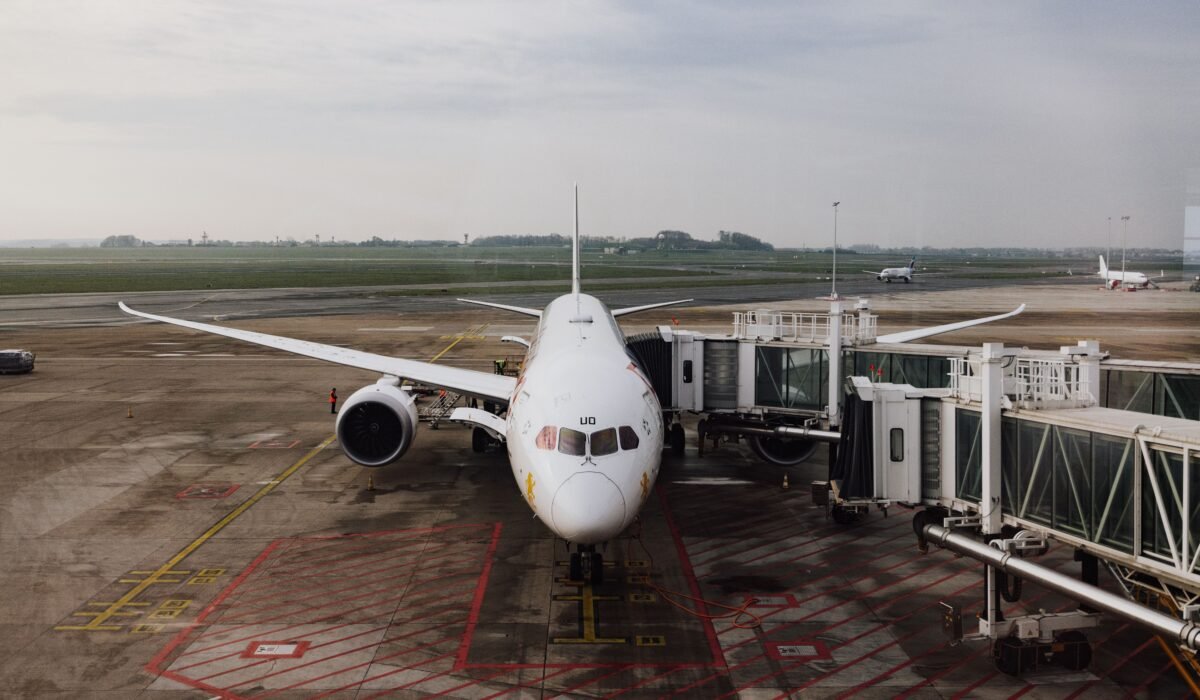
Navigating the complexities of air travel can be challenging, especially when faced with unexpected disruptions. One such frustrating event is airline overbooking, and understanding your rights to Airline Overbooking Compensation USA is crucial for any traveler. This comprehensive guide, brought to you by the Travel Support Team, will empower you with the knowledge to protect your interests and claim what you’re owed when an airline oversells a flight.
Speak With A Flight Reservation Specialist
Need immediate assistance with your flight plans? Our team is ready to help!
We can assist with:
- Flight Reservations
- Flight Changes
- Flight Cancellations
- Refund Assistance
- Last-Minute Bookings
- Travel Support
Is Airline Overbooking Legal in the USA?
The short answer is yes, airline overbooking is legal in the USA. It might seem counterintuitive, but airlines routinely sell more tickets than there are seats on a plane. This practice, often referred to as “overselling,” is a calculated strategy to compensate for “no-shows” – passengers who purchase tickets but do not show up for their flight.
As the U.S. Department of Transportation (DOT) clearly states, “Overbooking is not illegal, and most airlines overbook their scheduled flights to a certain extent in order to compensate for ‘no-shows’.” This helps airlines ensure their flights are as full as possible, maximizing revenue and efficiency. Catherine Hodder, Esq., Senior Attorney Editor at FindLaw, explains that “Airlines want to fly at 100% capacity… it is less costly to bump passengers than flying no-shows.”
While legal, strict DOT overbooking rules govern how airlines must handle situations where more passengers check in than there are available seats. These regulations are designed to protect passenger rights overbooking incidents might create, ensuring that if you are denied boarding, you are treated fairly and receive appropriate compensation.
Voluntary vs. Involuntary Denied Boarding: Understanding Your Options
When an airline faces an overbooked flight, they follow a specific protocol mandated by the DOT. The first step is always to ask for volunteers to give up their seats. Understanding the difference between voluntary and involuntary denied boarding is key to navigating these situations effectively.
Voluntary Denied Boarding: A Negotiated Choice
If a flight is oversold, the airline will first seek individuals willing to voluntarily give up their seats in exchange for compensation. This is known as voluntary denied boarding. In our experience, this is often the best scenario if you have flexibility in your travel plans.
Airlines offer various incentives for volunteers, which can include:
- Travel vouchers or credit for future flights
- Cash or gift cards
- Meals and hotel accommodations if an overnight stay is required
- A confirmed seat on a later flight
Charlie Leocha of Travelers United emphasizes that “DOT rules require airlines to seek out people willing to give up their seats for compensation before involuntarily bumping anyone.” This is your opportunity to negotiate for the best possible deal, making sure the compensation truly reflects the inconvenience.
Involuntary Denied Boarding: When You Have No Choice
If not enough volunteers come forward, the airline may then resort to involuntary denied boarding. This means you are “bumped” from your flight against your will, even if you have a confirmed ticket and arrived on time. This is where your rights to airline overbooking compensation USA become particularly important.
Airlines typically have a “priority boarding” list or criteria they follow for involuntary denied boarding, which might include:
- Check-in time (later check-ins are often bumped first)
- Fare class (cheaper tickets may be prioritized for bumping)
- Frequent flyer status (elite members are often protected)
- Passengers with disabilities or unaccompanied minors are usually exempt
If you are involuntarily bumped, the airline is legally obligated to provide you with specific compensation, as outlined by federal regulations. This is not a negotiation; it’s a fixed entitlement based on the length of your delay.
Speak With A Flight Reservation Specialist
Facing a denied boarding situation and need expert advice on your next steps?
Let us help you with:
- Understanding your compensation options
- Rebooking alternative flights
- Navigating airline policies
- Any other travel support
Your Rights and Airline Overbooking Compensation USA
When you’re involuntarily denied boarding, the U.S. Department of Transportation (DOT) has clear regulations regarding your airline overbooking compensation USA. These rules ensure that travelers are not left stranded without recourse. It’s crucial to know these entitlements, as airlines are required to inform you of them.
What the Airline Must Provide
If you are involuntarily bumped from a flight, the airline must do several things:
- Provide a Written Statement: The airline must give you a written statement describing your rights and explaining how it decides who gets bumped. This document should detail the denied boarding compensation limits.
- Offer an Alternative Flight: The airline must try to get you to your destination within a certain timeframe. If they can get you there within one hour of your original arrival time, no compensation is required.
- Cash Compensation: If the alternative flight results in a significant delay, you are entitled to cash compensation, not just vouchers. As Charlie Leocha states, if a passenger is bumped “involuntarily,” they can receive cash compensation, not airline scrip or vouchers.
It’s important to remember that these are the minimum requirements. Some airlines may offer more, but they are not obligated to do so for involuntary denied boarding beyond the DOT mandates. This is a critical aspect of airline passenger rights.
How is Denied Boarding Compensation Calculated?
The amount of flight bump compensation you’re entitled to for involuntary denied boarding is directly tied to the price of your ticket and the length of your delay. The DOT sets specific denied boarding compensation limits based on these factors.
DOT Compensation Tiers for Involuntary Denied Boarding
The compensation amounts for involuntary denied boarding are calculated as follows:
- 0-1 Hour Delay: If the airline arranges for you to arrive at your destination within one hour of your originally scheduled arrival time, no compensation is required.
- 1-4 Hour Delay (Domestic) / 1-4 Hour Delay (International): If the airline gets you to your destination between one and four hours (for domestic flights) or between one and four hours (for international flights) after your original arrival time, you are entitled to 200% of your one-way fare, with a maximum of $775.
- Over 4 Hour Delay (Domestic) / Over 4 Hour Delay (International): If the airline cannot get you to your destination within four hours of your original arrival time, you are entitled to 400% of your one-way fare, with a maximum of $1,550.
These limits are adjusted periodically by the DOT for inflation. It’s vital to know that the compensation is based on your ticket price for the segment you were bumped from, not the entire journey if you have connecting flights. Always keep your boarding pass and ticket receipt handy.
Negotiating for Better Voluntary Compensation: A Traveler’s Playbook
While involuntary denied boarding compensation is fixed, the scenario changes dramatically with voluntary denied boarding rights. When an airline asks for volunteers, you have a golden opportunity to negotiate a better deal than what’s initially offered. This is your chance to maximize your airline overbooking compensation USA.
Key Negotiation Strategies
As the Travel Support Team, we’ve seen travelers secure incredible deals. Here’s a playbook for negotiating effectively:
- Don’t Jump at the First Offer: Airlines often start with a low offer, usually a travel voucher. Wait to see if the offer increases, especially if they are desperate for more volunteers.
- Demand Cash, Not Just Vouchers: Vouchers often come with restrictions (expiration dates, blackout periods, non-transferable). Always ask for cash or a gift card that functions like cash. Remember, for involuntary bumps, cash is mandated, so leverage this.
- Consider the Value of Your Time: Factor in the inconvenience. If you’re missing work, an important event, or connecting flights, your time has a monetary value.
- Ask for Specifics on the Next Flight: Don’t agree until you have a confirmed seat on a new flight. Ask about the departure time, arrival time, and if it’s direct or has connections. Ensure the rebooking doesn’t cause further issues, like missing a cruise or another flight.
- Request Additional Perks: Beyond the compensation, ask for amenities like meal vouchers, hotel accommodation (if overnight), free Wi-Fi on your next flight, or an upgrade to a better seat.
- Get Everything in Writing: Always ensure the agreed-upon compensation and new flight details are provided to you in writing before you give up your seat. This prevents misunderstandings later.
A prime example of successful negotiation was seen with Delta Airlines, which reportedly offered up to $10,000 cash to eight travelers on an overbooked flight from Grand Rapids, Michigan, to Minneapolis, Minnesota, to voluntarily give up their seats. This shows the potential when an airline is truly pressed for volunteers.
Speak With A Flight Reservation Specialist
Need help navigating a complicated compensation offer or rebooking a bumped flight?
Our specialists can provide personalized support for:
- Negotiating better compensation
- Understanding your refund policy rights
- Finding alternative travel arrangements
- Complex travel scenarios
Airline-Specific Policies and What-If Scenarios
While the DOT sets minimum standards for airline overbooking compensation USA, individual airlines often have their own airline contract of carriage that details specific procedures and sometimes offers more generous compensation or unique policies. It’s vital to familiarize yourself with these nuances.
Major US Airline Approaches
Each major US airline handles overbooking slightly differently, though all must adhere to DOT rules:
- Delta Air Lines: Known for sometimes offering higher voluntary compensation, as seen in the $10,000 example. They also had the highest rate of voluntary denied boardings in 2024, indicating a proactive approach to seeking volunteers.
- American Airlines: While having a higher rate of involuntary denied boardings in 2024 and 2025, their contract of carriage will detail their specific bumping hierarchy. Incidents like the June 2026 denied boarding highlight the need for passengers to be aware.
- United Airlines: Following the infamous Dr. David Dao incident in 2017, United significantly revised its denied boarding policies and increased compensation limits to avoid similar public relations disasters.
- Southwest Airlines: Known for its “no change fee” policy, Southwest’s approach to overbooking also emphasizes customer service, though their specific compensation might align closely with DOT minimums unless a severe operational need arises.
- Frontier & Spirit Airlines: These budget carriers tend to have higher rates of involuntary denied boardings. Travelers on these airlines should be particularly vigilant about their passenger rights overbooking situations.
Complex “What-If” Scenarios
Life isn’t always straightforward, and neither are overbooking incidents:
- Connecting Flights: If you’re involuntarily bumped and miss a connecting flight, the airline is generally responsible for rebooking you to your final destination and providing compensation based on the delay to your ultimate arrival. The original compensation limits still apply.
- Traveling with Family/Children: Airlines typically prioritize keeping families together and are less likely to involuntarily bump adults traveling with minors. However, if it happens, ensure the entire family is rebooked together and compensated appropriately.
- Declining Compensation at the Airport: If you initially decline compensation but later realize you were entitled, contact the airline’s customer relations department immediately. While challenging, sometimes they will reconsider, especially if you have clear documentation.
- Claiming “Safety/Security”: Airlines cannot use “safety” or “security” as a blanket excuse to deny boarding without legitimate reason to avoid compensation. If you suspect this, document everything and file a complaint with the DOT.
Proactive Strategies to Minimize Overbooking Risks
While you can’t entirely eliminate the risk of an overbooked flight, there are several proactive steps you can take to significantly minimize your chances of being involuntarily bumped. These strategies are particularly useful for safeguarding your travel plans and understanding your airline passenger rights.
Before You Fly
- Check-In Early: This is perhaps the most critical step. Airlines often use check-in time as a factor in determining who gets bumped. The earlier you check in (online or at the airport), the lower your risk.
- Select a Seat in Advance: Having a confirmed seat assignment, especially one you paid for, can sometimes offer a small layer of protection, though it’s not a guarantee against involuntary denied boarding.
- Fly During Off-Peak Times: Flights during holidays, major events, or peak travel seasons are more likely to be overbooked. If your schedule allows, travel during less busy periods.
- Consider Your Fare Class: While not always a deciding factor, passengers with higher fare classes (e.g., first class, business class, full-fare economy) are sometimes prioritized over those with deeply discounted tickets.
- Attain Elite Status: Frequent flyer elite status often provides a significant buffer. Airlines typically prioritize their most loyal customers and members with higher status when deciding who to bump.
If You Are Asked to Volunteer
- Assess Your Flexibility: Before agreeing, quickly evaluate if delaying your travel fits your schedule. Do you have critical meetings, connections, or events you can’t miss?
- Know Your Worth: Have a mental figure for what fair compensation looks like for your time and inconvenience. Use the DOT’s involuntary compensation limits as a baseline for your negotiation.
By being prepared and understanding how airlines operate, you can either avoid the hassle altogether or turn an inconvenience into a rewarding experience with generous airline denied boarding compensation.
US vs. EU261: International Overbooking Rights
When traveling internationally, especially to or from Europe, your rights regarding overbooked flights can differ significantly from purely domestic US flights. Understanding the differences between US DOT regulations and EU261 explained is crucial for international travelers seeking airline overbooking compensation USA or abroad.
Key Differences Between US DOT and EU261
The European Union’s EC 261/2004 regulation (EU261) offers generally more robust and standardized protections for passengers compared to US DOT rules:
- Scope of Application:
- US DOT: Applies to flights within the US, flights departing the US, and flights arriving in the US operated by US carriers.
- EU261: Applies to flights departing from an EU airport (regardless of airline) and flights arriving at an EU airport from outside the EU (if operated by an EU-licensed carrier).
- Compensation Amounts:
- US DOT: Based on ticket price and delay length, with maximums of $775 or $1,550.
- EU261: Fixed compensation amounts based on flight distance, ranging from €250 to €600, regardless of ticket price. For example, a long-haul flight (over 3,500 km) delayed over 4 hours due to overbooking would typically entitle you to €600.
- Cash vs. Vouchers:
- US DOT: Mandates cash for involuntary denied boarding.
- EU261: Mandates cash compensation. Vouchers are only acceptable if the passenger agrees to them in writing.
- Reasons for Denied Boarding:
- US DOT: Primarily focuses on overbooking.
- EU261: Covers denied boarding due to overbooking, as well as significant delays (3+ hours) and cancellations, unless caused by “extraordinary circumstances” outside the airline’s control.
In practice, this means if you’re flying from, say, Paris to New York on any airline, or from New York to Paris on an EU-licensed carrier, you might be covered by EU261 and potentially eligible for higher fixed compensation for denied boarding than under US rules. Always check which regulations apply to your specific itinerary for international overbooking rights.
Frequently Asked Questions
Is overbooking legal in the US?
Yes, airline overbooking is legal in the United States. Airlines intentionally sell more tickets than available seats to account for “no-show” passengers, aiming to ensure flights operate at full capacity and maximize revenue. However, strict Department of Transportation (DOT) rules govern how airlines must manage overbooked flights and compensate passengers who are denied boarding.
What compensation am I entitled to if I’m bumped from a flight?
If you are involuntarily bumped from a flight in the USA, your compensation depends on the length of your delay. If the airline gets you to your destination within one hour of your original arrival, no compensation is required. For delays of 1-4 hours, you receive 200% of your one-way fare (up to $775), and for delays over 4 hours, you receive 400% of your one-way fare (up to $1,550). This compensation must be paid in cash.
Can an airline refuse to pay denied boarding compensation?
Airlines cannot refuse to pay involuntary denied boarding compensation if you meet the eligibility criteria outlined by the DOT. This includes having a confirmed reservation, checking in on time, and being involuntarily prevented from boarding due to overbooking. However, they may refuse if you were bumped for reasons like safety, security, or not having proper travel documents, which are not considered overbooking.
Can I get cash instead of a travel voucher for overbooked flights?
Yes, for involuntary denied boarding, US DOT regulations require airlines to offer cash compensation, not just travel vouchers. While airlines might initially offer vouchers for voluntary denied boarding, you have the right to negotiate for cash. Always demand cash if you are involuntarily bumped, as it provides more flexibility and doesn’t come with the restrictions often associated with vouchers.
Speak With A Flight Reservation Specialist
Don’t let overbooking ruin your trip. Get expert help with your travel plans!
Our Travel Support Team is here for:
- Flight Reservations
- Flight Changes
- Flight Cancellations
- Refund Assistance
- Last-Minute Bookings
- Travel Support
Understanding your rights is your best defense against the frustrations of airline overbooking. Whether you choose to volunteer your seat or find yourself involuntarily bumped, knowing the rules around Airline Overbooking Compensation USA empowers you to make informed decisions and secure the compensation you deserve. As the Travel Support Team, we encourage all travelers to be proactive, stay informed, and never hesitate to advocate for their rights. Don’t let an overbooked flight derail your journey; turn it into an opportunity.
Speak With A Flight Reservation Specialist
Ready to plan your next trip with confidence, or need help resolving a travel issue?
Let us assist you with all your flight-related needs today!